Lånan – a living World Heritage tradition
The unique tradition of bird guardianship and eiderdown harvesting kept alive on the island community of Lånan is the main reason why the Vega Archipelago was inscribed on UNESCO’s World Heritage List in 2004. In June and July, visitors can travel out to this remote island cluster and experience first-hand the close and carefully balanced relationship between people and eider ducks.
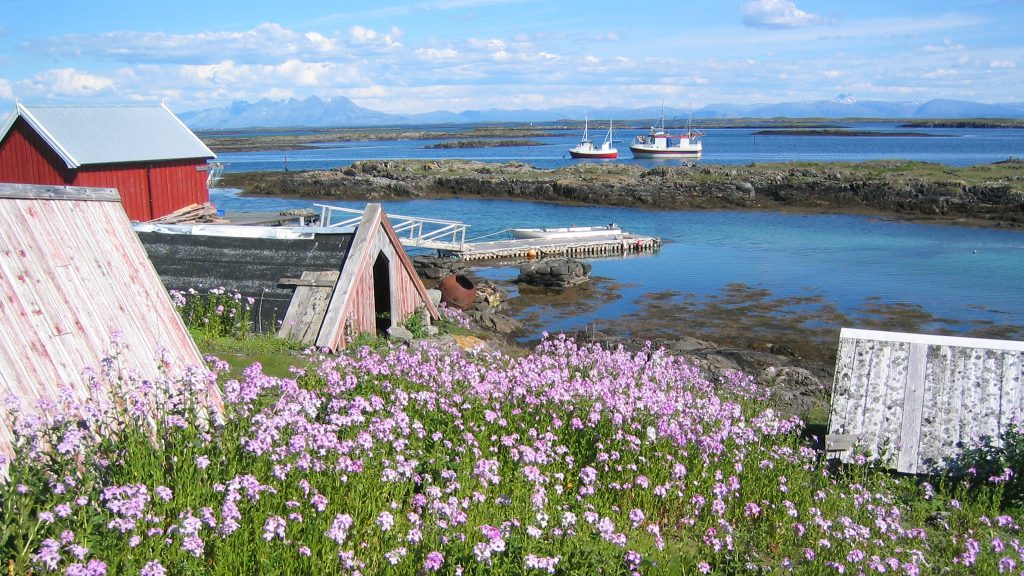
Life on the outer Helgeland coast has always been lived on the edge. Small island communities are scattered across a seascape of low, bare skerries and islands. On calm summer days the surroundings are strikingly beautiful, but in autumn and winter the coast is exposed and unforgiving. For this reason, collecting eiderdown became an important secondary source of income for the fishing farmers who settled here. It was especially valuable because women could carry out the work while the men were away at sea.
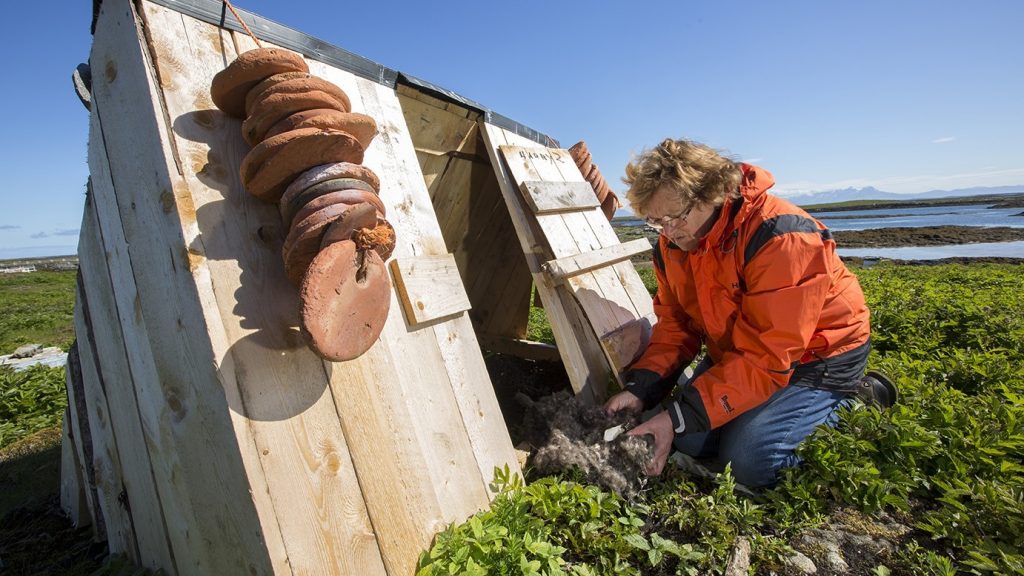
The bird guardians built small shelters for the eider ducks, preparing nesting places lined with cleaned seaweed and protecting the birds from predators such as sea eagles and mink until the ducklings were safely on the water. Left behind in the nests was the precious eiderdown – an exclusive natural material that is still worth almost its weight in gold. The down was carefully cleaned and sold for duvets and pillows for royalty and nobility, providing a vital income along this weather-beaten coast.
This tradition is still very much alive today. On Lånan, visitors can see how the birds are cared for and how the down is collected with great care, respect, and genuine affection for the birds that have found shelter here for centuries.
 Sølvi Kristoffersen
Eider duck safari in June
In June, the eider ducks are nesting and incubating the next generation. This period is known as the protection season, during which all movement on the islands must take place together with a bird guardian. On an Eider Duck Safari, visitors are guided to see where the birds live, and under the safe supervision of the guardians, experience a rare and gentle close encounter with the nesting birds.
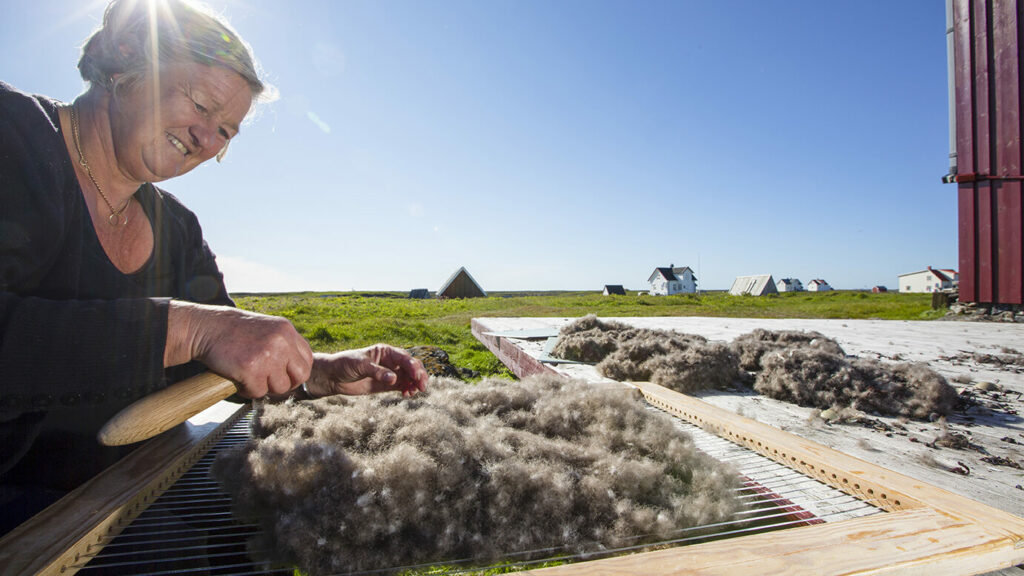
Guests will be able to feel genuine eiderdown and learn about the time-consuming process of cleaning it to the high standard required for the world’s finest eiderdown duvets. At the exhibition in the barn, and over coffee in the home of one of the bird guardians, stories are shared about life on Lånan in the past and present.
This is a unique and exclusive experience, offering the closest possible insight into a living World Heritage tradition.
In 2026, Lånan can be visited every Sunday in June, with boat transport to and from Vega.
Read more and book the Eider Duck Safari here
Visiting Lånan in July
When most of the eider ducks leave their nests around 1 July, Lånan opens for guided visits where guests can move more freely around the island. The bird guardians are then fully occupied with collecting and cleaning the season’s down, and on fair-weather days this work can be seen taking place outdoors in the summer sun.
Between tasks, the guardians are happy to spend time with visitors and often invite them on a gentle walk through the eider ducks’ domain. Guests will see the e-houses (the small shelters where the ducks nest) and learn how the birds are cared for, and how the down is collected and cleaned so it can be used in the finest duvets.
 Cyril Ruoso
Visitors will also hear stories from life on Lånan – about growing up on this remote island “out at sea”, about boarding school life on Skogsholmen, and about how Lånan was affected by the Second World War. The stories are many, and the bird guardians look forward to sharing them.
The visit always ends with coffee and krinalefse served in the barn, where guests can also see the photo exhibition documenting life here, past and present.
This is a rare opportunity to experience a small, living island community where history has partly stood still, yet continues to be carefully preserved with respect for nature, animals, and the people who have built their lives here.
Contact
Phone: +47 452 72 654
E-mail: hildegunn@lanan.no
Hjemmeside: lanan.no/
Facebook: Utvaeret.Lanan
Instagram: @utvaeretlanan
Get directions:
Open Google Maps
Address
Utværet Lånan
The island community of Lånan lies far out towards the open sea, between Vega and Herøy, on the southern Helgeland coast.
Lånan can be reached by private boat or by scheduled boat transport from Vega.
Read more about boat transport at lanan.no
See Lånan on Google Maps
Read more about Vega and how to get there
If you visit Lånan in June and want to join the locals as a bird warden, you can stay overnight on the island.
Thank you for respecting the local communities, and for helping us preserve the natural beauty of Helgeland!
Please:
- Strive to leave no trace of your visit. Bring back all your rubbish, including used toilet paper, and discard it in the nearest rubbish bin.
- Plan your toilet visits and use the opportunity when you pass a toilet. In the wilderness, make sure you are not a nuisance to others.
- Respect the local wildlife. Keep a good distance from wildlife, livestock and birds. Keep your dog leashed.
- Respect private property. Keep a respectful distance from houses and cabins.
- Show good boating sense. Keep a good distance from shore and drive at a low speed, especially when you are close to anyone or anything on the water, including birds or animals. Avoid loud and disturbing engine noise. Be aware that some islands and nature reserves are important nesting sites, and that going ashore is prohibited during the nesting season.
- Follow the Norwegian Mountain Code (Fjellvettreglene). Plan your excursion according to the weather forecast, your skills and experience.
- Join a guided excursion or consider hiring an experienced guide, especially when you don’t have sufficient experience or knowledge to guarantee a safe trip.
Explore the area
The Sauna House at Selsøyvik
Stay right by the sea at beautiful Selsøyvik in modern, architect-designed studio apartments with a private swimming jetty and sauna. Enjoy long days in peaceful surroundings close to nature, just a short walk from one of Northern Norway’s oldest trading posts.
Bogen Feriehus
Bogen Feriehus is beautifully situated by the fjord in Bindal and offers comfortable accommodation in scenic surroundings. Here you can stay in fully equipped apartments or a spacious cabin, with easy access to the sea, fishing, and hiking opportunities.
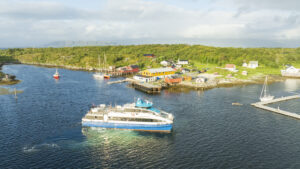
RIB Adventure to Himmelblå from Brønnøysund
Feel the thrill of the open sea, discover hidden gems, and get close to incredible wildlife on one of our RIB adventures to Himmelblå and Ylvingen.

Brasserie 8622
In the heart of Mo i Rana, Brasserie 8622 offers a dining experience where French elegance meets the raw beauty of Northern Norway. Here, dishes are crafted with a strong sense of seasonality, transforming locally sourced ingredients from Helgeland into refined creations with an international touch.
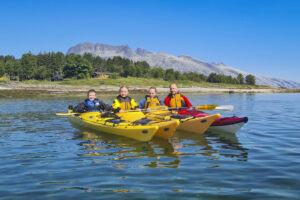
Kayaking Around Sandnessjøen and Herøy – Courses and Guided Tours
Explore stunning nature and vibrant coastal culture with Tømmervika Opplevelsessenter around Sandnessjøen, Tjøtta, and Offersøya. Join family-friendly day trips or exciting multi-day tours in Herøy and the Vega islands—and wrap it up with a fun game of football golf.
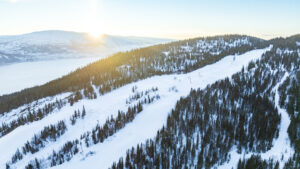
Skillevollen Alpine Center
Skillevollen Alpine Center is part of a larger winter activity center in Mo i Rana. Take the family skiing on the alpine slopes, the cross-country trail or on the ice rink in winter.
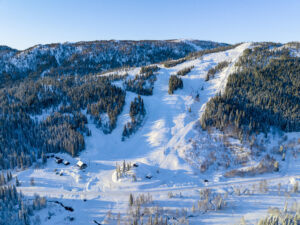
Kjemsåsen ski resort
With slopes catering to all levels, Kjemsåsen Alpine Center is the perfect destination for families looking for a fun and adventurous ski experience. Whether you’re a beginner, a seasoned skier, or a future alpinist, Kjemsåsen has something for everyone. Let the kids learn on the gentle children’s slope, while older beginners enjoy the rolling green run and the seasoned skiers test their skills on the challenging red and black run.


Hunting the Northern Lights at Støtt
Do you yearn for a truly magical winter adventure, and a respite from the hustle and bustle of everyday life? Between September and May, Støtt invites you to see the amazing celestial display of the Northern Lights! In addition, you will surely appreciate the subtle winter colours of our beautiful island realm.
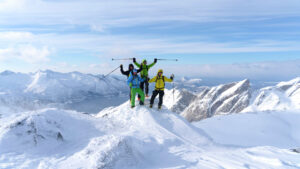
A weekend of high adventure on the lofty peaks!
The picturesque Meløy Alps offers some of the wildest off-piste skiing in Northern Norway!
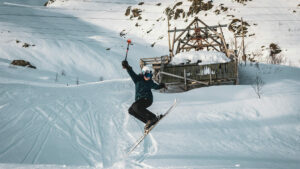
Glomfjord Alpine Centre – pure ski joy in the Meløy Alps
Glomfjord Alpine Centre offers a chairlift, varied slopes, and breathtaking views of the fjord and surrounding glaciers. This is a winter paradise for experienced skiers and freeride enthusiasts, surrounded by snow-covered peaks and a local team with a true passion for the mountains.
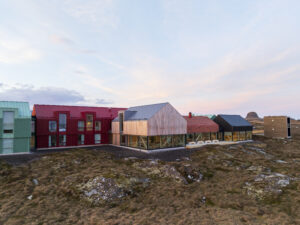
Ytri Island Retreat – more than just a hotel
Ytri Island Retreat in Træna is an exclusive coastal resort offering 38 rooms and suites, a bar, seafood restaurant, meeting rooms, saunas, an outdoor wellness area, boathouse, guest harbor, and a sandy beach.
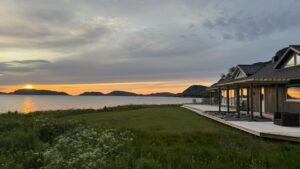
Grannen Lodge – a modern retreat by the Bindal Fjord
By the tranquil Bindal Fjord, surrounded by mountains and sea, lies a modern holiday home that offers both serenity and raw coastal nature. Here you can stay in comfort with panoramic views of the surrounding landscape – and with direct access to the sea right outside your door.
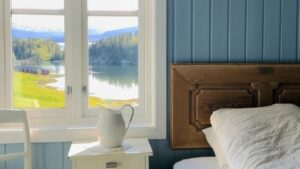
I Ro og Mak at Straumen Farm
Heartwarming stay and accommodation in the cozy Grandma’s Cabin. Find peace close to nature and the simple life in the countryside.
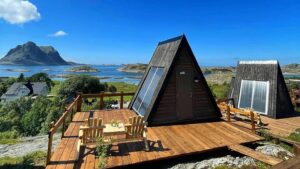
Base Camp Vega – kayaking, climbing and accommodation
At Base Camp Vega you can stay in mini-cabins whose unique design is inspired by the little huts the islanders build for the thousands of eider ducks that nest in the Vega archipelago every year. We also offer good spots where you can pitch your tent. Base Camp Vega is situated right by the Vega Stairs and the Ravnfloget Via Ferrata, and the sheltered waters nearby are perfect for kayaking.
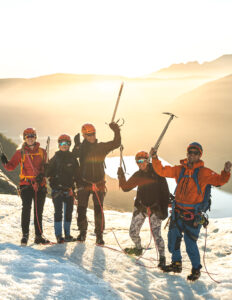
A glacier trek on Svartisen with Meløy Adventure
Join us for an exotic adventure: a guided glacier trek on Engabreen. The experienced guides from Meløy Adventure will ensure that this is a safe and unforgettable adventure.
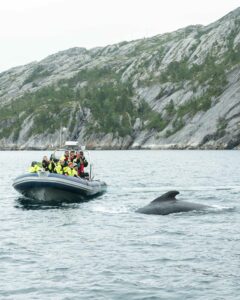
RIB sea rafting trips with Meløy Adventure
You are invited to join Meløy Adventure on a RIB sea-rafting adventure to the island of Rødøya and Rødøyløva (443 m). Other great option is Sea eagle safari along the coast i Meløy. These excursions start from Ørnes in Meløy municipality – but for your convenience you can request to be picked up elsewhere en route.
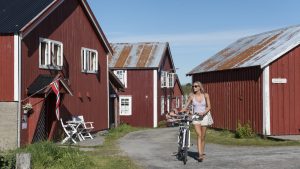
Bike rental in Brønnøysund
Situated in the centre of Brønnøysund, the Tourist Information office offers bicycle rental, as well as all the equipment you need for short bike rides or long cycling adventures.
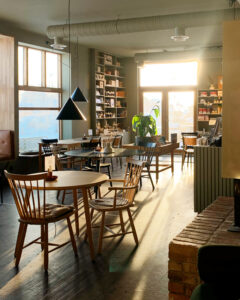
Skolo – an architectural gem in Herøy
The beautiful renovation of Seløy’s old school has been described in an article in “The Norwegian Review of Architecture”. Today, travellers can find accommodation here, drink quality coffee, eat pizza, browse books and buy artworks in the shop – and enjoy the panoramic view of The Seven Sisters mountains
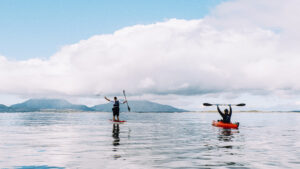
Kayaking the waters around Ylvingen
Based on the island of Ylvingen, Himmelblå Brygge offers introductory and more advanced kayaking courses, kayak rentals, and guided kayaking trips on the nearby waters. Their beautiful island is situated just south of Vega.
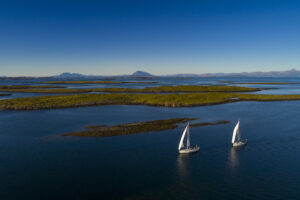
Sailing trips to Vega, Lånan and Torghatten
You are invited on an unforgettable sailing trip to the UNESCO World Heritage Area of the islands of Vega and the eider duck nesting site, Lånan, that for many generations has been protected by the islanders. Or choose a voyage to the legendary mountain with a hole through it, Torghatten.
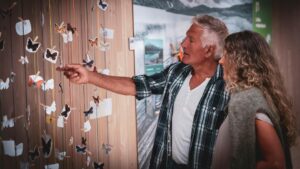
Nordland National Park Centre – fine art and natural history
There is much to learn about the amazing wilderness and national parks of Nordland County – and the exhibitions at the Nordland National Park Centre aim to inspire this and much more. The centre offers something for the whole family, with exciting activities for young and old, such as walking the trails in the beautiful surroundings.
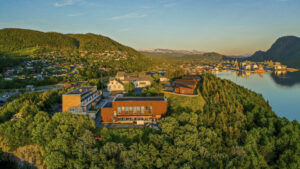
Toppen Panorama Mosjøen – in tranquil surroundings
Toppen Panorama, a hotel in Mosjøen that is open during the summer, offers a panoramic view of both this coastal town and the nearby fjord. Guests here enjoy tranquillity and scenic surroundings, and yet are only a few minutes’ drive away from the centre of Mosjøen
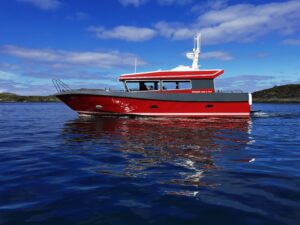
Tailored boat trips with Sea Adventure Helgeland
How would you like a cruise along the Helgeland coast, designed to show you and your friends the very best the scenic region has to offer? Or how about a shuttle boat that quickly takes you where you want, exactly when you want? Sea Adventure Helgeland offers you boat trips tailored to your needs and wishes.
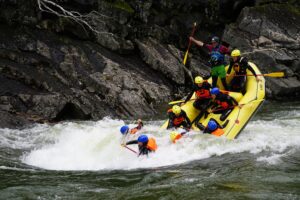
An exciting half or full-day rafting adventure at Trofors with RiverNorth
RiverNorth’s most popular excursion is the Half-Day Rafting Adventure. You get to challenge big waves – and see if you’re brave enough to dive from a cliff! You can also join a full-day rafting trip.
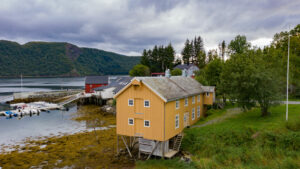
Bergh-brygga and Gammelskolen in Leirfjord
Leirfjord Museum is located in the old Bergh-brygga at Leland. Also, make sure to visit the beautiful Gammelskolen, which was in operation until the mid-1950s. Welcome to a journey through time!
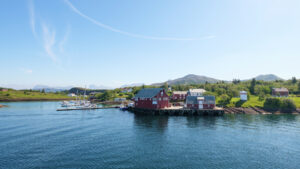
Selsøyvik Trading Post in Rødøy
Selsøyvik Trading Post is one of Helgeland’s oldest and most esteemed accommodation options. The island of Selsøyvik is beautifully situated along the shipping lane, surrounded by Rødøyløva, Hestmannen, and Svartisen. Here you will find accommodation, a large and beautiful guest harbor, a general store, and a café.
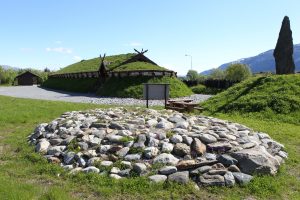
Visit the recreated Viking chiefdom seat in Sandnessjøen
You are invited to an authentic Viking experience! Bring your family or friends and see the clothes and customs, partake in activities, and enjoy a Viking banquet.
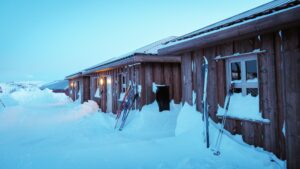
Korgfjellet Lodge
Come and stay right in the heart of a beautiful mountain area, in the heart of Helgeland. From Korgfjellet Lodge, you have a beautiful hiking area right outside your cabin door, both in summer and winter. Perfect for those who want to go hiking or skiing, fish in mountain lakes, hunt, or pick berries.
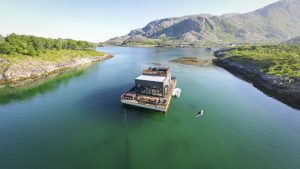
Helgeland Havhus – exclusive sea house
Many places can offer you seaside accommodation – Helgeland Havhus actually offers you a holiday home right on the sea! Treat yourself to a very special holiday, where the salty fragrance of the sea, and the sound of waves and seabirds are natural ingredients.
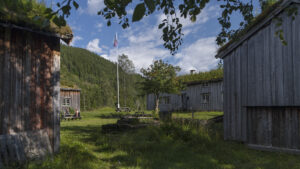
Velfjord Museum
The Brønnøy and Velfjord districts share an ancient history of fishing and farming, as well as a proud indigenous Sámi culture. You can gain many cultural insights by visiting the exhibitions in the old supermarket at Minnetun, as well as in the goahti (reconstructed turf hut) near here.
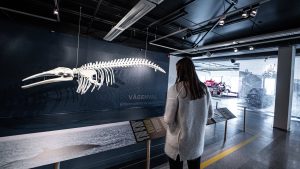
Rana Museum, Stenneset open-air Museum and Bredek Mountain Farm
Rana municipality has a fascinating and varied history, which the exhibitions at MOment, the new museum in Mo i Rana’s town centre, reveals in the form of a multi-sensory experience.In addition, at Stenneset’s open-air museum, you can stroll amongst 20 historic buildings, while the mountain farm at Brenek is a popular hiking destination.

Winter dream at Støtt
Do you dream of going from the hustle of the big city to “winter world” where the polar lights and the northern lights create magic? Visit the island Støtt and be close to nature, culture and history.
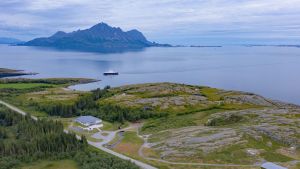
Grønsvik coastal fortress, Lurøy
If you want to see an unusual attraction and gain insights into World War II history, we recommend a visit to the old German coastal fortress at Grønsvik, which is now a museum. As you walk from the attractive parking lot and picnic area, you enter a dark chapter of European history.
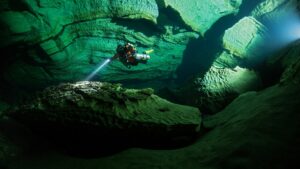
Plura Valley in Rana – A divers paradise!
Many experienced divers consider Plura Valley to offer world-class diving. Their facility offers everything you need for a perfect diving holiday. Moreover, they are situated right by the entrance of the underwater cave, Pluragrotta.
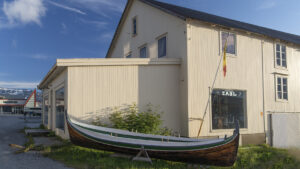
The Zahl building and the old sexton´s residence in Nesna
The main facility of the Nesna Museum is the building that once housed the business of the local Zahl family. This large and stately commercial building, which dates from 1907 and has Swiss-style decorations, has been expanded both in width and towards the rear. Nesna is amongst other things known for “Nesnalobben”, and an exhibition in the museum is dedicated to this footwear.
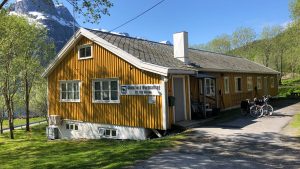
Accommodation at Glomfjord Overnatting
Meløy is a beautiful area for a wide range of holiday activities, year round. With a comfortable base at Glomfjord Overnatting, you have easy access to adventures on the sea and in the mountains.
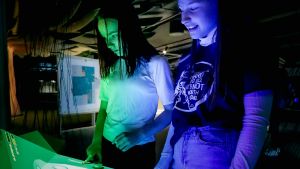
Vitensenter Nordland – A science center for the whole family
At Mo i Rana’s science centre, Vitensenter Nordland, you can experiment, explore, and learn about the natural world, technology and mathematics. The interactive exhibition encourages you to touch and be active, not just to see. And the centre offers activities for the whole family.
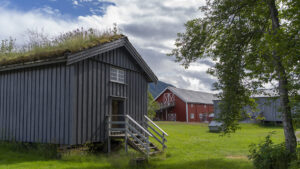
Hemnes open-air museum
Hemnes Bygdetun consists of a beautifully situated farm that can be just glimpsed from highway E6. The farm has a 500 year history, so its buildings and collections offer many insights into how our ancestors, both rich and poor, lived.
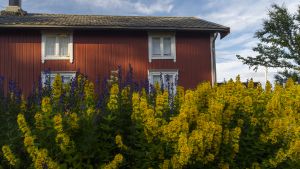
Træna museum
Træna Museum documents the this archipelago’s history going back to the Stone Age. Some of the archaeological discoveries displayed date back at least 9000 years. For this reason, Træna can rightfully call itself “the oldest fishing community in Norway”.
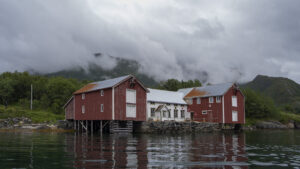
Falch Old Trading Post, Rødøy
Falch Old Trading is beautifully situated on the Tjongsfjord, and it’s just a short detour from the Coastal Highway, Fv17. This trading post has provided many functions through the years: a fish plant, cod liver oil production, fishnet production, country store, doctor’s offices and pharmacy.
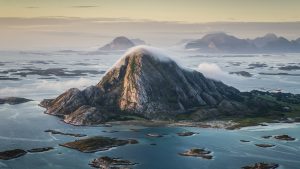
Bolga Brygge – Sleep to the soothing sound of waves
Bolga Brygge offers comfortable accommodation and good dining. Guest can enjoy fishing, kayaking the sheltered waters nearby, and hiking up a mountain that offers an amazing panorama of a large section of Helgeland.
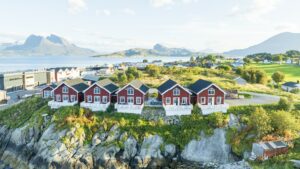
Kvarøy Sjøhus – A holiday stay in rorbu cabin
When you choose a holiday stay in a modern rorbu cabin at Kvarøy Sjøhus, you have the most beautiful destination on the Helgeland coast within easy reach. A boat or kayak opens up wonderful opportunities for adventure.

Nordland Theatre – Magical Moments
Nordland Theatre offers magical moments that may leave a lifelong impression. The theatre is situated right in the centre of Mo i Rana. This is regularly the venue for new and exciting performances, with the Winter Light Festival (Vinterlysfestivalen); the highlight of the year.
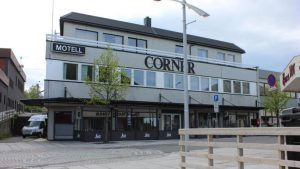
Corner Hotel
Corner Hotel – Hotel in the center of Brønnøysund, a coastal town in the middle of Norway! Corner Hotel offers affordable accommodation in close proximity to Norway’s perhaps most beautiful coastal stretch. Vega world herritage area is only a 25 minute boat ride away. The motel is perfect for those who want adventure and activity when visiting Helgeland.
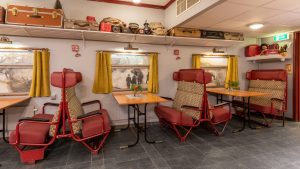
Sure Hotel by Best Western Ole Tobias
Sure Hotel by Best Western Ole Tobias offers accommodation in the town centre of Mo i Rana. The hotel is decorated with details from Norway’s railway history. Breakfast is served in “Spisevogna” (the Dining Car).
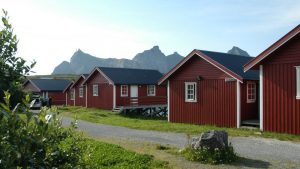
Træna Rorbuferie
The Træna archipelago is surrounded by the open sea. Træna Rorbuferie is situated on Husøya, the most populated of these islands. Here, amidst magnificent scenic surroundings, you have a golden opportunity to experience the thriving coastal culture of a vibrant island community.
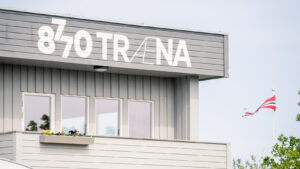
8770 Træna
If you visit Husøya, the main island in the Træna archipelago, consider staying at the cosy little hotel called 8770 Træna. Træna is a vibrant community, and here you will find good dining as well as strikingly beautiful scenery.
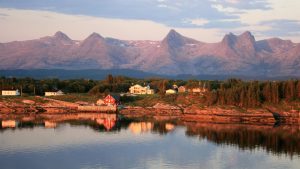
The Romantic House on Herøy
Det Romantiske Huset (“the Romantic House”) offers charming accommodation in tranquil surroundings by the sea, on Herøy on the Helgeland coast. The panorama is magnificent, spanning from the Seven Sisters mountains in the south to the peak called Dønnamannen in the north. Holiday adventures available here include kayaking, RIB sea rafting excursions, fishing, hiking, cycling and island hopping.
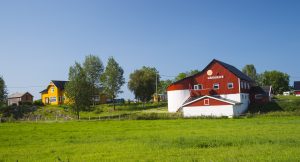
3 Kalver – Hearty dining at a farm restaurant
The farm restaurant called 3 Kalver (Three Calves), situated on the island of Dønna, offers satisfying dining in distinctive surroundings. The menu proudly features dishes based on quality local ingredients.
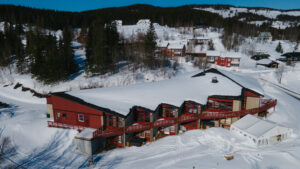
Hattfjelldal Hotell – GoExtreme
This hotel, located just outside the village centre, enjoys a fantastic view of Hattfjelldal, a picturesque community in the mountains of Helgeland.
Korgfjellet Fjellstue Lodge
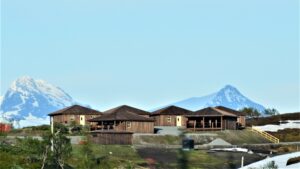
At the top of Korgfjellet pass, midway between the towns of Mo i Rana and Mosjøen, is Korgfjellet Fjellstue, a lodge that offers hearty meals. Tired travellers will be pleased to find good options for an overnight stay.
Ristning-Tjaalege, Vevelstad museum and bygdetun
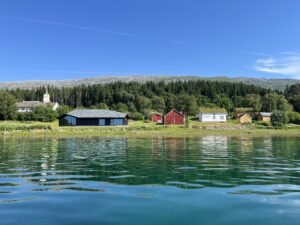
Not far from the Forvik ferry terminal, the Ristning/Tjaalege museum building stands next to the open‑air museum, alongside Vevelstad Church. At the open‑air museum, visitors can explore everyday life in the 19th century through guided tours and hands‑on activities, while the museum building takes you further back in time.
Sømna Bygdetun – An open-air museum
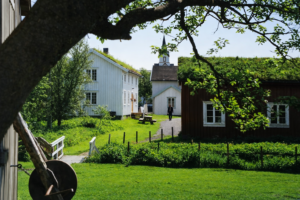
Step into coastal history at Sømna Bygdetun. This local heritage museum brings you close to everyday life on the Helgeland coast in the 1800s, and tells the story of how grain was grown in the north, against the odds.
Skogmo Family Camping
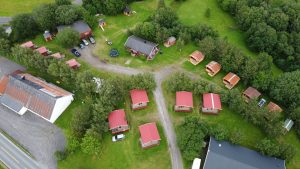
Skogmo Family Camping is idyllic situated in tranquil surroundings 12 km south of Brønnøysund. It offers a relaxed family-friendly atmosphere well away from the city, where children can play freely and safely.
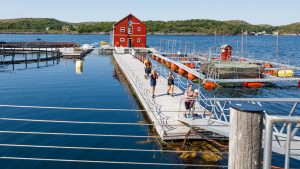
Norwegian Aquaculture Centre – A salmon success story
The Norwegian Aquaculture Centre is beautifully situated by Toftsundet. The actual fish farm is reached by a gangway from the shore. This is the place to learn more about the fascinating life cycle of salmon, and the pioneering work that made Norwegian aquaculture such an international success.
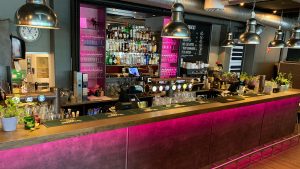
KRED Pub & Café in Brønnøysund
This is the most popular venue for local musicians as well as established artists. The pub has a big-city feel to it, and when you’re hungry, the chef offers tasty dishes. KRED is also popular as a stand-up stage, the place to watch the football game, and for its Quiz Evenings.
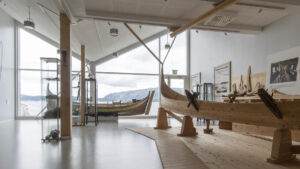
Bindal Museum and the old croft at Vassås
Bindal Museum at Terråk documents local forestry, boatbuilding and other wood-working traditions. It contrasts past and present practices. The museum also includes Bindal Bygdetun, an open-air museum at an authentic old croft at Vassås, 2.5 km north of Terråk.
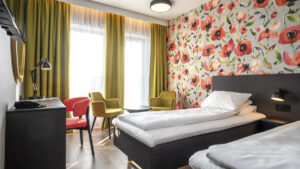
Thon Hotel Brønnøysund
Thon Hotel Brønnøysund is situated in the heart of this coastal town in southern Helgeland. The hotel offers attractive new rooms, a restaurant with à la carte dining, and plenty of free parking for guests.
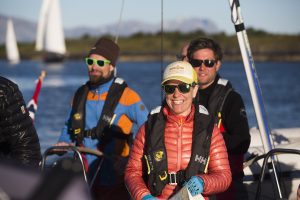
Seil Norge – Sailing adventures on the Helgeland coast
SeilNorge is the country’s leading organizer of sailing tours, expeditions, and sailing courses. Join them for an active holiday week up and down along Norway’s most beautiful coastline; the Helgeland coast. Set against a backdrop of thousands of islands, islets, and skerries, you will learn the art of sailing, whether you are a beginner or experienced sailor.
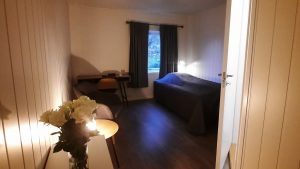
Brønnøysund Overnatting – Accommodation in the heart of town
Did you know there is cosy accommodation available within walking distance of the airport as well as the heart of Brønnøysund? It’s ideally situated with its proximity to good outdoor recreation areas, as well as the many excellent cafés and restaurants in this coastal town.
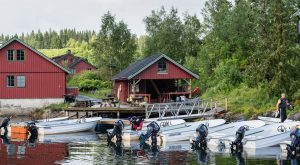
Velfjordferie – A holiday stay for guests who love fishing!
Velfjordferie is beautifully situated by the fjord, with great fishing spots and hiking trails nearby! The area lies just south of the Arctic Circle, which means you have daylight virtually round-the-clock, from mid-May to the end of July. Fishing is especially popular at “night”, when the wind dies down and the sea often is calm as a mirror.
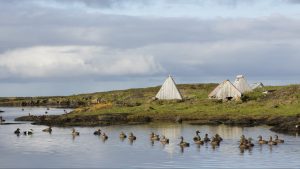
Lånan – a living World Heritage tradition
The unique tradition of bird guardianship and eiderdown harvesting kept alive on the island community of Lånan is the main reason why the Vega Archipelago was inscribed on UNESCO’s World Heritage List in 2004. In June and July, visitors can travel out to this remote island cluster and experience first-hand the close and carefully balanced relationship between people and eider ducks.
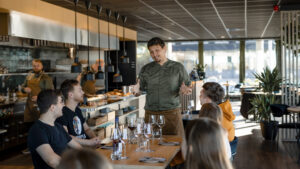
Svang Restaurant & Wine Bar – In the heart of Brønnøysund
A cozy place with a focus on local food, suitable for both big and small occasions. At Svang, the hosts warmly welcome you to stop by for a delicious meal, some snacks, or something delightful to drink
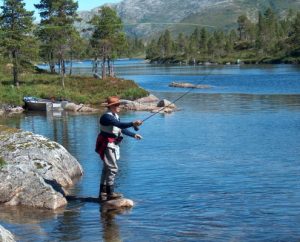
Plahtes Eiendommer – Fishing, hunting and wilderness adventures
Welcome to fishing, hunting and wilderness adventures on one of the largest private estates in Norway. Plahtes Eiendommer covers 650 km2 of magnificent wilderness in southern Helgeland. Plahtes takes great pride in its environmentally conscious management of its wilderness, as well as the cabins, boats and other facilities that ensure our guests a truly memorable wilderness adventure.
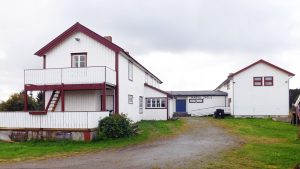
Halibudskole Vandve – A holiday home with boat rental and a nearby glasblowers workshop
Halibutskole Vandve offers a holiday stay where you’ll have some really great fishing opportunities. Guests who appreciate the arts and creative crafts will be pleased to know that a glassblower has a workshop nearby.
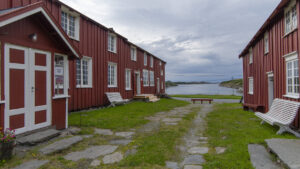
Nordvika Old Trading Post, on Dønna
The old trading post at Nordvika is one of the oldest and most intact in all of Nordland County. The museum is beautifully situated between towering mountains on the island of Dønna, just a ferry ride from its nearest town, Sandnessjøen.
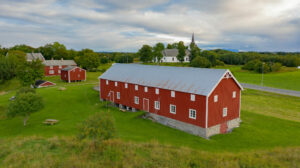
Herøy Bygdesamling – A rural museum
This rural museum, situated on the beautiful island of Herøy in Helgeland, documents the local culture and history. The museum consists of a compete farmstead, altogether seven buildings dating from the period 1745–1890, all of which are protected or listed as worthy of preservation.
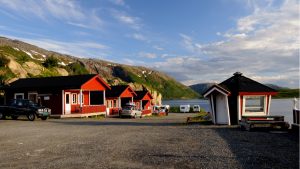
Kvitneset Camping – Rorbu cabins and boat rentals in scenic surroundings
Kvitneset Camping in Leirfjord municipality offers accommodation in scenic surroundings by a secluded fjord. Guests enjoy a beautiful view of the fjord and the Seven Sisters mountains.
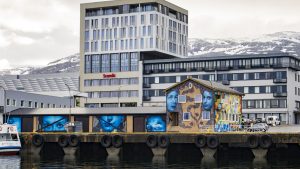
Hotel Scandic Seven Sisters – Accomodation Sandnessjøen
As a guest, you will immediately realize why the Hotel Scandic Syv Søstre bears the name of the Seven Sisters mountains. The hotel enjoys a great view of these renowned mountains. A holiday base here is perfect for exploring the many island treasures of the Helgeland coast, including Dønna and its colourful history, the idyllic island of Herøy, and the Vega archipelago, which is a UNESCO World Heritage Site.
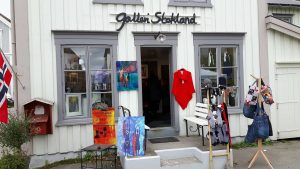
Galleri Stokland in Mosjøen
In a charming wooden house from 1852, on Sjøgata street in the historic heart of Mosjøen, you will find Galleri Stokland. On display are colourful artworks, knitwear, glass and ceramics by creative local craftsmen and artists.
HTS Mosjøen – charter tours throughout Nordland
HTS Mosjøen offers charter tours in comfortable buses with experienced drivers. With a base in the town of Mosjøen, HTS offers tailored scenic tours throughout Nordland County.
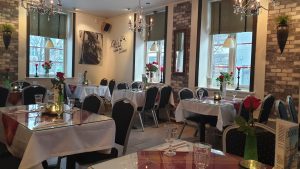
Restaurant Soprano – Wining and dining in Sandnessjøen
Restaurant Soprano offers a taste of Italy in rustic surroundings. During the summer, you can dine at an outdoor table, surrounded by trees, cobblestones and people strolling along the pleasant pedestrian street on which the cosy restaurant is situated.
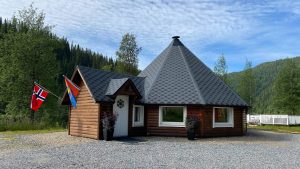
Aernie – Accommodation and a sámi experience
At Aernie, you can indulge in culinary and cultural experiences based on the history and traditions of the Southern Sami people. You can stay overnight in a Sami hut or in a cabin, motorhome, caravan, or tent. Aernie is located at Storli camping along the E6, a 20-minute drive north of Mo i Rana.
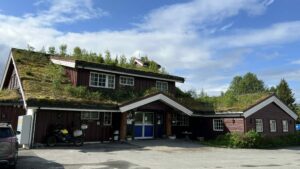
Bimbo Veikro – Food and accommodation
Bimbo Veikro offers hearty homemade fare and reasonable accommodation near the town of Mo i Rana.
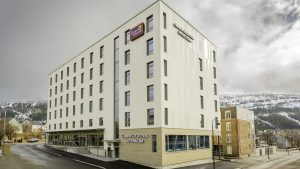
Strawberry Home Hotel Helma
The Strawberry Home Hotel Helma is centrally situated in the town Mo i Rana. The hotel offers accommodation designed to make you feel right at home. Its location is conveniently near the shops, the theatre, the science centre Vitensenter Nordland, and the town’s attractive Fjord Promenade. Breakfast, afternoon coffee and a hot supper are always included in the price.
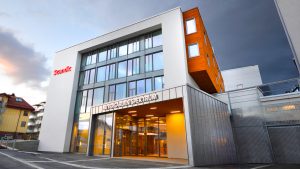
Scandic Meyergården Hotel – Dine and stay in Mo i Rana
Scandic Meyergården Hotel is situated in Mo i Rana’s town centre. Its restaurant features a menu based on locally sourced ingredients. Whether you are with your family, friends or colleagues, this hotel is an ideal place to stay. It’s close to premier hiking destinations such as Rabothytta cabin and Saltfjellet national park.
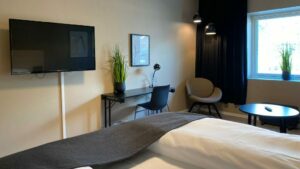
Mosjøen Hotell
Mosjøen Hotel is a cosy little hotel conveniently situated along highway E6, just 1.5 km from the Mosjøen town centre. Being within easy reach of many sights and attractions, it is an excellent base for day excursions along the coast and into the inland wilderness.

Gilles Cafe & Restaurant in Mosjøen
This cozy cultural café in Mosjøen is located at the “beginning” of Sjøgata and offers good food, coffee, and both small and large concerts throughout the year.
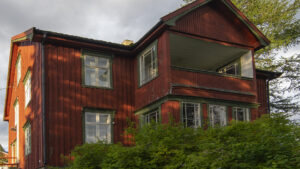
Hattfjelldal Museum
In Hattfjelldal it is Fjellfolkets Hus (House of the mountain people) which is the museums home base. Here you’ll find great exhibitions and disseminations services about the place. In the house there is also a Tourist Information Office, a café, accommodation and place for meetings and events.
Blomsterbua Food & Wine in Mosjøen
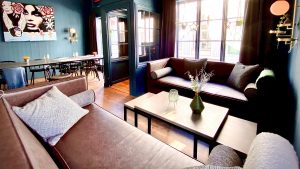
On Sjøgata, the historic street in the heart of Mosjøen, you will find Blomsterbua Food & Wine. This cosy and beautifully decorated restaurant is suitable for every occasion.
Jacobsenbrygga and the folk museum in Mosjøen
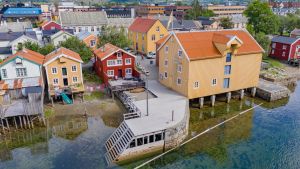
The Vefsn Museum has numerous exhibitions focusing on rural life and urban history at several locations in the town of Mosjøen. You can also join a guided tour of the historical street Sjøgata, which is lined with 19th-century houses.
Restauranthuset Tipperary
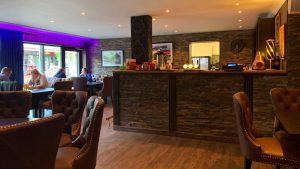
Tipperary actually consists of three different establishments in a restaurant house that stands on a pleasant pedestrian street in the heart of Mosjøen.
Laksforsen – Generations of tratidional food
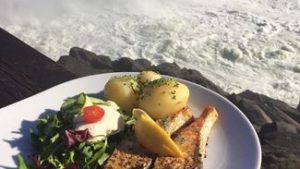
Laksforsen is situated in Grane by highway E6, with a breathtaking panoramic view of a beautiful waterfall.
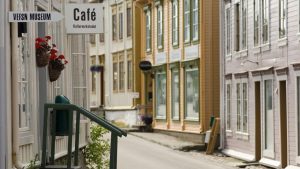
Kulturverkstedet Mosjøen – A cultural workshop
The cultural workshop in the old town, Sjøgata in Mosjøen, is a unique environment where past and present blend together.
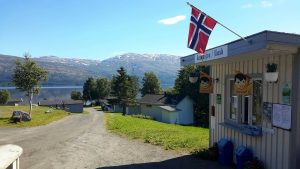
Aspnes Camping
Welcome to Helgeland and Aspnes Camping, beautifully situated by Fustvatnet lake, approximately 13 km north of Mosjøen.
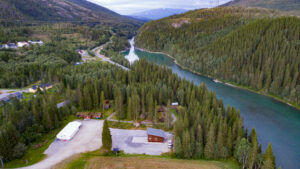
Grane Museum
Laksforsen nature and cultural gallery tells the history of the Salmon River Vefsna, specifically its use and recreation close to one of Norway’s most fantastic waterfalls. You’ll find the gallery in the lower floor of Laksforsen café, approximately 30 km south of Mosjøen and approximately 8 km north of Trofors in Grane.
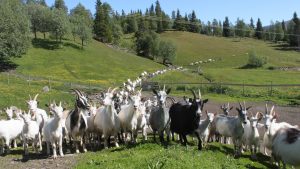
Sæterstad Gård
Are you looking for a unique experience? An experience where nature and culture meet and leaves an impression in all your senses? Then you should take a trip to Sæterstad Gård, beautifully situated 400 meters above sea level at the foot of Krutfjellet in Hattfjelldal, an area that has been populated by Sami, Swedes and Norwegians for many centuries.
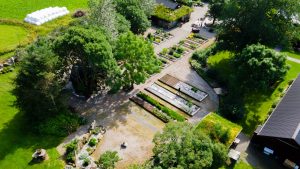
Hildurs Urterarium – Culinary adventures
Hildur’s Urterarium is a vibrant and lush place where both the food and the surroundings are an integral part of the experience. The well‑tended herb garden is open to visitors and invites peaceful walks among herbs, flowers and a beautiful garden setting. Inside Restaurant Sagastuen and the old parlour, guests can enjoy the calm and cosy atmosphere, combined with flavours based on local ingredients – perfect for those seeking a break from everyday life and memorable tastes in good company.
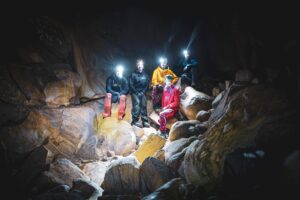
Øyfjellgrotta – A cave adventure near Mosjøen
Øyfjellgrotta is a 500 meter long limestone cave in a mountain that towers over the scenic town of Mosjøen. The experienced guides of Hi North invite you to book an unforgettable tour of the cave.
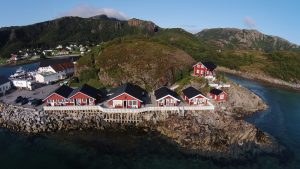
Oscarbrygga – Accommodation and dining
OscarBrygga at Tonnes offers accommodation in rorbu cabins or wharf rooms, right on the shore. From your balcony, you can enjoy the sunset or the glow of the midnight sun, to the soothing sound of the surf. Dining is offered in a refurbished old wharf building rich in ambience.
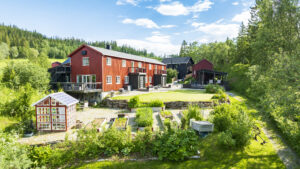
To Elise from Marius – From farm to table
In the village of Utskarpen, between Mo i Rana and Nesna, Elise and Marius established a culinary attraction that is drawing a steady stream of foodies. They offer a dining experience where every dish is made from ingredients fresh from the farm and pasture. They also offer accommodation – charming rooms in a countryside setting.
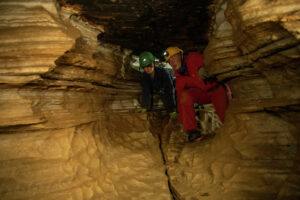
Setergrotta – An adventure inside the mountain!
In Setergrotta you can experience the mountain from the inside! A visit to this cave, situated near the town of Mo i Rana, is suitable for the entire family, and individuals as well as groups. Guided tours are given several times a day, every day throughout the summer.
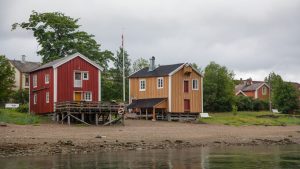
Guest Houses in the historic area in Mosjøen
Visitors are welcome to stay in one of the historic houses on Sjøgata street. The apartments offered are furnished in the old style but fully-equipped. Renting accommodation here will give you a good feel for a time that was less hurried – while enjoying all the comforts and amenities we have come to expect today.
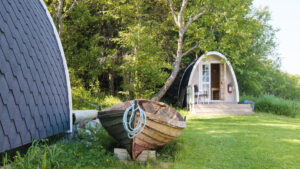
Elfis Sjøstuer – An idyllic stay in rorbu cabins
Elfis Sjøstuer is beautifully situated by a small cove on the northern part of the island of Herøy. This is the place to come for a tranquil holiday in scenic surroundings. Guests enjoy a fine view that spans from the Seven Sisters mountains to the south and the peak called Dønnamannen to the north. Activities available include kayaking, fishing, hiking, cycling and island hopping.
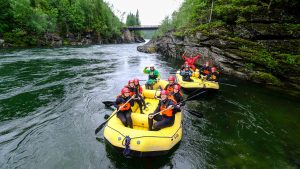
An exciting family rafting trip with RiverNorth
Join the fun activities, on the river and on shore, with RiverNorth at Trofors!
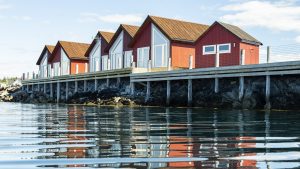
Toft Bryggehotell
If you’re heading to the beautiful Helgeland coast, you’ll find yourself in the heart of one of Norway’s most important industries. Along the shoreline of Toftsundet, you’ll find the Norwegian Aquaculture Centre — right in the middle of salmon country. Here, you can experience the life of the salmon up close. The demonstration facility is easily accessible from land, located right next to the seaside cabins, an indoor historical exhibition, and the on-site restaurant. It’s a great place to stay by the sea, create lasting holiday memories, and enjoy the fresh sea air.
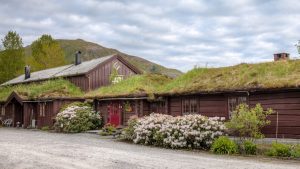
Hildurs Urterarium – Accommodation
Stay in newly renovated and cozy rooms at Hildurs Urterarium outside Brønnøysund. Here you are met by pleasant hosts in homely and good surroundings.
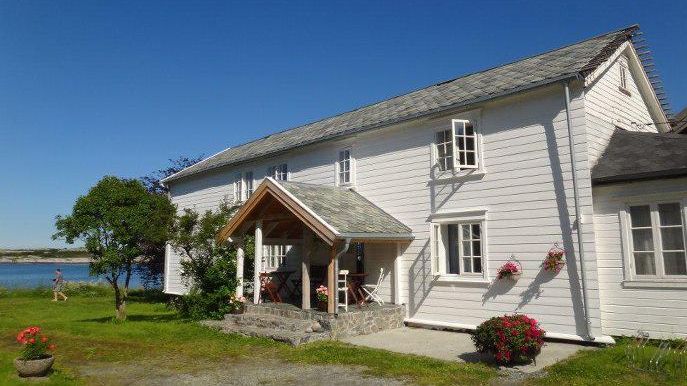
Forvik Old Trading Post
The old trading post at Forvik in Vevelstad, which dates back to 1792, is beautifully situated on the sea along route Fv17. Accommodation in charming surroundings is offered in the oldest building, Grålåna. There is a restaurant in Naustloftet, and a coffee roastery in the old general store. People often gather in Brygga, the wharf building, to enjoy the long bright summer evenings.
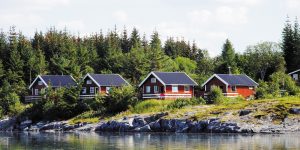
Offersøy Camping Helgeland – Camping, boat and bike rental
With Offersøy Camping as your holiday base, you can easily explore the islands of your choice along the Helgeland coast. You can island hop by kayak, or by bringing your bicycle on the express boat or ferry so you can explore various islands on two wheels. Either way, it’s a delightful way to immerse yourself in the region’s rich cultural heritage and feel close to the magnificent landscape and natural elements.
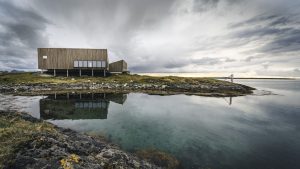
Vega World Heritage Center
The Vega World Heritage Centre, which is beautifully located at Gardsøy, documents the history and culture of the Vega islanders. Here you can gain fascinating insights into the lives of these fishermen-farmers, and about their centuries-old local tradition of protecting the eider ducks who come to nest here – a tradition that led to Vega being granted UNESCO’s World Heritage status.
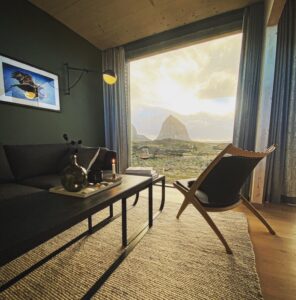
House by the Sea – A unique place to stay on the island of Træna
The House by the Sea is a unique experience, thanks to its scenic location, incredible view and innovative architecture. The three cabins are designed to make your scenic experience an integral part of your holiday accommodation.
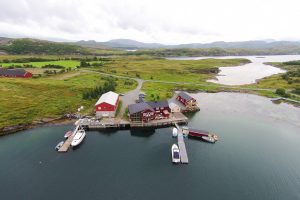
Dønna Rorbuer Bøteriet – A charming restaurant and accommodation
Dønna Rorbuer Bøteriet, situated on the quay in beautiful surroundings on the island of Dønna, offers good dining in charming surroundings, accommodation and guided boat trips.
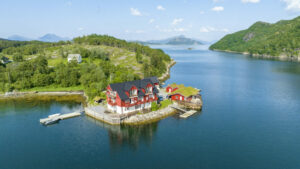
Brygga on Dønna
“Brygga” is nicely located in quiet surroundings on the north-eastern side of Dønna, 7 km from the ferry terminal at Bjørn. The wharf consists of 5 apartments of 60 square meters each located right next to the sea. They also offera a sauna, conference room, boathouse, grill, hot tub and a cabin (Rorbu).
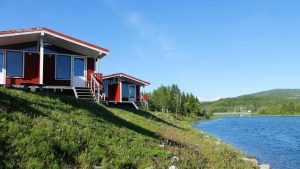
Røssvoll Camping
Røssvoll Camping offers peaceful surroundings by the Ranelva river, about 13 km north of the town of Mo i Rana. The campsite is a short distance away from attractions such as the Svartisen glacier, Grønligrotta cave, and Setergrotta cave. If you head into town, the entire family can enjoy a visit to Vitensenter Nordland, a science museum that explores nature, technology, and mathematics.
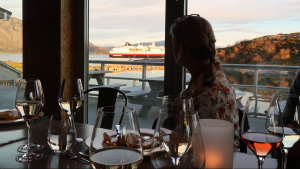
Torghatten Strandrestaurant – A dining close to the ingredients
Torghatten Strandrestaurant is magnificently situated at the foot of the legendary mountain Torghatten, 15 km from the Brønnøysund town centre. Time and again travellers are delighted to discover this beautiful seaside restaurant and its terrific fjord view.
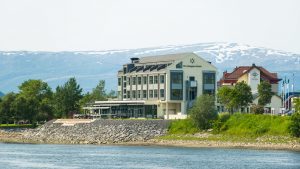
Fru Haugans Hotel in Mosjøen
The venerable Fru Haugans Hotel, part of the “Heimr Collection” chain, is located at the end of Sjøgata, the historic and preserved district in the center of Mosjøen.
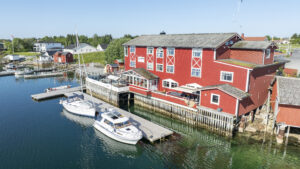
Herøy Brygge – Accommodation in the Herøy islands
At Herøy Brygge, you can stay in beautiful, newly renovated rooms by the sea, in your own boat at the guest dock, or stop by for a pleasant dinner by the pier. With good food, comfortable beds, and excellent hospitality, you’ll have a wonderful time in this beautiful archipelago.
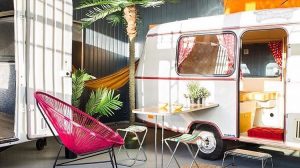
Myken bed and soup
The Myken community sits among low skerries far out in the open sea, on the outer edge of the Norwegian coast. There is no car traffic here, and the road is only 800 metres long. At one end of it is Myken Seng og Suppe. In the old school building, drilling and strict instructions have been replaced by overnight stays and set tables.
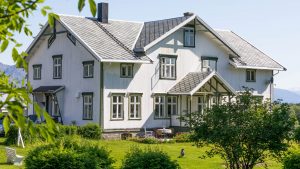
Dønnes Gård – Accommodation in historical surroundings
Dønnes Gård on the island of Dønna, offers a holiday stay in a former vicarage. The historical surroundings actually date back to the 13th century. Guests here can dine on traditional dishes made from locally-sourced ingredients. To hear the colourful history, take a guided tour of the vicarage and the neighbouring medieval church.
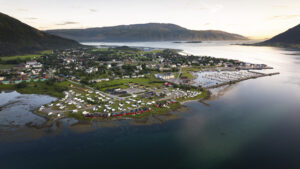
Topcamp Havblikk – Good food and lodging at Nesna
When you stay at Topcamp Havblikk at Nesna, you have access to varied activities that you can enjoy with family or friends. This campsite is well-suited to people travelling with caravans, campers or tents. If you prefer, you can choose a cabin or room.
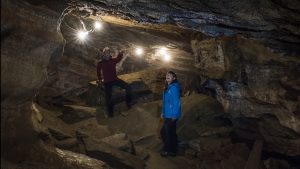
Grønligrotta Cave near Mo i Rana
Grønligrotta, with its network of passages and beautiful limestone formations, has long been one of the most visited caves in Scandinavia. Electric lighting allows you to more fully appreciate it this natural wonder, which ice and water took 700,000 years to sculpt.
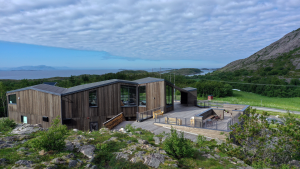
Torghatten Lodge
Torghatten Lodge is beautifully situated at the foot of Torghatten, the legendary mountain with a hole through it. It offers rooms that are comfortable, bright and cheerful, letting in sunlight from every directions. Here you can relax and just enjoy, taking time to enjoy the tranquillity, the sight and sounds of your natural surrounding, a good cup of coffee and home-baked cake.
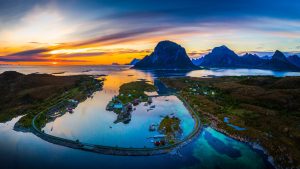
Støtt – Top of Helgeland
The picturesque old trading post of Støtt offers some of Helgeland’s most beautiful and unique holiday experiences. Many adventures await you here, and you can enjoy charming quarters and great dining in historic buildings steeped in the island’s ancient coastal heritage.
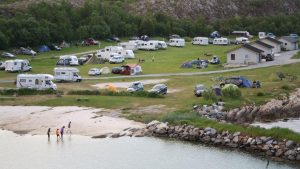
Torghatten Camping – Fishing, dining and much more
Torghatten Camping is idyllically situated at the foot of the legendary mountain Torghatten. Accommodation offered here includes high-standard cabins and apartments. There are spots to pitch your tent and electrical hook-ups for your caravan or camper. The restaurant here is known for excellent dining.
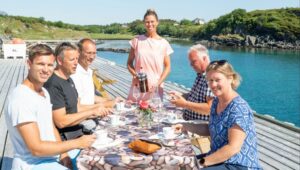
Sjokoladebrygga on Dønna
Visit “the world’s smallest chocolate factory” by the sea on Dønna and experience how delicious chocolate can be when made with care and attention to exclusive, organic ingredients.
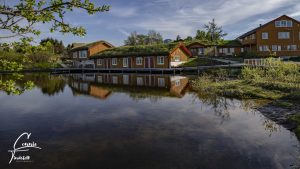
Vega Havhotell and restaurant
Vega havhotell is a small hotel in beautiful surroundings with the ocean close by. Vega Havhotell is located at the north-west part of Vega, at Viksaas between forests, mountains and seas.
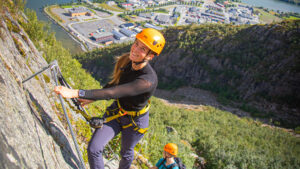
Mosjøen Via Ferrata
At the heart of Nordland County, in the geographic middle of Norway, is the friendly town of Mosjøen. Here you can join Hi North on an exhilarating mountain adventure on the world’s northernmost via ferrata. Take the challenge and feel the satisfaction as you reach the summit!
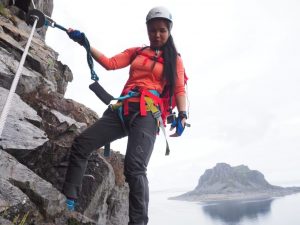
The Ravnfloget Vega Via Ferrata and the Vega Stairs
“Climbing Ravnfloget has been a dream for many people. This rugged mountain was once a lofty playground accessible only to sea eagles and ravens, hence the name.” Today, the Ravnfloget Via Ferrata, a spectacular climbing trail, will take you to the summit of Ravnfloget. The mountain is situated on the western side of the island of Vega.
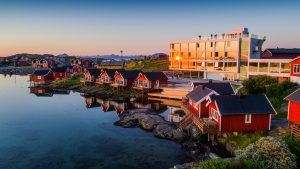
Lovund Hotel
Lovund Hotel is the perfect base for exploring the enchanting island of Lovund. With comfortable accommodation, delicious cuisine, and stunning views of the sea and mountains, you can relax and unwind after a day of hiking or bird-watching. Enjoy the urban island life and breathtaking views from the comfort of your room or the hotel’s terrace.
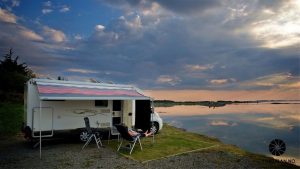
Sandnessjøen Camping
Sandnessjøen camping is located at Steiro along the Rv 17, 10 kilometers south of Sandnessjøen. Sandnessjøen Camping is just a short walk from the mountains De Syv Søstre and the local airport.
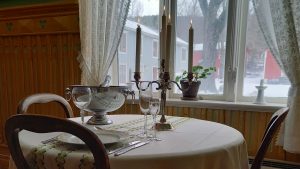
Tjøtta Gjestegaard – Accommodation and café in historical surroundings
Stay close to nature experiences in historic surroundings at Tjøtta Guesthouse, conveniently located near the Seven Sisters mountain range, cultural trails, and historical sites, with excellent ferry connections for day trips to the islands along the Helgeland coast.
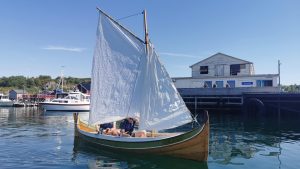
Himmelblå Brygge: Dining and accommodation at Ylvingen
To Norwegians, Himmelblå Brygge and the island of Ylvingen is well known from a popular TV programme. Fortunately, all visitors are welcome to dine and enjoy an overnight stay here. Some of the accommodation is unusual and the scenic surroundings are magnificent. And for young and old, Himmelblå Brygge offers lots of activities and great adventures!
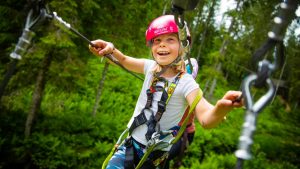
Krokstrand Fjellpark – Accommodation, food and a climbing park!
With holiday accommodation at Krokstrand, young and old can take the challenge in the “High & Low Climbing Park”, play mini-golf, hike the mountains or go fishing. Hunting in the nearby wilderness is also available. Rent a room or an entire holiday home, and dine on delicious home-cooked meals in the café.
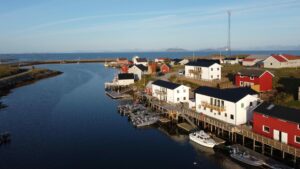
Træna Arctic Fishing
Selvær, the second-biggest island of the Træna archipelago, is a quiet and cosy fishing community. Like the rest of Træna, it faces the open sea and lies far from the mainland. Here, you can stay in a modern quayside holiday apartment, and experience scenic Helgeland at its best. You will find excellent fishing, literally thousands of islets and skerries, amazing birdlife, and skies that glow late into the summer nights.
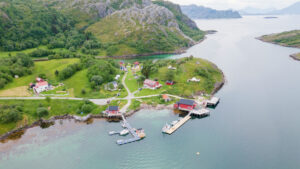
An idyllic Helgeland holiday on Rangsundøya
Just north of the Arctic Circle, in Rødøy municipality, lies Rangsundøya. At Helgelandsidyll on Rangsundøya, you stay in a glamping tent, apartment, or the “Eagle Dome.” Rent a boat, kayak, or SUP and spend your days on the water or in the mountains of the island, and relax in the evenings in the sauna. Here, you can find peace and quiet, away from the crowds.
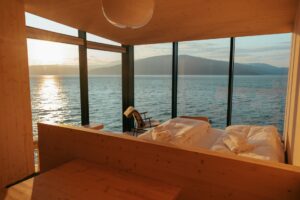
Yttervik
Yttervik, situated in idyllic surroundings by the Ranfjord, offers accommodation a short distance from Mo i Rana’s town centre. The cabins and campsite and the surrounding area is well suited for varied activities for the whole family.
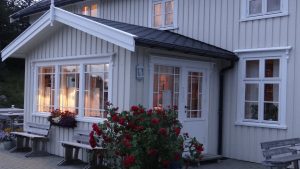
Klokkergården – Stay in nostalgic surroundings on the island of Rødøy
At the foot of the majestic mountain called Rødøyløva, is the stately Klokkergården, a sexton’s residence that dates back to 1904. Here you can enjoy warm hospitality in surroundings that recall a bygone era.

Skillevollen Sports Park
At Skillevollen Sports Park there’s so much to do for you who love being active outdoors, either if you’re coming by yourself or together with your family, and bring your cross-country skis, ice skates, or sleds. Here you can also find alpine slopes and a biathlon stadium.
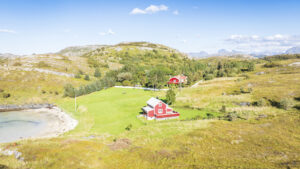
Hansinestua and Hagland – accommodation in historic houses on Gjerøy
In the beautiful island kingdom of Rødøy municipality lies Gjerøy – a vibrant island with around 50 year-round residents, surrounded by the open sea and sheltered coves. Here, you can unwind, explore the coastal landscape, and stay in authentic, historic houses – each with its own character and view.
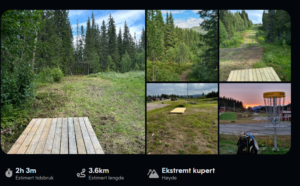
Disc golf at Skillevollen
An 18-hole disc golf course in varied terrain, featuring both open and technical holes at Skillevollen in Mo i Rana.
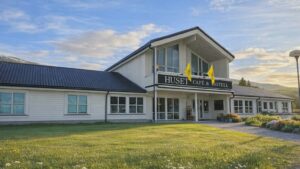
Huset Café & Motel – accommodation, dining and meeting facilities in Korgen
In the centre of Korgen, along the E6 in Helgeland, you’ll find Huset Café & Motel – a practical and welcoming stop for travellers, workers, contractors and small groups looking for accommodation, good food and flexible meeting facilities. It provides an informal and efficient base, whether you’re passing through or staying in the area for a few days.
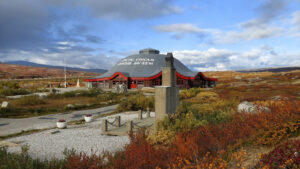
Arctic Circle Center- Souvenir shop and bistro by the Arctic Circle
With food service and a large souvenir shop, the Arctic Circle Center is a natural stopping point on your journey across Saltfjellet and the Arctic Circle.
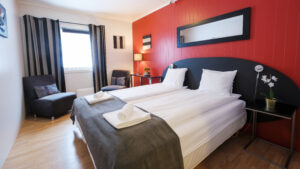
Terråk Guesthouse
At Terråk Gjestegård, you can stay in comfortable rooms and enjoy dinner at the in-house restaurant, Færingen Spiseri—all just a short distance from everything Terråk and Bindal have to offer, from fjord adventures to mountain hikes.
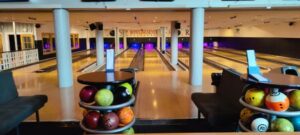
TP Bowling Center – activity and a social meeting place in Mo i Rana
Right in the centre of Mo i Rana, you’ll find TP Bowling Centre – a popular spot for both locals and visitors looking for a social and active break from everyday life or their holiday routine.
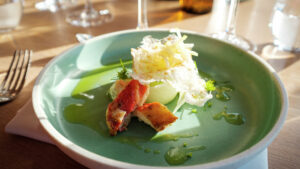
A taste of Helgeland – a 2-day yacht trip from Sandnessjøen
Join a relaxed two-day boat trip along the Helgeland coast aboard the yacht Opus One. Departing from Sandnessjøen, the journey takes you out into the island landscape, where you’ll experience Lovund, local seafood, chocolate tasting and an overnight stay by the coast – all at a pace that leaves room for both experiences and relaxation.
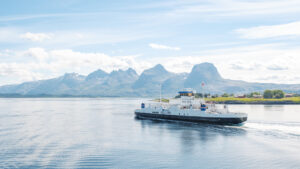
5-day self-drive package: the northern Kystriksveien and the Arctic Circle
Explore some of Norway’s most contrasting landscapes at your own pace – from historic trading posts and the world’s strongest tidal current to glaciers, island landscapes and the Arctic Circle. You drive yourself, with a set framework that makes it easy to get the most out of each day.
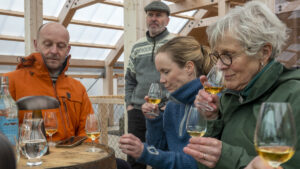
Whisky Carthedral at Myken
Join a Whisky Tasting with Storytelling on a Guided Tour through Myken’s Own Whisky Cathedral
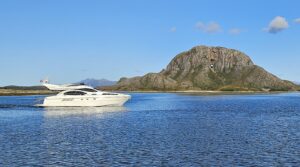
Experience the Helgeland coast on a yacht
Experience the Helgeland coast on a yacht. Helgeland Yacht offers exclusive boat trips in the archipelago outside Brønnøysund—with comfort, safety and close access to coastal scenery, for a memorable experience at sea. A tour around Torghatten is one of the most popular options.
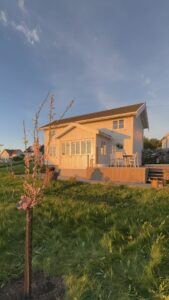
Norastua in Herøy
Norastua is set in a peaceful residential area on Åsen in Herøy, with views across the Herøy strait and the coastal landscape right outside the door.
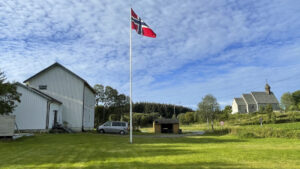
Dønnes Skolestua – Accommodation and RV parking
In 1922, the old schoolhouse was built to provide a safe and warm shelter for children who had a long way home. Now, a hundred years later, it welcomes those who wish to experience the tranquility and beautiful nature in the northern part of Dønna, right on the Helgeland coast.
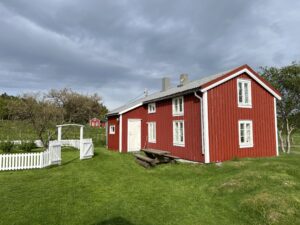
Løkta Museum
Be sure to visit Løkta Museum, beautifully located on the west side of the island. Here, you can experience what life was like on a small farm in the old days. The area is open to all and features a picnic area, a fire pit, and a small outhouse.
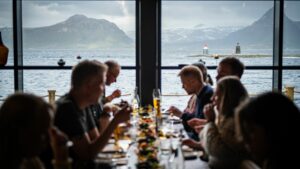
Tampen Café on Kvarøy
At the edge of the pier on Indre Kvarøy, you’ll find the bustling life at Tampen Café—a surprisingly urban lunch spot in the midst of an exciting, small coastal community.
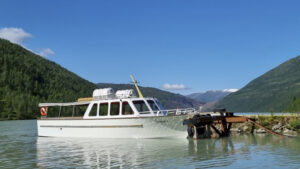
Boat to Austerdalsisen glacier – Svartisen in Rana
Looking for a unique nature experience? Austerdalsisen, Svartisen is located just north of Mo i Rana. Svartisdal takes you by boat across Svartisvatnet so you can witness this spectacular glacier.

Guided mountain tours on Dønna and the Seven Sisters
Join a guided mountain tour to three of the finest hiking destinations in Dønna and Sandnessjøen. Herøy Kayak & Bike can guide you on an easy hike to Åkvikfjellet or Markvollkulpen, or join us to the top of the spectacular mountain Dønnamannen.
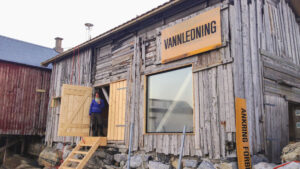
Sauna in Træna’s Old Boathouse
Get warm in the wood-fired sauna inside Træna’s oldest boathouse, then cool off with a refreshing dip in the crystal-clear sea just outside.

Barthbryggo – Fine Dining in the Historic Sjøgata of Mosjøen
An Arctic dining experience shaped by flavours from the sea, the land and the surrounding landscape.
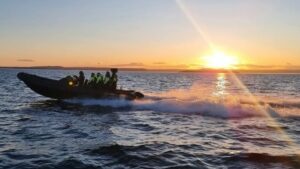
RIB Experiences on the Helgeland Coast
Helgeland RIB AS offers guided RIB boat experiences along the Helgeland coast. Discover the beautiful archipelago on scheduled tours or through private charter.
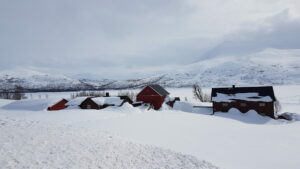
Stekvasselv Gård
Stay in the heart of the mountain wilderness with a variety of hiking opportunities, whether you want to walk on foot, climb high peaks, or go small game hunting. If you’re hiking along the Nordland Route, this is a good place to stay overnight.
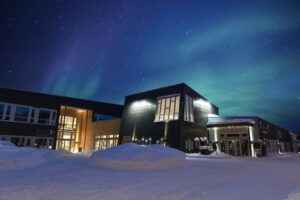
Fjellfolket Hus – in the middle of Hattfjelldal
Experience the beautiful natural areas along the Wilderness Road starting from the mountain village of Hattfjelldal. At Fjellfolkets Hus, you’ll find accommodation, tourist information, a museum, and a handicraft shop, allowing you to be close to both nature and culture in this fantastic mountainous region.

6‑day Self‑Drive Package in Helgeland
Explore the Helgeland coast with our self‑drive packages, designed to give you a memorable journey along one of Norway’s most scenic coastal routes.

Six‑day Cycling Holiday in Helgeland
A six‑day cycling trip starting and ending in Brønnøysund. Along the way, participants will experience several of the most scenic places on the Helgeland coast, with beautiful surroundings and pleasant stops throughout the journey.

Camping with cabins and motorhome parking at Kjelleidet in Bindal
Along the Coastal Route in Bindal, Kjelleidet Camping offers cabins, motorhome parking and tent areas with easy access and a close-to-nature setting. It’s a quiet and convenient stop for travellers.
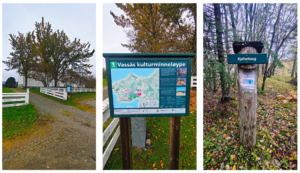
Vassås Cultural Heritage Trail – Audio Guide
An easy and accessible walk suited for locals, history enthusiasts, and visitors who want to explore Nordland’s hidden treasures on foot.

Pool and Cinema Weekend at Scandic Syv Søstre
Enjoy a relaxing weekend in Sandnessjøen with two nights at Scandic Syv Søstre. Take a refreshing swim in the modern pools at Kulturbadet, and round off the day with a cosy film at the cinema. The result is a comfortable mix of culture and coastal atmosphere.
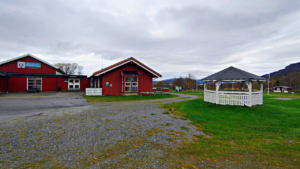
Holm Camping
Holm Camping is set by the coast in Bindal, with views of Heilhornet—an ideal place for those seeking peace, nature, and outdoor experiences in Helgeland.
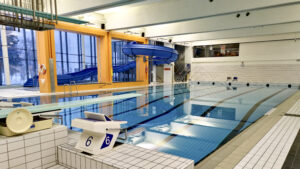
Kippermoen Pool and Sports Center
With a large exercise pool, hot therapy pool and paddling pool, diving board, and waterslide, the pool facility at Kippermoen Sports Center is excellent for your entire family. And at the rest of the sports center, you can find a squash court as well as a versatile outdoor sportspark.
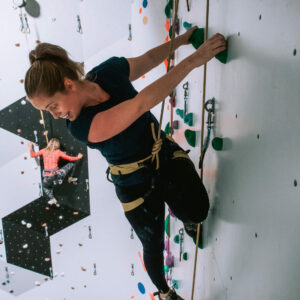
Rana Climbing Center
Experience the challenges and excitement of the climbing wall at Rana Climbing Center. Whether you are a beginner who just wants to test something new, or an experienced climber on your way to new heights; here you will find routes that suit your level.
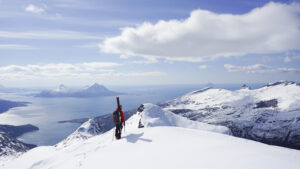
Ski touring gourmet weekend with Til Elise and MAD Mountain Guides
Join a first-class ski touring weekend with guided ski tours in the snow-covered Helgeland mountains, relaxing afternoons in the sauna, and exceptional culinary experiences.
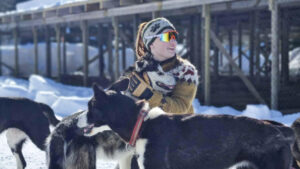
Dog sledding and kennel visit with Freke Wilderness
Meet the sled dogs and embark on a magical winter adventure for nature lovers, dog enthusiasts, and adventure seekers of all ages!
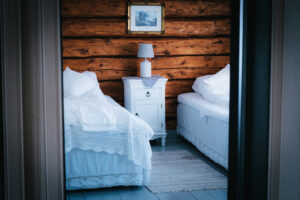
Tømmerstua – A year-round log house at Strandli Farm
Stay in an authentic log house at the foot of Børgefjell national park, overlooking the national park and the mountain landscape of Fiplingdalen.
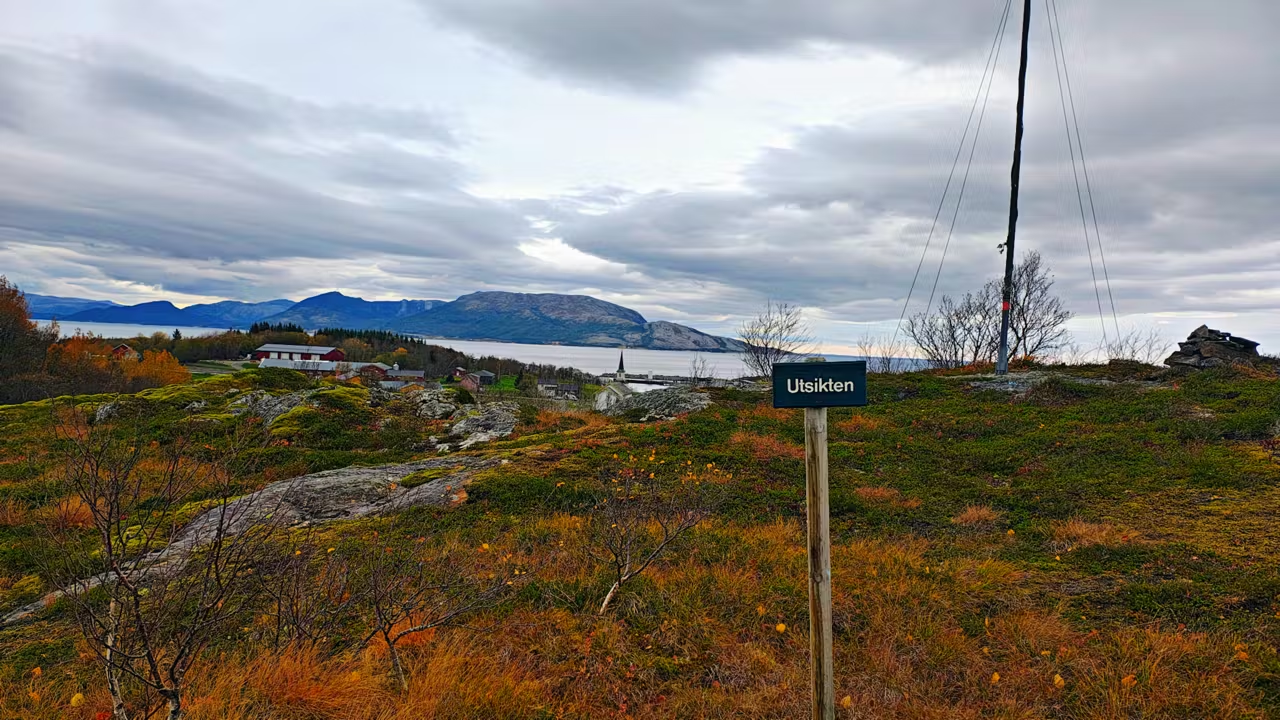
Holm cultural heritage trail – Audioguide
At Holm, history is preserved in the landscape. Follow the cultural heritage trail and discover traces of the people who lived here more than 1,500 years ago.
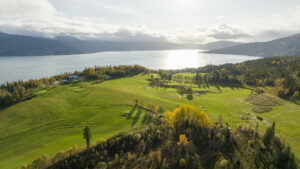
Polarsirkelen Golf – The Arctic Circle Golf
The Arctic Circle Golf course features a stunning 9-hole golf course just outside Mo i Rana, along with golf simulators for those looking to hone their skills off-season.
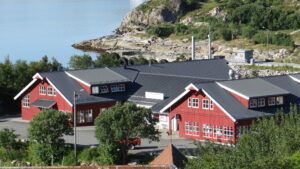
Rødøy Coastal Shop- café and 24-hour grocery store
The Rødøy Coastal Shop (Rødøy Kysthandel) you’ll find both a cozy café and a 24-hour, self-service grocery store, so you can get what you need whenever you need it.
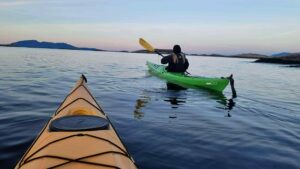
Husvær – a Paddlers’ Paradise
An indescribable island kingdom in the heart of the world’s most beautiful coastline. Here you’ll find calm channels, chalk-white beaches, and panoramic views of the Seven Sisters mountains. Perfect for both beginners and experienced paddlers.
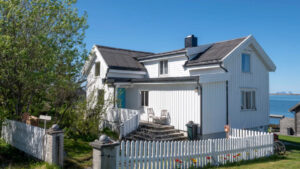
Jettehuset Bed and Breakfast – A Cozy Place to Stay on Sleneset
Jettehuset B&B is a charming guesthouse on Sleneset in the Solværøyene island group on the Helgeland coast. The guesthouse offers comfortable rooms and warm hospitality in an authentic old Nordland house.
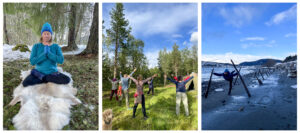
YogaBiret – yoga experiences immersed in Helgeland’s nature
Experience yoga surrounded by the landscapes of Helgeland through an outdoor session in nature. These offerings create a unique blend of movement, calm and the natural world, adding meaning and depth to your journey through Helgeland.
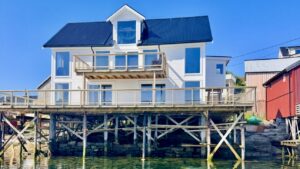
Træna Lodge – waterfront accommodation on the Helgeland coast
Stay close to the ocean and island life at Husøy in Træna. Træna Lodge is a modern wharf house with four bedrooms, a private floating dock, and easy access to fishing, culture, and everyday life in one of the most beautiful island landscapes in the world.
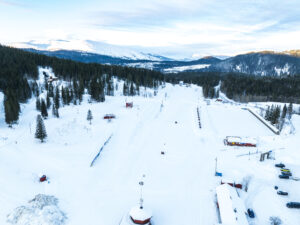
Skillevollen Sports Park
At Skillevollen Sports Park, there’s plenty to do for active individuals, whether you’re alone or with your family. Bring your cross-country skis, ice skates, or sled. There are also downhill slopes and a biathlon stadium.
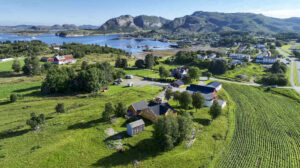
Idyllic farm retreat on Dønna
3 Kalver is located on the scenic island of Dønna along the Helgeland coast, making it an ideal spot for those seeking a peaceful place to stay and dine surrounded by idyllic, quiet farm life, with Dønna’s stunning coastal nature right at your doorstep.
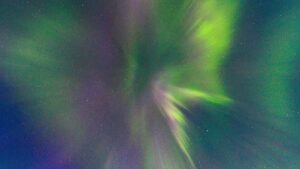
Norwegian Aquaculture Centre – Northern Lights Safari on the Helgeland Coast
Join an unforgettable Northern Lights experience along the southern part of the Helgeland coast. Aboard a comfortable yacht, we set out in search of the magical Aurora Borealis in one of Norway’s most scenic coastal areas. With the sea beneath us and the sky above, we glide silently across calm waters, far from city lights and noise.
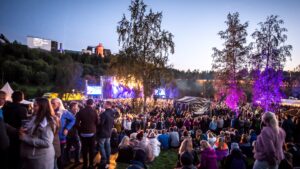
Events in Mo i Rana
In the event calendar at MoiRana.com, you’ll find a complete overview of all the city’s events – from sports competitions and markets to concerts and festivals.
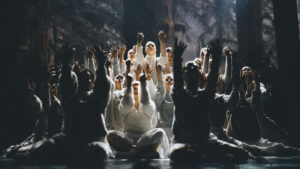
Events in Mosjøen
In the event calendar at iMosjøen.no, you’ll find a complete overview of everything happening in the city – from sports events and markets to concerts and festivals.

Moheia Bad – a modern swimming facility in Mo i Rana
Moheia Bad is a popular meeting place for people of all ages who want to swim, play, exercise, or simply relax. With four different pools, a water slide, saunas, and a café, everything is in place for an enjoyable experience – all year round.
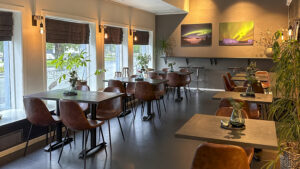
Gildevangen Konditori – Lunch, coffee, and cakes
At Gildevangen Konditori in Olderskog, Mosjøen, you can enjoy a tasty lunch, relax with a coffee or iced tea, and perhaps indulge in a slice of cake—or even three.
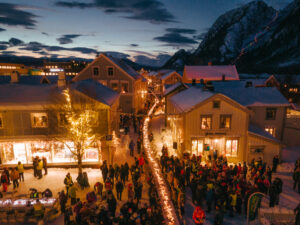
The Mosjøen Christmas village
Christmas Market in Mosjøen
December 2026
Sjøgata is beautifully decorated for the holidays, and the christmas town Mosjøen welcomes you to enjoy the festive season throughout December with Christmas workshops, concerts, performances, and—most notably—the world’s longest Christmas porridge table, spreading holiday cheer for all ages.
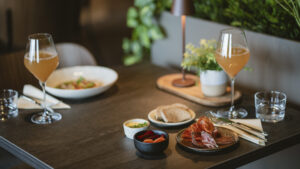
Restaurant Sjyen
With delicious food, fine wine, beautiful views, and a casually elegant atmosphere, Sjyen is a great choice for a memorable meal, perfect for any day or a special celebration. Here, you’ll find fresh, modern dishes that showcase the best of the sea – or “sjyen,” as the locals say.
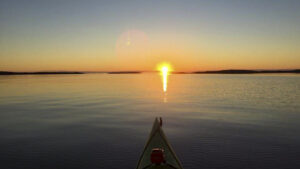
Padleheimen – Courses and guided tours in the beautiful Støttvær archipelago
Join a guided tour or kayak course in the stunning Støttvær islands. Enjoy birdwatching and the peaceful waters and striking landscapes, or challenge yourself in rougher seas along the outer edge of the islands.
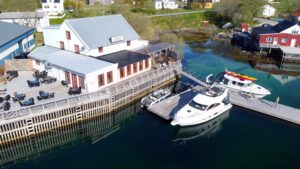
Augustbryggo – Restaurant with Local Food on Seløy
Experience the intimate waterfront restaurant with spectacular views and local ingredients.
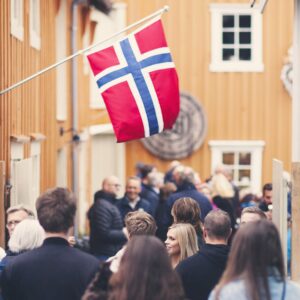
Festspillene Helgeland
Experience a week where culture and the North Norwegian summer meet through over a hundred events, thirty exhibitions, and a vibrant mix of music, art, conversations, and city life. Festspillene Helgeland is one of Northern Norway’s largest cultural festivals, attracting visitors from across the country to Mosjøen.
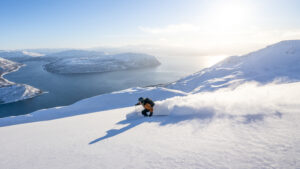
Ski & Sail along the enchanting Helgeland Coast
Join the thrill of a 6-day ski touring and sailing adventure along the enchanting Helgeland coast with Nordværs exclusive spring excursion charters. From March through May, you’ll embark on a five-night journey from Nordværs idyllic base in Seløy, setting sail aboard their state-of-the-art catamaran.
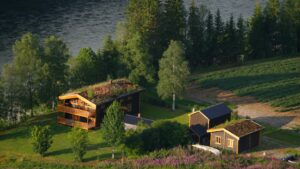
Storsletta – Scenic accommodation along the Vefsna river in Grane
With the Vefsna River as its nearest neighbor, the enchanting house at Storsletta is nestled in a picturesque area.
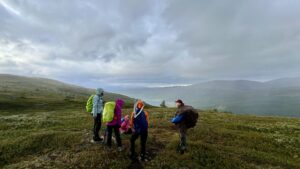
Light Backpack Hike from Børgefjell to Okstindan
This is one of the most stunning and thrilling hikes Northern Norway has to offer, passing through border mountains and national parks, reindeer grazing areas, open plateaus, wild valleys, and massive mountain ranges. And now, you can hike it with luggage transport from cabin to cabin.
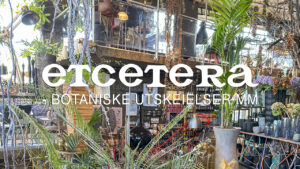
Etcetera – botaniske utskeielser
Step into a botanical wonderland and a shopping experience of a lifetime, overflowing with flowers and décor, interior design, and creative art. And licorice, chocolate, ice cream, and coffee. This is a treat for all the senses, something you won’t soon forget and definitely won’t want to miss.
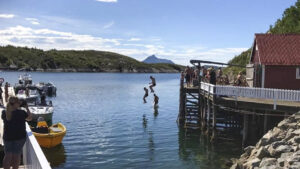
Lyngvågen Café and garden visit in Gjerøyhamn
At Lyngvågen Café you can eat good homemade seafood and stay overnight. Across the strait you can visit Jonny in Gjerøyhamn. Here you will find a lovely visitor garden, a sales exhibition in Losviklåven and a private museum in the old sheriff’s house.

Træna Kaffekollektiv – Charming coffee bar in Træna
Træna Kaffekollektiv is a small and cozy coffee bar offering stunning views over Trænfjorden, serving the finest coffee in the archipelago.
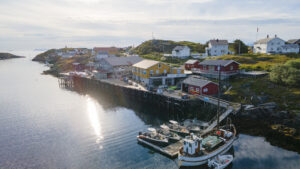
Myken Apartments
At Myken Apartments, you have several accommodation choices on this quaint island far out on the Helgeland Coast. In the apartments at Myken Brygge, you’ll stay right by the express boat quay, enjoying a splendid view of the strait and Myken’s entryway. Alternatively, you can choose one of the houses located a bit more secluded, further inland on the island.
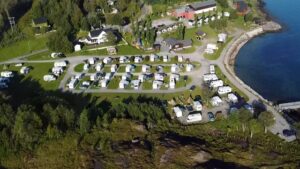
Furøy Camping by the Svartisen glacier
Furøy Camping is conveniently located near the coastal route «National Tourist Route Helgeland Coast», in the northern parts of the coast, with close proximity to the Svartisen glacier. The campsite offers cabins and spaces for motorhomes, caravans, and tents.
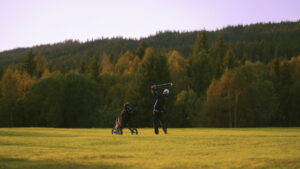
Gulljorda golf course – 9-hole golf course near Mosjøen
Play golf in picturesque surroundings at this beautiful 9-hole course, just a short drive from Mosjøen.
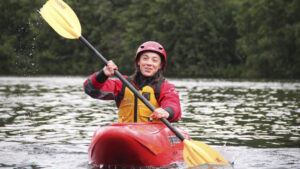
Learn whitewater kayaking with RiverNorth
Join an exciting river adventure and learn whitewater kayaking on the stunning Austervefsna river in the heart of Helgeland. Become confident in a whitewater kayak and experience the thrill and fun in wild and beautiful nature.
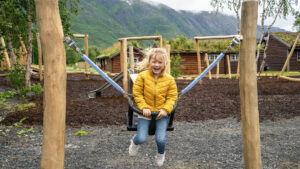
Topcamp Mosjøen
Located conveniently by the E6 at the entrance to Mosjøen, Topcamp Mosjøen is just steps away from some of the town’s most beautiful outdoor and activity areas. The campsite boasts a large playground, spaces tailored for motorhomes, caravans, and tents, and offers guests a choice of comfortable cabins and apartments.
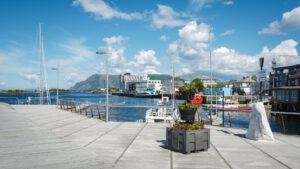
Audio guide Brønnøysund – a walk through 10,000 years of history
Brønnøysund is more than a beautiful coastal town – it’s a living map of history, with traces of people, trade, and life along the coast over 10,000 years. This audio guide lets you explore the town’s rich past and present at your own pace, right in the heart of a landscape scattered with thousands of islands, islets, and skerries.
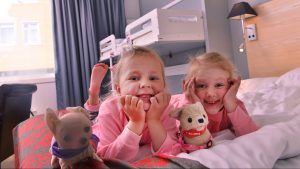
Holiday fun for the whole family in Mo i Rana
Treat the family to an active mini-holiday with a stay at Scandic Meyergården Hotel, entry to Vitensenter Nordland, and a full day of climbing and bouldering at Max Arena. Bowling, a water park, and great dining are all just a stone’s throw away – right in the heart of Mo i Rana. It’s the perfect way for both kids and parents to enjoy the festive season!
Christmas in Brønnøysund
Christmas Market in Brønnøysund
November 2026
Welcome to a weekend of Christmas shopping featuring local products and handcrafted goods, all set within a warm and welcoming atmosphere in the heart of Brønnøysund. The town centre will be decorated for the season, with live music, activities for all ages, and a market filled with food, drinks, local crafts, traditions and regional produce.
Verket
Music festival in Mo i Rana
August 27th and 28th 2027
The Verket music festival is an annual end-of-summer event in Mo i Rana. The festival is held at Revelen, within walking distance of Mo’s town center and just a few hundred meters from Mo Industrial Park, formerly AS Norsk Jernverk—the inspiration for the festival’s name.
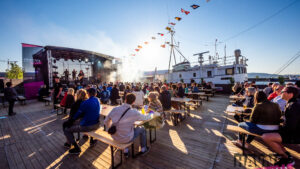
The Havna festival
Music festival in Sandnessjøen
August 2027
Locally known simply as “Havna” (the Harbour), this festival takes place in Sandnessjøen during the second weekend of August each year.
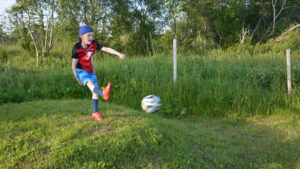
Football Golf at Tømmervika Activity Centre
At Tømmervika Activity Centre, families and groups of friends can challenge each other to a round of football golf – a fun and social activity that blends the best of football and mini golf.
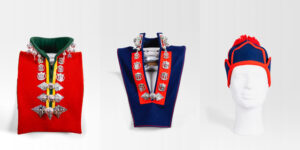
Sijti Jarnge – Center for sami language and culture
Sijti Jarnge is a Sami language and cultural center located in Hattfjelldal, where you can experience and learn about Sami culture in Helgeland.
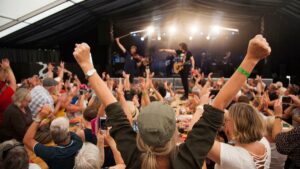
Rootsfestivalen
Music festival in Brønnøysund
July 2027
In the height of summer, you can enjoy four days of a vibrant mix of local musicians, emerging talents, and well-known national and international artists.

Beer Tasting and Brewery Tour at Raus Bryggeri
Raus Brewery is located at the ferry terminal at Nesna. Here you can take a tour and taste the beer, and have a cold soda or beer inside the brewery’s bar or on the outdoor terrace. And you can shop for your way on in the brewery’s own beer and soda outlet.
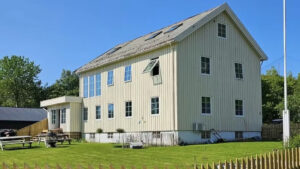
Doktorgården on Lurøya
A historic and charming place to stay in the heart of the Helgeland archipelago, with views of mountains, sea, and a vibrant island community. Doktorgården on Lurøya is a welcoming choice for anyone wanting to experience the Helgeland coast up close — whether travelling solo, as a couple, with family, or with friends.
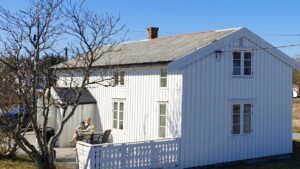
Augustbryggo – Accommodation on Seløy in Herøy
Whether you arrive at Seløy on Herøy by paddle, bike, car, or sea, Augustbryggo welcomes you.
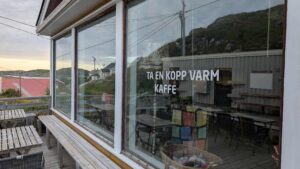
Myken Handel – local shop and gathering spot
On the island of Myken, far out at sea, you’ll find a small shop with big importance. Myken Handel is more than a grocery store – it’s a natural meeting place for locals and visitors alike, located just a stone’s throw from the express boat dock.
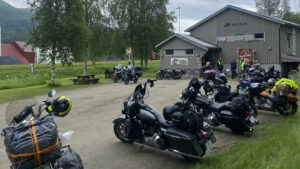
Arctic Circle Classic Motorcycle museum
Visit a one-of-a-kind museum where vintage motorcycles meet a dramatic northern Norwegian setting. This unique museum combines a passion for two-wheelers with local World War II history, and is located in Storforshei, just north of Mo i Rana.
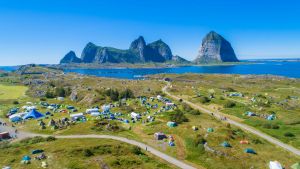
Trænafestivalen
Music festival in Træna
July 2027
Trænafestivalen is a cultural experience as breathtaking and unique as the landscape it’s set in—beautiful Træna, located on the outer edge of the Helgeland coast. This is one of the most exciting opportunities to experience these remote islands at their most vibrant.

Hotel Sjyen – with fjord and mountain views
In the heart of the coastal village of Nesna, overlooking the fjord and the islands of Tomma, Hugla, and Handnesøya, you’ll find the newly opened Hotell Sjyen.
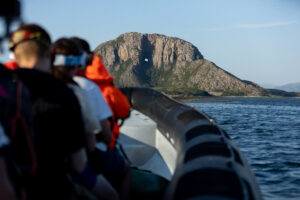
A RIB sea-rafting trip around Torghatten
Sea Adventure Helgeland offers to take you on an unforgettable RIB voyage around Torghatten, the legendary mountain with a hole through it. We will explore part of Helgeland’s magnificent coastal archipelago. The voyage is also an opportunity to see the birdlife and the coastal culture of Brønnøy up close.
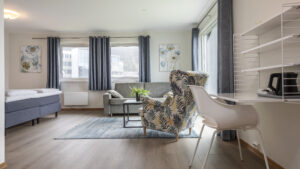
Thon Partner Hotel Mo i Rana
At Thon Partner Hotel Mo i Rana, you stay comfortably by the fjord — right in the heart of Mo i Rana town centre.
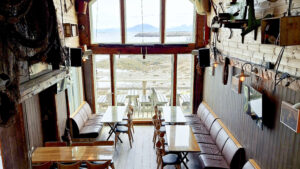
Emaus Pub
Welcome to Lovund’s social meeting place, offering good food, a relaxed atmosphere, and one of the best beer selections on Helgeland.
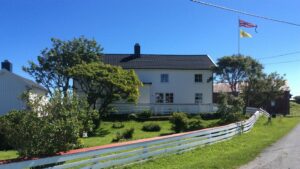
Nerstua Guesthouse- accommodation on Selvær in Træna
In the charming house Nerstua, on Selvær — at the outer edge of the Helgeland coast — you’ll find peace and a place to truly unwind. In this special island community, you can stay close to nature and the sea, and rest well between your big and small adventures.

Herøydagan
Cultural festival in Herøy
June 2027
A traditional cultural festival in Herøy, where people meet and memories are made.

Havkanten Guesthouse – Restaurant and accommodation
At Havkanten Restaurant, you can combine a delicious dinner with a spa and sauna on the pier, a sunset RIB adventure, or a wine tasting featuring local flavours.
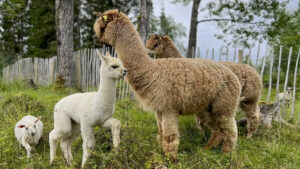
Experiences with alpacas at Straumen Gård
Enjoy calm and atmospheric alpaca experiences at Straumen Gård. Choose between different activities that combine forest walks with lunch or yoga.
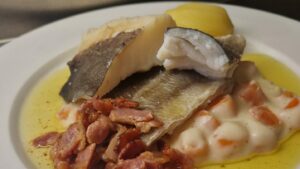
Boknafisk and rhubarb pie in historic surroundings
Experience a taste of Helgeland’s history at Handelsstedet Forvik, with traditional boknafisk, homemade rhubarb pie, and a relaxed atmosphere around the table in a living historic trading post along the Coastal Route.
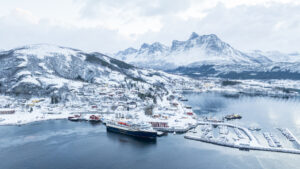
Ørnes Hotel
Ørnes Hotell offers comfortable accommodation in the heart of Helgeland’s stunning coastal landscape. With easy access to both nature and local experiences, it’s the perfect base for your journey.
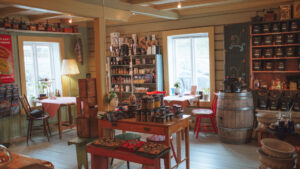
Krambua Café in the coffee roastery at Forvik Old trading post
Nestled between the sea and history, along the Coastal Route in Vevelstad, you’ll find Forvik old trading post — a living tribute to Northern Norwegian coastal culture and one of Helgeland’s most charming roadside stops. Here, you can visit the cosy café, shop, and coffee roastery in the old general store, and enjoy a moment of rich aromas and flavours in a truly historic setting.
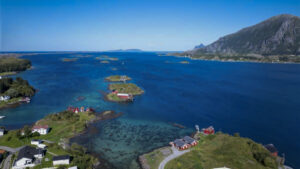
Lurøy Rorbuer
Enjoy long, bright summer days or a beautiful winter visit to Onøy and Lurøy. Experience island life, coastal culture, and scenic hiking areas. Go kayaking in the sheltered archipelago, visit neighbouring islands like Lovund, Træna, and Hestmannøy — and end the day with the evening sun by the pier or a quiet moment in the sauna.
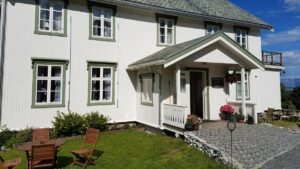
Vevelstad Gjestegård and Rorbuer
Vevelstad Gjestegård offers bed and breakfast accommodation in historic surroundings, located near the center of Vevelstad, a small municipality just north of Brønnøysund. The guesthouse serves homemade local traditional food and has a farm shop in the storehouse.
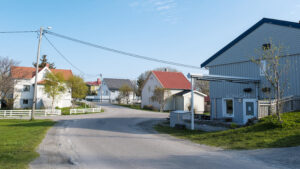
Aloha Cafe on Træna
Aloha Cafe, nestled in the heart of Høusøy in Træna, offers a delightful cafe experience with a touch of island charm. With it’s central location it’s just a short walk from the express boat and ferry terminals, the church, tourist information center, grocery store, Træna Accommodation, and House by the Sea.
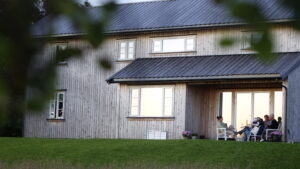
Lille Herstrand – Beachfront holiday home
Lille Herstrand is a modern holiday home just meters from the sea, located in Meløy at the northern end of the Helgeland Coast. Here, you can enjoy nature and the peaceful surroundings, perhaps from a kayak or boat?
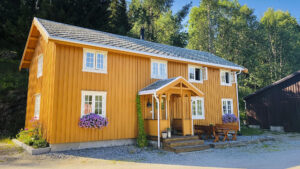
Bakarstuo – Year-round guesthouse by Trofors
Stay in an authentic log house from 1860 on the banks of the Vefsna River.
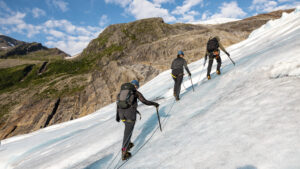
Glacier hike on Svartisen with Explore Svartisen
Join an adventurous glacier hike on the Engabreen glacier tongue in Svartisen, Meløy. The tour is available both during the day and under the midnight sun.
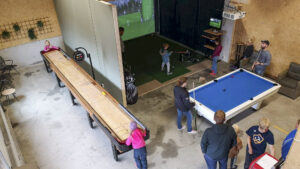
Kvarøy activity hall
Activity hall with shuffleboard, billiards, golf and hunting simulator, and much more fun for the whole family!
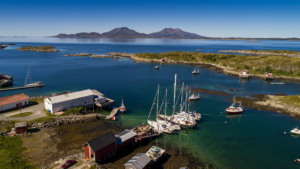
Activity vacation on Ylvingen
This is the four-day vacation you need, with accommodation, meals, and activities on the beautiful ‘Himmelblå Island’ Ylvingen.
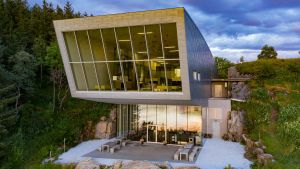
The Petter Dass Museum
At Alstahaug you will find a museum and a church that highlight centuries of the cultural and architectural history of Northern Norway. Moreover, the area is rich in cultural monuments and is a popular hiking area for both locals and tourists. The Petter Dass Museum and Alstahaug were chosen as Nordland County’s venues to celebrate the dawning of a new millennium.
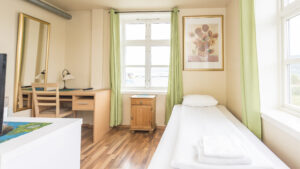
Toranes Overnatting
At Toranes Overnatting, you stay just outside Mo i Rana city center, with easy access to the city’s restaurants and cafés, parks and shops, science center, water park, cinema, and more.
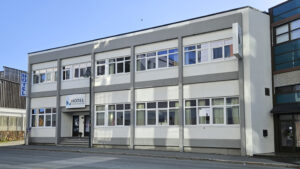
Hotel Svartisen – Apartment hotel in the middle of Mo I Rana
At Hotell Svartisen, you can stay close to everything Mo i Rana has to offer, within walking distance of parks and shopping centers, restaurants and cafés, a science center, and a museum
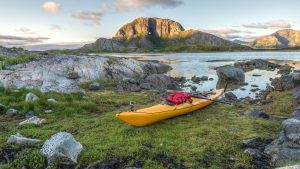
Brønnøysund Kajakk- courses and rental of kayaks and SUPs
Brønnøysund Kajakk has everything you need to explore the beautiful sea areas and islands around Brønnøysund, whether you want to do it with a kayak or SUP.

The Coastal gem Brønnøysund – cycling and the mystery of Torghatten
Experience Brønnøysund from the saddle and get to know the iconic Torghatten mountain – the famous hole through the rock that has fascinated travellers for generations. This package combines town life, nature and activity in a way that offers a genuine introduction to the Helgeland coast.
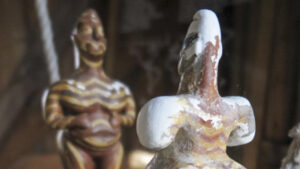
Fertility Exhibition at Fallosen on Dønna
At Glein on Dønna, you can see Northern Europe’s largest marble phallus and take a tour of the Fertility Exhibition, a collection of fertility symbols from around the world dating back 25,000 to 30,000 years.

Lamesa – The taste of Asia in Helgeland
Lamesa Asian Fusion combines Asian dishes with Norwegian ingredients for a delightful culinary experience. The restaurant is located next to Kulturbadet and Scandic Syv Søstre in downtown Sandnessjøen, making it perfect for a night out with friends, a quiet evening with your partner, or a dinner with the whole family.
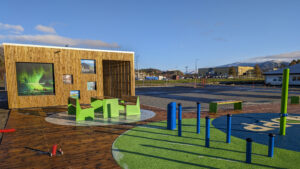
Electric car chargers from Lad Opp
At the excellent charging stations provided by Helgeland Kraft, you can recharge both your and your car’s batteries. Your car’s batteries can be charged with renewable hydropower, while you can recharge with experiences in beautiful nature.
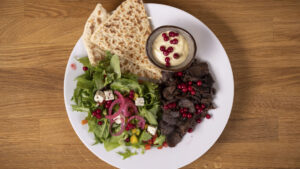
South Sámi food experiences at Aernie
Join an authentic South Sámi food experience with either an outdoor lunch or a three-course dinner hosted by Toamma and Anne Berit at Aernie. In a warm and relaxed setting by the river, guests are introduced to South Sámi food traditions and culture through shared meals and personal storytelling.
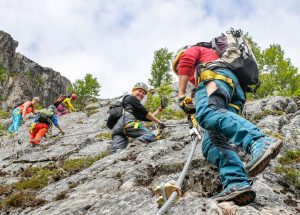
Rafting and Via Ferrata – active summer days around Mosjøen
This package combines rafting in Trofors with Via Ferrata and the spectacular Helgeland Staircase in Mosjøen. It is a great option for families and holiday travellers looking for a few active and varied days in the heart of Helgeland.

Løyle Farm – Petting Farm with alpacas, horses, dogs, and goats
At Løyle Farm, the whole family can meet farm animals such as horses and alpacas, goats and sheep, and of course, the loyal farm dogs. In the farm’s small play park, children can play and have fun, while adults can relax and enjoy country life with a cup of coffee.
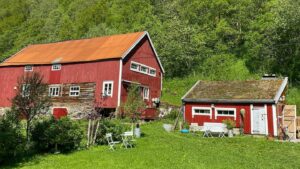
Myrvoll Kulturgård – traditional food, art and time to slow down
In Kilvika along the Coastal Route in Meløy, where rugged coastal nature meets modern industry, you’ll find Myrvoll Kulturgård – a small farm from the early 1900s, carefully preserved and given new life. Here, visitors are invited to experience traditional food, art and local history in a setting where the pace is a little slower.
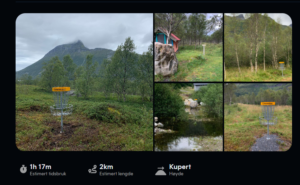
Disc golf in Aldersundet
12-hole disc golf course in hilly woodland in scenic Aldersundet

Velfjord Camping & Hytter
In peaceful and natural surroundings in Velfjord, Velfjord Camping & Hytter offers a place for guests seeking quiet, genuine outdoor experiences, and plenty of space in an idyllic farm setting.
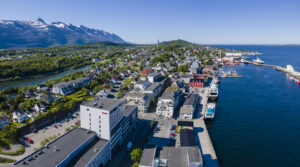
Explore Sandnessjøen town centre with an audio guide – a cultural and historical walk
Sandnessjøen and Alstahaug have a rich cultural history, from Sigrid at Sandnes and Petter Dass to a lively harbour industry and its role as a base for the oil and energy sector. This audio guide takes you through the centre of Sandnessjøen, introducing sculptures and sharing stories from the Viking Age to today.

Wilderness rafting in Auster-Vefsna – an exciting expedition with an overnight stay in the wilderness
Join a unique wilderness journey through the Auster‑Vefsna Nature Reserve – one of Helgeland’s most untouched and dramatic river landscapes. Experience the feeling of exploration as the river carries you through old-growth forest, narrow gorges and powerful rapids, while you and your guide navigate the raft through the wide and varied landscape.

Geo Bike Brønnøysund
Discover Trollfjell Geopark at your own pace. Geobike Brønnøy is a self-guided cycling route through the varied landscapes of Trollfjell Geopark.
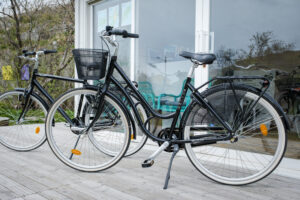
Rent a bike at Træna
At the Træna Tourist Office on Husøya, you can rent bicycles to explore the beautiful island.
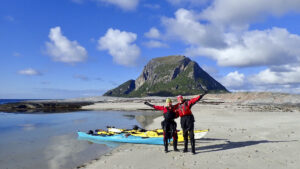
The kayakers paradise at Støtt
From Støtt, you can paddle in the beautiful and sheltered archipelago of Støttvær or indulge in the thrill of surfing waves and breakers along the open coast. Join a course, embark on a guided tour, or rent a kayak of your own.

Restaurant Gammelbutikken at Støtt – authentic local seafood
Restaurant Gammelbutikken is Støtt’s grand locale and exudes authentic coastal culture. Here, you can taste the best that the island and the sea have to offer in terms of local culinary treasures. They follow the entire value chain, from harvesting ingredients in the island’s natural surroundings and catching fish in the Vestfjorden, to serving it in the restaurant.
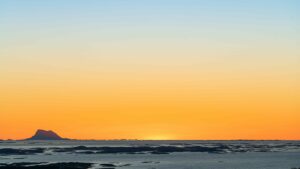
Sailing adventures with Nordvær
Nordvær on Seløy can give you a diverse range of activities and experiences with their modern sailing catamaran as your base. You can choose between kayaking, freediving, hiking, skiing, and culinary experiences while enjoying the breathtaking views of the Norwegian landscape.
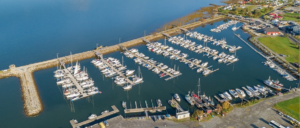
Nesna guest harbour
Nesna Guest Harbour is beautifully located in the heart of this welcoming fjord village, with easy access to the island communities along the Helgeland coast. The harbour offers a modern guest pier with electricity, fresh water and internet, as well as access to a service building with showers, a washing machine, kitchen facilities and more.
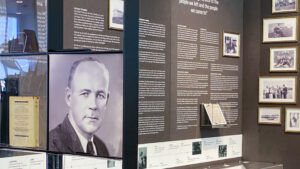
Exhibition: The Life and Work of Ole Edvart Rølvaag
Ole Edvart Rølvaag emigrated from Dønna to the USA in the late 1800s. There, he wrote several novels about emigrating from Norway and being an immigrant in the USA during that time. At the Dønna exhibition, you can learn more about the author’s life and work and see the complete collection of Ole Edvart Rølvaag’s first editions.

RiverNorth – Glamping and camping
At RiverNorth, there’s room for both families and adventurers – whether you’re travelling with a motorhome, tent or hammock, just passing through or exploring the area.

Trixie restaurant
With its beautiful location between the Vefsna river and the E6, just outside the mountain village of Trofors, Trixie is both scenic and convenient for travellers, locals, hikers and larger groups.
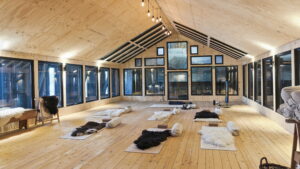
Yogalåven at Dønna
Yogalåven at Dønna is a calm, nature-based place for yoga, courses and retreats. It offers experiences that combine movement, breath and stillness in a unique setting close to both sea and mountains.
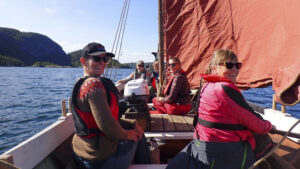
Sailing with the Nordland boat Faragut
Join the sailing trip on the beautiful Nordland boat Faragut and experience Helgeland from the sea just as people here have done since the Viking Age. The Nordland boat is an open, low, and sturdy wooden boat that has its roots all the way back to the Viking ships, and it’s an experience to stand at the helm when the wind fills the sail.
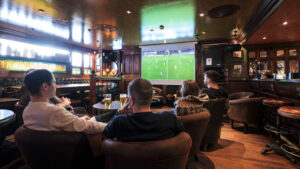
Onkel Oskar – Pub, Food, and Beer Tasting
Step inside Onkel Oskar, where new faces are met with the same warm hospitality as the regulars. Here you can enjoy hot meals and cold drinks, live sports on the big screen, and a relaxed, friendly vibe. Or join in on the monthly beer tasting, where you can explore new flavours from a well-stocked and varied selection.

Guided kayak tour in Herøy
Join us for a guided tour of some of the finest kayaking areas in all of Helgeland.

Guided island hopping by bike to Dønna and Herøy
Take a guided bike ride from Sandnessjøen to the scenic islands of Dønna and Herøy, with stops at charming cafés and unique local shops along the way.

The Coast Coffee
At the coffee roastery The Coast Coffee at Lovund, the lively coastal culture and urban coffee culture meet at their best. Here you can enjoy an exquisite cup of coffee in what is the island’s own coffee bar and roastery, with a great atmosphere by the sea.
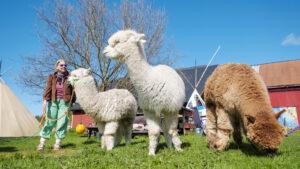
Humlehagen Kulturgård – Farm experiences, animals and accommodation
At Humlehagen Kulturgård, visitors can enjoy a variety of farm experiences alongside the many animals, surrounded by a calm and rural setting. Meet the horse and the llama, alpacas, ducks, pigs and other animals, and experience the sense of ease that comes from a place shaped by nature and the rhythm of the seasons.
Terråk Gjestegård – Comfortable Accommodation and Good Food in Bindal
At Terråk Gjestegård, guests can stay in comfortable rooms and enjoy dinner at the in-house restaurant Færingen Spiseri – all within easy reach of the many experiences Terråk and Bindal offer, from the fjords to the mountains.
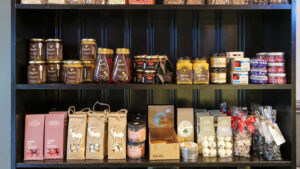
Local food in Sømna
The shop at Sømna Kro og Gjestegård is stocked with cheese and honey, liquorice and spices, ketchup, dressings, and much more from local food producers.
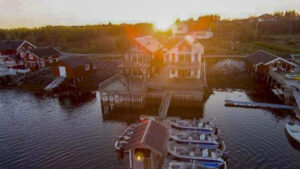
The Seaside House on Dønna
Here you can enjoy your holiday in true Helgeland style, with coastal life, striking scenery, and activities right outside the door. The house is spacious and well equipped, with a high standard throughout, a large outdoor area, and a generous terrace. A sauna is included for extra comfort.
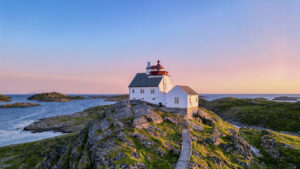
Your own island adventure at Myken Lighthouse
In 1918, a lighthouse was built on the fishing village of Myken, far out towards the open sea. It was guarded and cared for by a lighthouse keeper, his wife, their five children — and a cow. In 1975, the lighthouse was automated, and in 2018 it was beautifully renovated by Eventyrlig Oppussing (a Norwegian home renovation TV show). Today, you can stay here and experience the unique atmosphere of having your very own small island on the Helgeland coast.
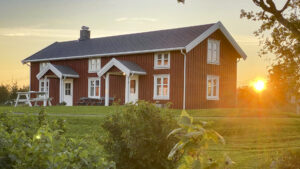
Cosy farmhouse stay at Stavseng Gård
Stavseng Gård is located in the northern part of the long, narrow island of Dønna. Here, you can rent a self-catering accommodation and experience life in the rural village of Stavseng.

Øksningsøya – Cozy cabin getaway
Stay in peaceful surroundings in a private cabin on Øksningsøya, just a short boat ride from Terråk.
Arctic Freediving and kayaking in Træna
Dive below the surface and discover Træna’s beautiful underwater landscapes. In crystal-clear waters, among forests of kelp and sandy seabeds, you’ll encounter vibrant marine life — schools of fish weaving through the kelp, scallops and flatfish resting on the sand, and much more. Whether you want to freedive, snorkel, or paddle between the islands, you’ll find both equipment and experiences available at Kranberget on Husøy.
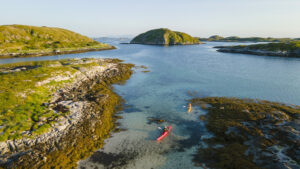
Kayak and bike rental in Herøy and Sandnessjøen
Herøy is an ideal destination for kayaking enthusiasts. Its stunning islands, skerries, and scenic shorelines provide an excellent opportunity to experience nature at its best. Herøy Kajakk & Sykkel offers a wide range of options for both land and water explorers. You can rent kayaks, e-bikes, and SUP boards to embark on your own adventure, or join a guided paddling tour led by experienced kayakers to explore the island.

Bitteliten Gård – A peaceful island farm experience
Slow down and find peace among the friendly animals at Bitteliten Farm, located on Handnesøya just off Nesna.
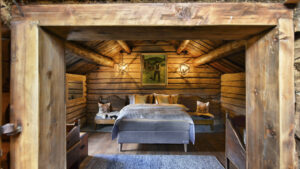
Inderdalen Gård – Charming farm stay with rich history
Nestled at the foot of Okstindan in Hemnes Municipality lies a treasure trove of a mountain farm dating back to the 1600s. At Inderdalen Gård, you can spend the night in Kjellerhuset and immerse yourself in the rich cultural history of the farm while enjoying the hospitality of its fantastic hosts in scenic surroundings.
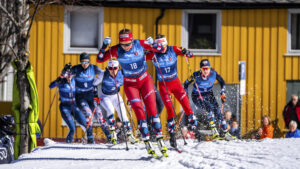
Bysprinten ski festival
Sports event in Mosjøen
April 2027
Bysprintent in Mosjøen is a festive ski race, where world-class athletes, local stars, and promising talents ski together through the center of Mosjøen. With a focus on skiing joy and good sportsmanship, accompanied by music, a great atmosphere, and packed venues, Bysprintent always provides an excellent reason to visit Mosjøen.
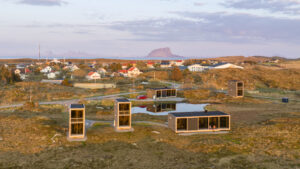
Volunteer Tourism on Træna
Now you can become a volunteer tourist on Træna and receive free accommodation at House by the Sea in exchange for participating in volunteerism – contributing and becoming a part of the local community.
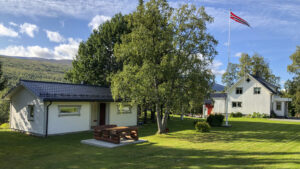
Møteplass Børgefjell
Møteplass Børgefjell is beautifully situated in Susendalen, on the doorstep of Børgefjell National Park. This is a wild and beautiful natural area with nearly endless opportunities for active outdoor life, whether you want to fish or hunt, hike in the mountains, paddle a canoe, or go skiing and ski touring.
Gateway to Northern Norway – souvenir shop & fast food
Begin your journey through Helgeland with a good meal and a visit to the shop that has everything you need for the adventures awaiting you in Northern Norway.

Savory farm food from Vega
At Stavsmarken Gård you will find a small farm shop with delicious homemade cured meats and meat products. You can also visit the café, which is open during the summer, where you can taste all the good things the farm has to offer or order a picnic basket to enjoy outdoors.
Kulturbadet in Sandnessjøen
With a swimming pool, cinema, library, and theater all under one roof, Kulturbadet in Sandnessjøen offers activities for the whole family and then some!
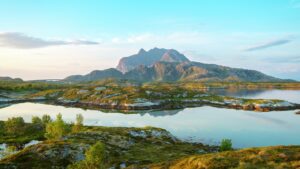
Dønnamannen and kayaking in Herøy – three days among the islands of Helgeland
Experience three rewarding days among the beautiful islands of Helgeland. This package combines a spectacular hike to Dønnamannen, peaceful evenings by the sea, and a guided kayaking tour in the scenic Herøysundet – the perfect blend of mountain adventure and coastal tranquillity.
Velfjord Panorama Caravan Camp
Consider a stay at Velfjord Panorama Caravan Camp, situated right on the sea in beautiful surroundings!Here you can really feel the energy of the natural elements, and enjoy the summer sun all evening. You can go fishing, take a boat trip, hike the mountains, go bicycling or kayaking, and relax with sweet dreams in your cosy rooms.
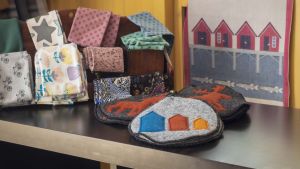
Kråkeslottet – Unique woollen design at Hemnesberget
The apparel store Kråkeslottet in Hemnesberget is an attraction in itself. They offer handmade woollen garments of their own design that are produced right in the store. This includes beautiful wool coats, dresses, lovely items for babies and toddlers, and clothes that will keep you warm on your hikes and outdoor adventures.

Huset i Gato
Huset i Gato is a modern gathering place where wine, food, and a sense of connection come together in a warm and lively atmosphere. The idea is to create a home away from home – a place where guests feel welcome, noticed, and inspired.

Kayaking on Engabrevatnet beneath Svartisen
Experience a rare opportunity to paddle right up to Engabreen, one of the most impressive outlets of the Svartisen glacier. This trip brings you close to glacier ice, clear meltwater, and steep mountains in a landscape that feels both raw and quiet at the same time.
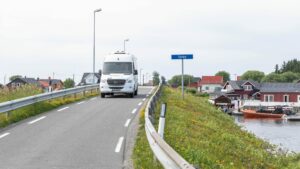
Experience all of Helgeland with Helgeland Travel Service
Helgeland Travel Service (HTS) will gladly take you on a tour to Helgeland’s many attractions. Whether we explore the coast or inland tracts, on a clear summer day or a day with mist and rain, all of our excursions will show you the magnificent landscape of Helgeland.
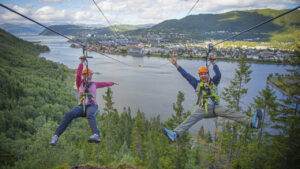
Mosjøen Zip-line
At the heart of Nordland County, in the geographic middle of Norway, is the friendly town of Mosjøen. On Storfjellet, right near Øyfjellet just outside town center, is Northern Norway’s most spectacular zip-line.

Hike and History with Explore Svartisen
This guided walk from Engen Brygge gives insight into the natural and cultural history around Engenbreen. The route follows varied, rocky terrain with a steady ascent and offers clear views of the glacier, without stepping onto the ice.
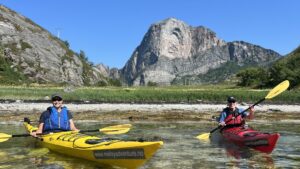
Kayaking at the Foot of Rødøyløva – Guided Tour with Meløy Adventure
Join a guided kayak trip in the area around Rødøyløva. The tour offers a close-up experience of the island’s beaches, small bays, and steep rock formations, with Rødøyløva as an impressive backdrop.

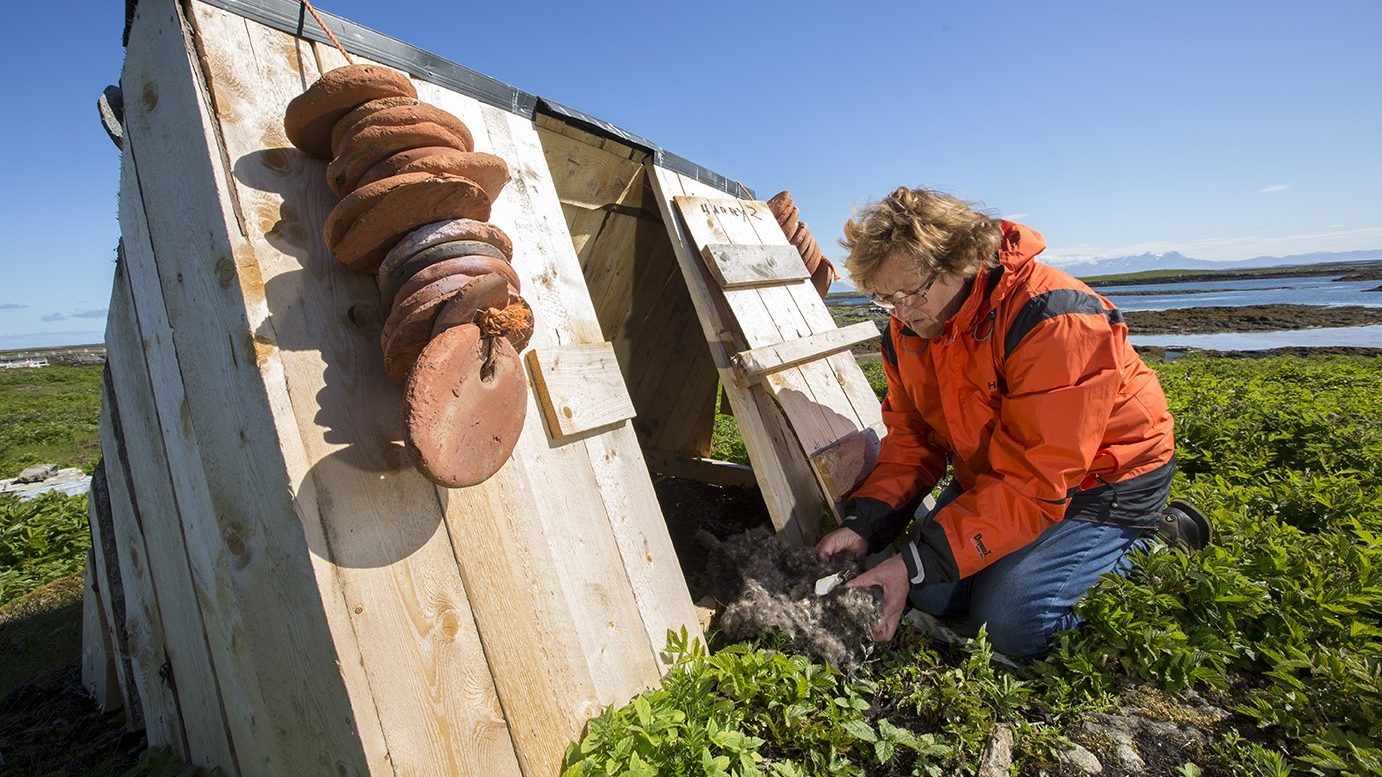
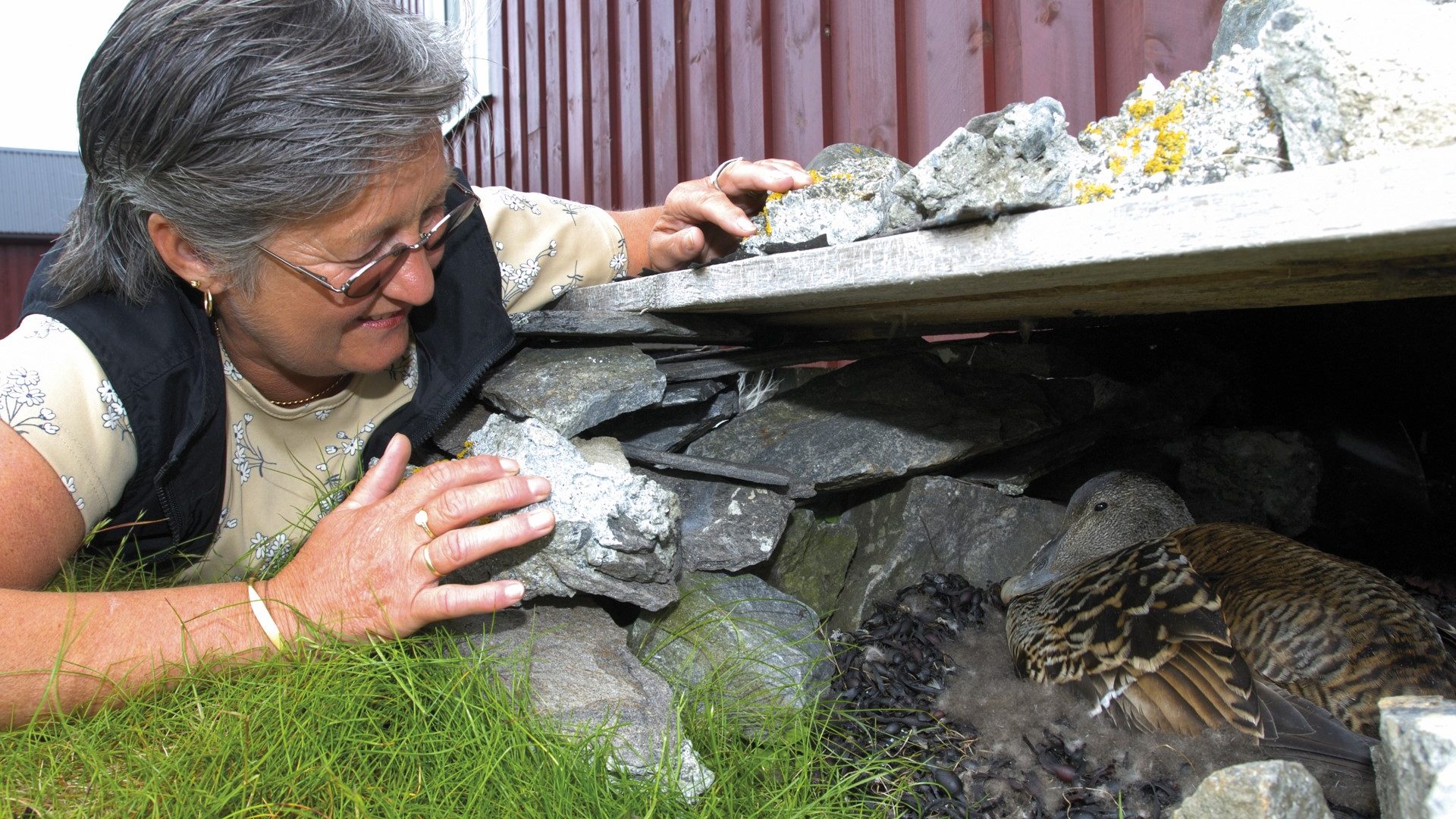
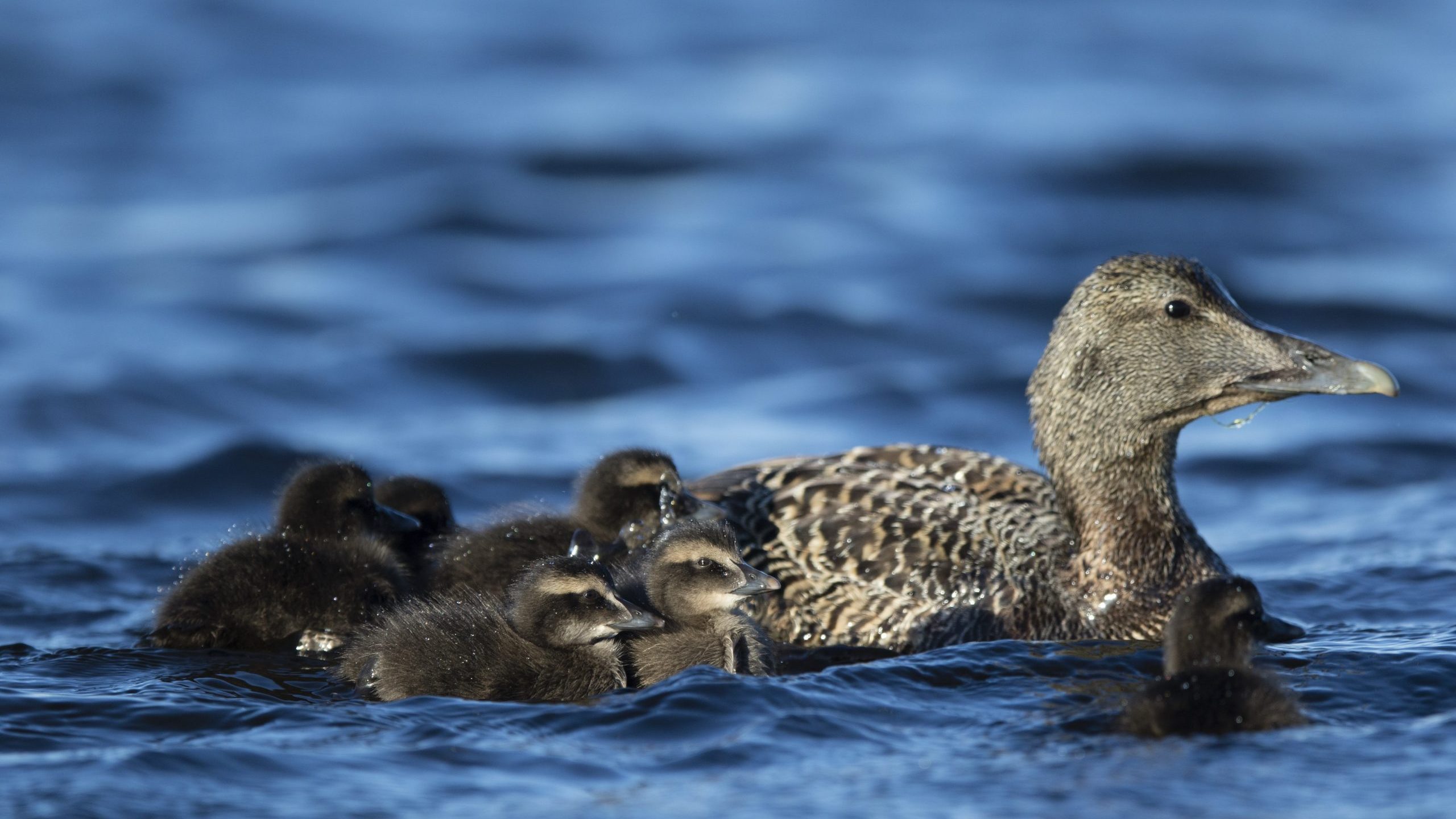
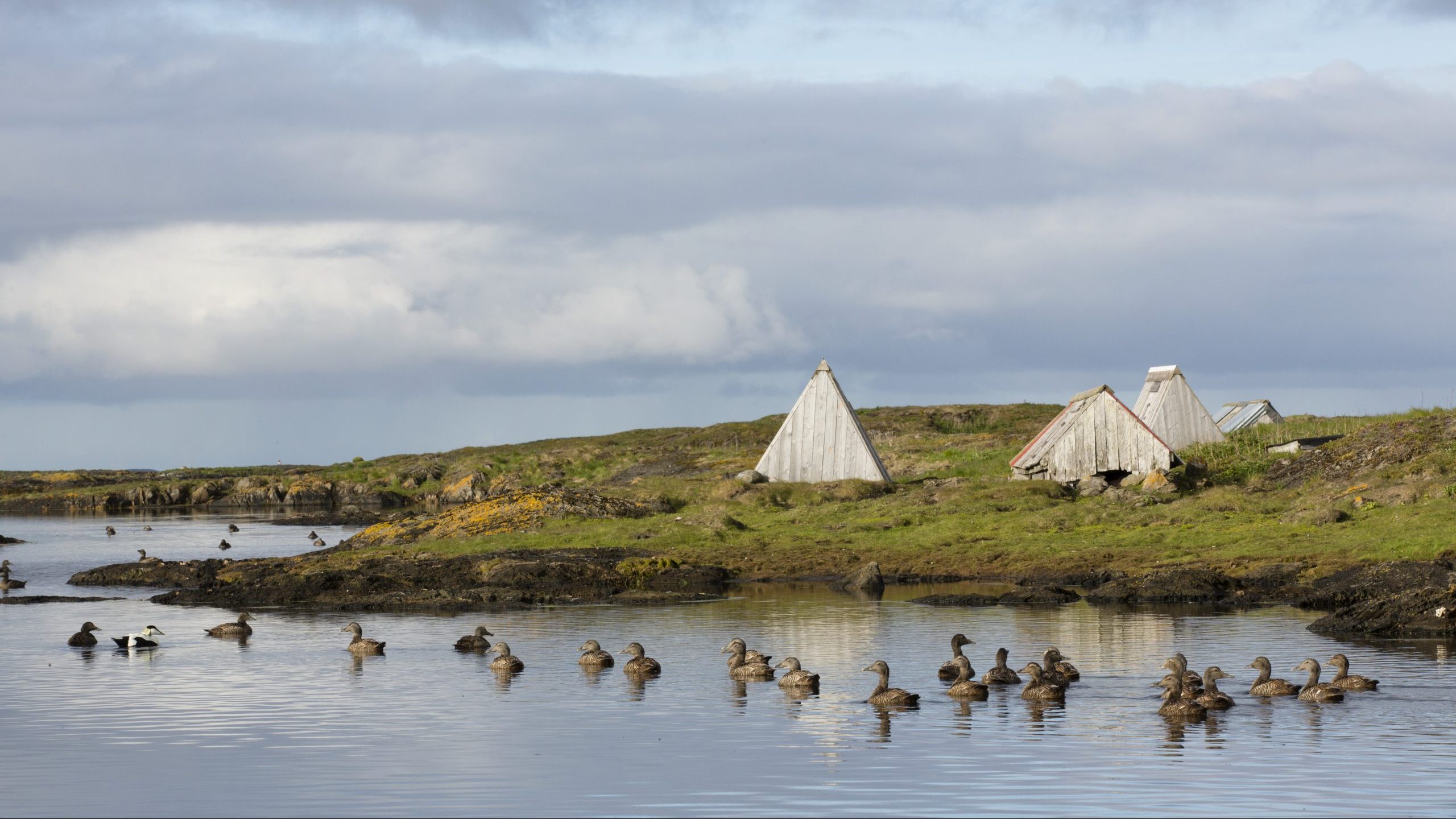
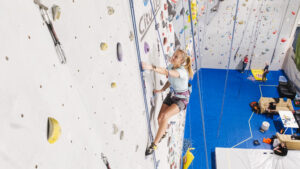
Stupbratt Klatreklubb – Climbing hall in Brønnøysund
Test your climbing skills, challenge yourself and each other, and reach new heights at Stupbratt Klatreklubb’s climbing hall. With over 60 routes in all difficulty levels, auto belay, a bouldering wall, and a Kilter Board, there’s something for everyone—regardless of age or experience.
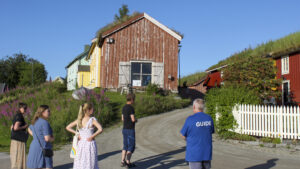
Guided city walk in Mo i Rana
Join a guided city walk and hear the story of life just below the Arctic Circle, at 66 degrees north.
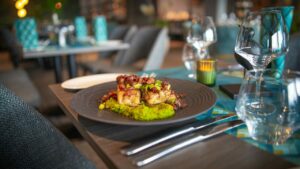
Alo Restaurant
Welcome to an authentic taste of Helgeland, served in a warm and relaxed setting.
Dinner in the Dark – a different kind of sensory experience
Welcome to an evening where taste, aroma, and sound take center stage – while your sense of sight is completely switched off!
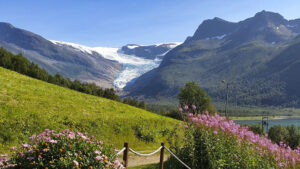
Stay with a view of the stunning Svartisen glacier
Enjoy a memorable holiday at Engen Gård, surrounded by beautiful scenery and overlooking the Engenbreen glacier in Meløy. This location is perfect for couples, families, or groups of friends looking to spend quality time together.
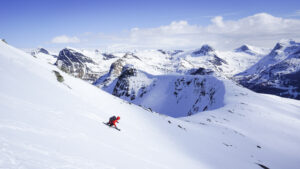
Incredible guided ski tours on the Helgeland Coast
Join MAD Mountain Guides for a dream ski adventure along the stunning and dramatic Helgeland coast. With unique accommodations, untouched slopes, and experienced professional guides, you’ll enjoy a custom-tailored ski vacation like no other.
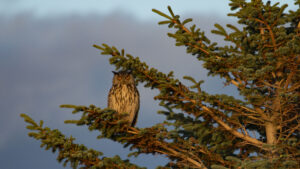
Nature experiences and accomodation in the beautiful Solvær archipelago
At Solværøyan Birds and Beds, you’ll find unique accommodations and rare nature experiences in one of the Helgeland coast’s finest birdwatching paradises. Sleneset is part of the Solvær archipelago.
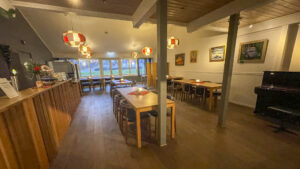
Sømna Kro og Gjestegård
A welcoming inn offering comfort and a taste of local culture in the charming village of Vik, Sømna. Here, you can enjoy a pleasant stay and great food in peaceful surroundings, close to nature and a charming cultural landscape.
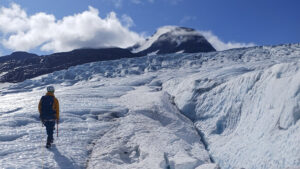
Guided hikes and courses on Okstinbreen
Experience the beautiful Okstindbreen and Oksskolten with MAD Mountain Guides and join exciting glacier tours and courses in a magnificent glacier landscape. At 1,916 meters above sea level, Oksskolten is Northern Norway’s highest mountain and an impressive sight in a wild and beautiful mountain massif.
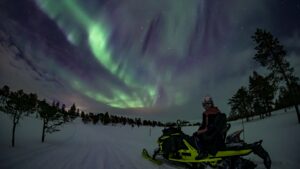
Guided Snowmobile Safari and Northern Lights Hunt
Hi North takes you into the wilderness just outside Mosjøen to the snowmobile trails and excellent lighting conditions. Skilled guides will train you and take you on a fun and thrilling snowmobile safari in spectacular surroundings.
Christmas weekend in Mosjøen
In the first weekend of December, the town of Mosjøen invites you to a warm‑hearted Christmas experience! The friendly town decorates the charming wooden houses of its historic centre with lights, and fills its streets with music and elves. Explore booths where craftsmen and merchants offer their wares, warm yourself by the fire in a lavvo, and dine on traditional Norwegian Christmas fare.
An evening wilderness adventure with a taste of Sámi culture
Come along for a wilderness adventure in Helgeland. With the moon and perhaps the glow of the Northern Lights illuminating our way, and equipped with headlights if needed, Hi North will guide you on a magical adventure!
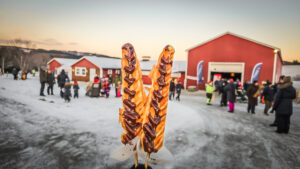
Christmas in the countryside
Christmas Market in Sandnessjøen
December 5th 2026
Join us in the countryside for a day filled with Christmas spirit. Christmas in the Countryside just outside of the cozy coastal town of Sandnessjøen is free for everyone, with activities like a hobby horse course, face painting, horse-drawn sleigh rides, and much more. Maybe Santa will drop by too?
Christmas Market at Rana Museum
Christmas Market at Mo i Rana
November 2026
Get into the festive spirit at Rana Museum’s Christmas Market. Visitors can browse and buy Christmas baking, local food, art, and a range of locally made handmade gifts. There will also be a Christmas workshop for children, and if everyone has been nice, perhaps the farmyard Christmas elf will make an appearance too.
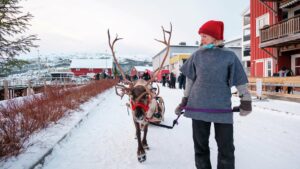
Jul på Berget
Christmas market in Hemnesberget
November 21th and 22nd 2026
In November, it’s once again time for cozy pre-Christmas magic at Jul på Berget. Here you can soak up the authentic local Christmas atmosphere through food, music, and togetherness – and maybe even take care of those last Christmas gifts while you’re at it!
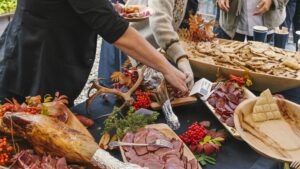
ArktiskMat food festival
Food festival in Mosjøen
September 11th and 12th
ArktiskMat is an annual international food symposium held in the charming town of Mosjøen.