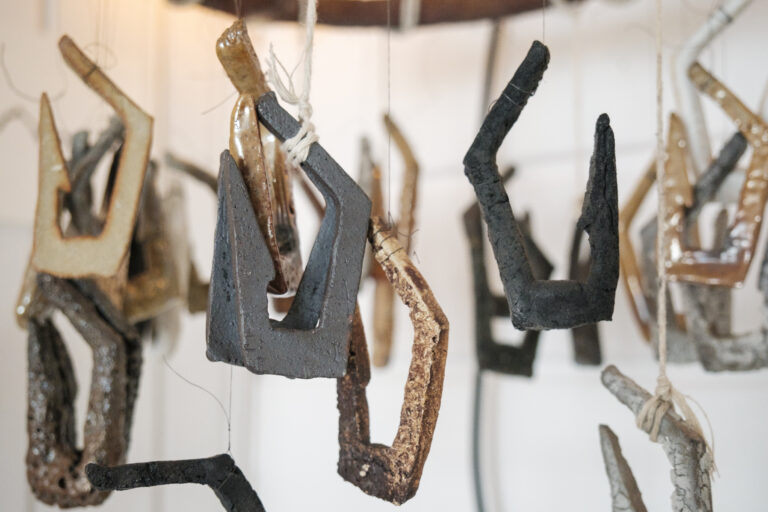
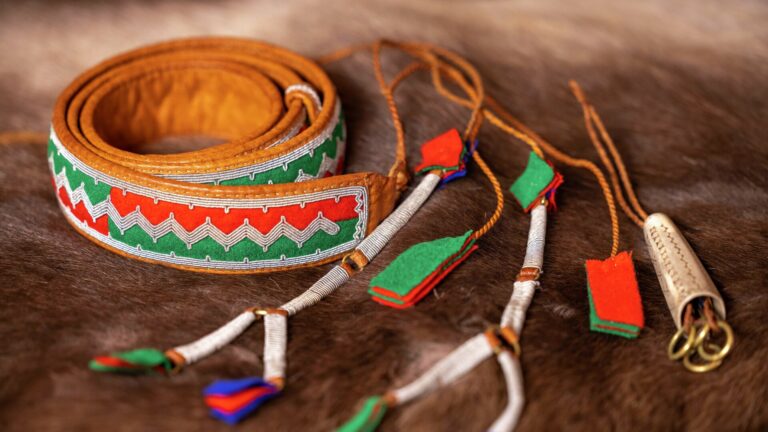
Would you like to gain some fascinating insights about Helgeland? One of the best ways to do so is to visit Helgeland Museum. Actually it’s not just one museum – there are 18 museum facilities spread throughout the region. Each highlights some aspects of Helgeland’s history, cultural heritage or natural history.
These 18 museums, as well as various other worthwhile exhibitions, will give you a deeper understanding of the people who live here, their livelihoods and traditions, and the landscape that surrounds them.
See the museums
Løkta Museum
Be sure to visit Løkta Museum, beautifully located on the west side of the island. Here, you can experience what life was like on a small farm in the old days. The area is open to all and features a picnic area, a fire pit, and a small outhouse.
Grane Museum
Laksforsen nature and cultural gallery tells the history of the Salmon River Vefsna, specifically its use and recreation close to one of Norway’s most fantastic waterfalls. You’ll find the gallery in the lower floor of Laksforsen café, approximately 30 km south of Mosjøen and approximately 8 km north of Trofors in Grane.
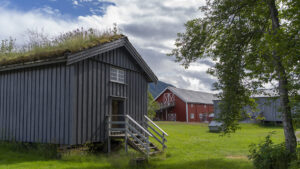
Hemnes open-air museum
Hemnes Bygdetun consists of a beautifully situated farm that can be just glimpsed from highway E6. The farm has a 500 year history, so its buildings and collections offer many insights into how our ancestors, both rich and poor, lived.
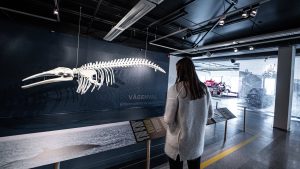
Rana Museum, Stenneset open-air Museum and Bredek Mountain Farm
Rana municipality has a fascinating and varied history, which the exhibitions at MOment, the new museum in Mo i Rana’s town centre, reveals in the form of a multi-sensory experience.In addition, at Stenneset’s open-air museum, you can stroll amongst 20 historic buildings, while the mountain farm at Brenek is a popular hiking destination.
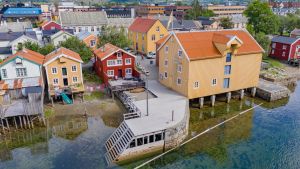
Jacobsenbrygga and the folk museum in Mosjøen
The Vefsn Museum has numerous exhibitions focusing on rural life and urban history at several locations in the town of Mosjøen. You can also join a guided tour of the historical street Sjøgata, which is lined with 19th-century houses.
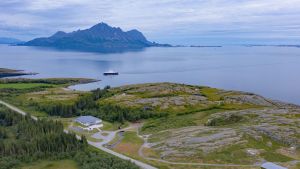
Grønsvik coastal fortress, Lurøy
If you want to see an unusual attraction and gain insights into World War II history, we recommend a visit to the old German coastal fortress at Grønsvik, which is now a museum. As you walk from the attractive parking lot and picnic area, you enter a dark chapter of European history.
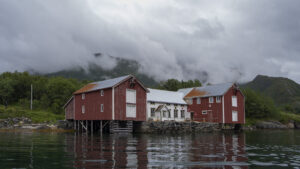
Falch Old Trading Post, Rødøy
Falch Old Trading is beautifully situated on the Tjongsfjord, and it’s just a short detour from the Coastal Highway, Fv17. This trading post has provided many functions through the years: a fish plant, cod liver oil production, fishnet production, country store, doctor’s offices and pharmacy.
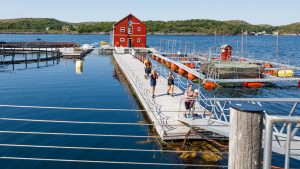
Norwegian Aquaculture Centre – A salmon success story
The Norwegian Aquaculture Centre is beautifully situated by Toftsundet. The actual fish farm is reached by a gangway from the shore. This is the place to learn more about the fascinating life cycle of salmon, and the pioneering work that made Norwegian aquaculture such an international success.
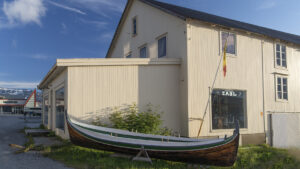
The Zahl building and the old sexton´s residence in Nesna
The main facility of the Nesna Museum is the building that once housed the business of the local Zahl family. This large and stately commercial building, which dates from 1907 and has Swiss-style decorations, has been expanded both in width and towards the rear. Nesna is amongst other things known for “Nesnalobben”, and an exhibition in the museum is dedicated to this footwear.
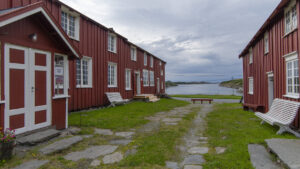
Nordvika Old Trading Post, on Dønna
The old trading post at Nordvika is one of the oldest and most intact in all of Nordland County. The museum is beautifully situated between towering mountains on the island of Dønna, just a ferry ride from its nearest town, Sandnessjøen.