A hiking adventure: Øvre Forsland and Forslandsdalen
 Helgeland Kraft
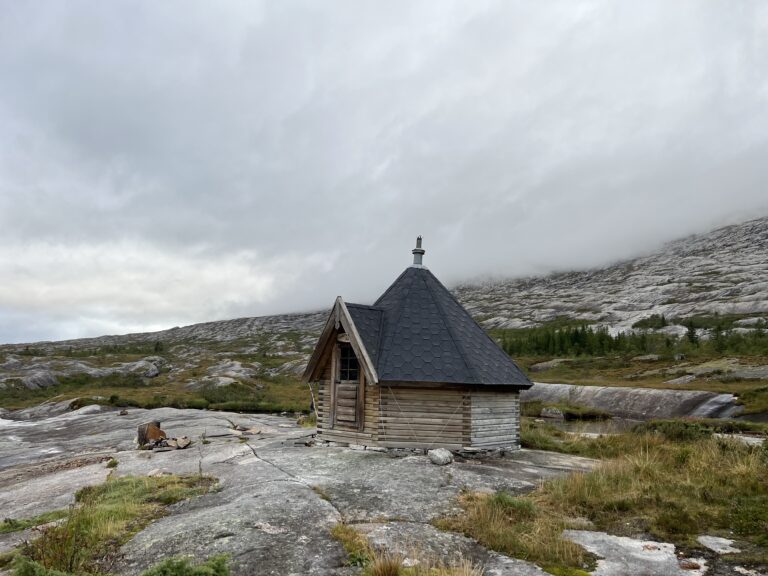
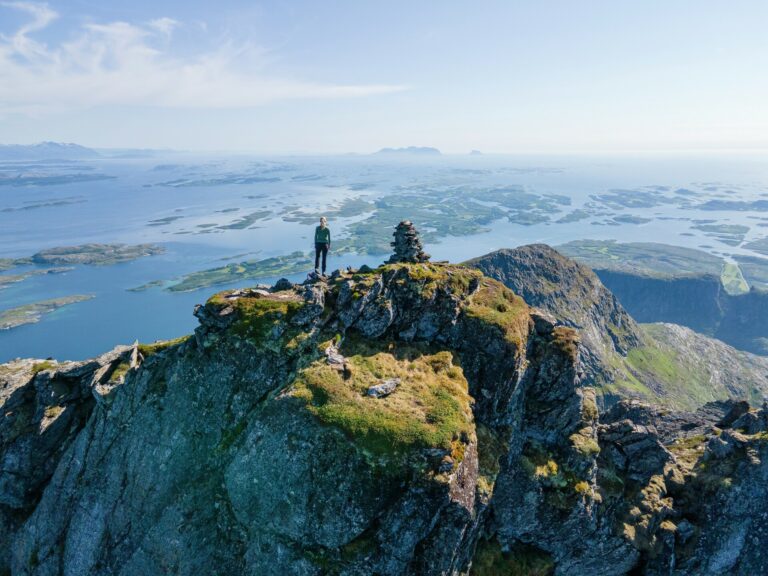
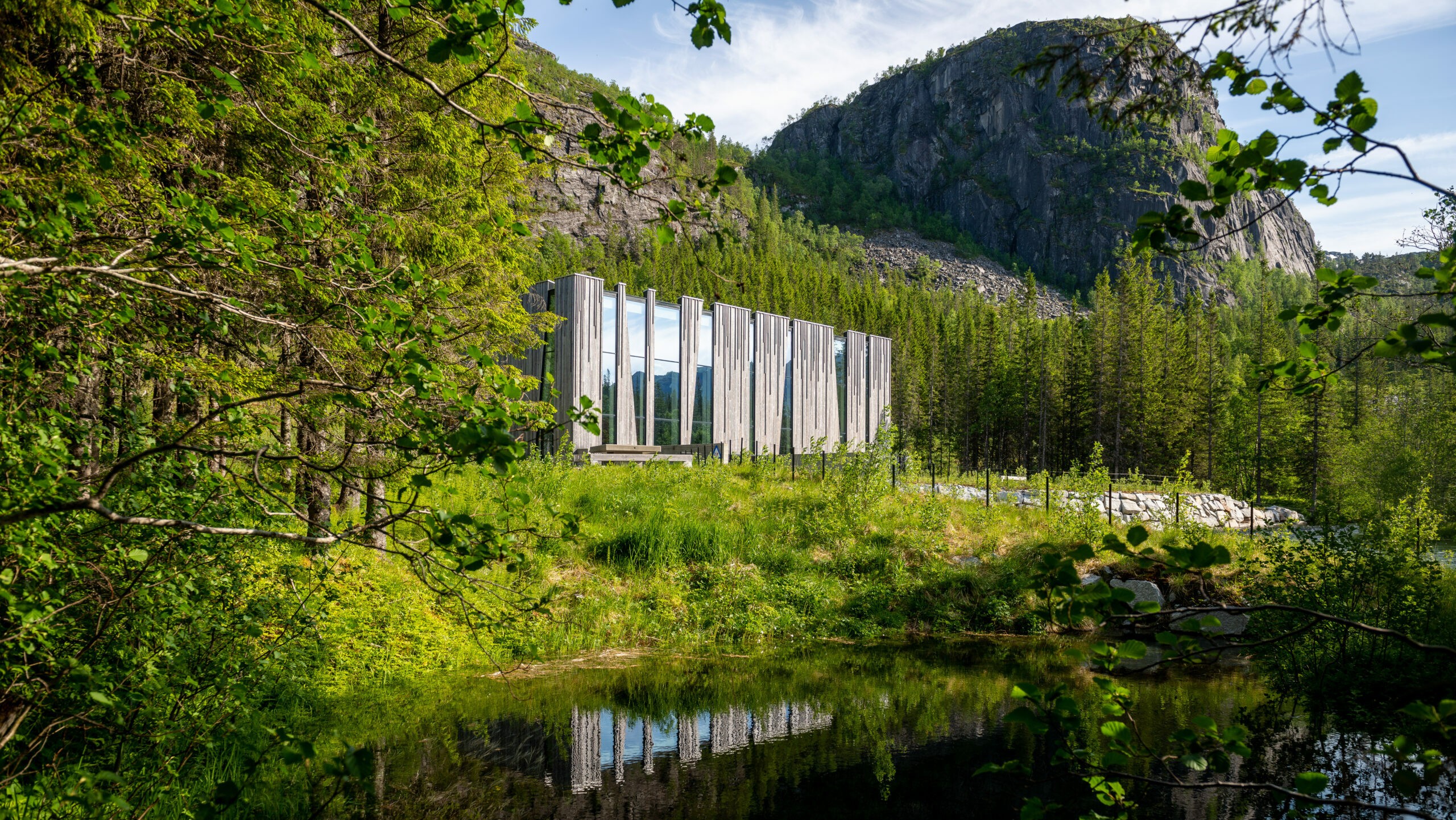
Welcome to Øvre Forsland! In the heart of the beautiful northern Norwegian landscape, where mountains meet the sky in a spectacular display of natural art, lies Øvre Forsland – a treasure waiting to be explored by nature lovers and adventurous souls.
Key info
Difficulty: Easy
Distance one way: Roughly 6 km
Elevation gain one way: about 120 meters
Duration one way: 1-2 hours
Season: Spring-Fall
Trailhead: Parking lot by charging station by Forslandsvatnet
View trailhead on Google Maps
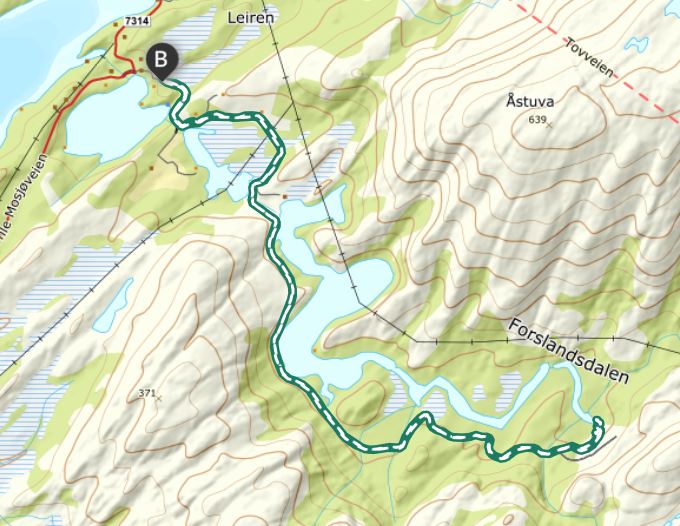
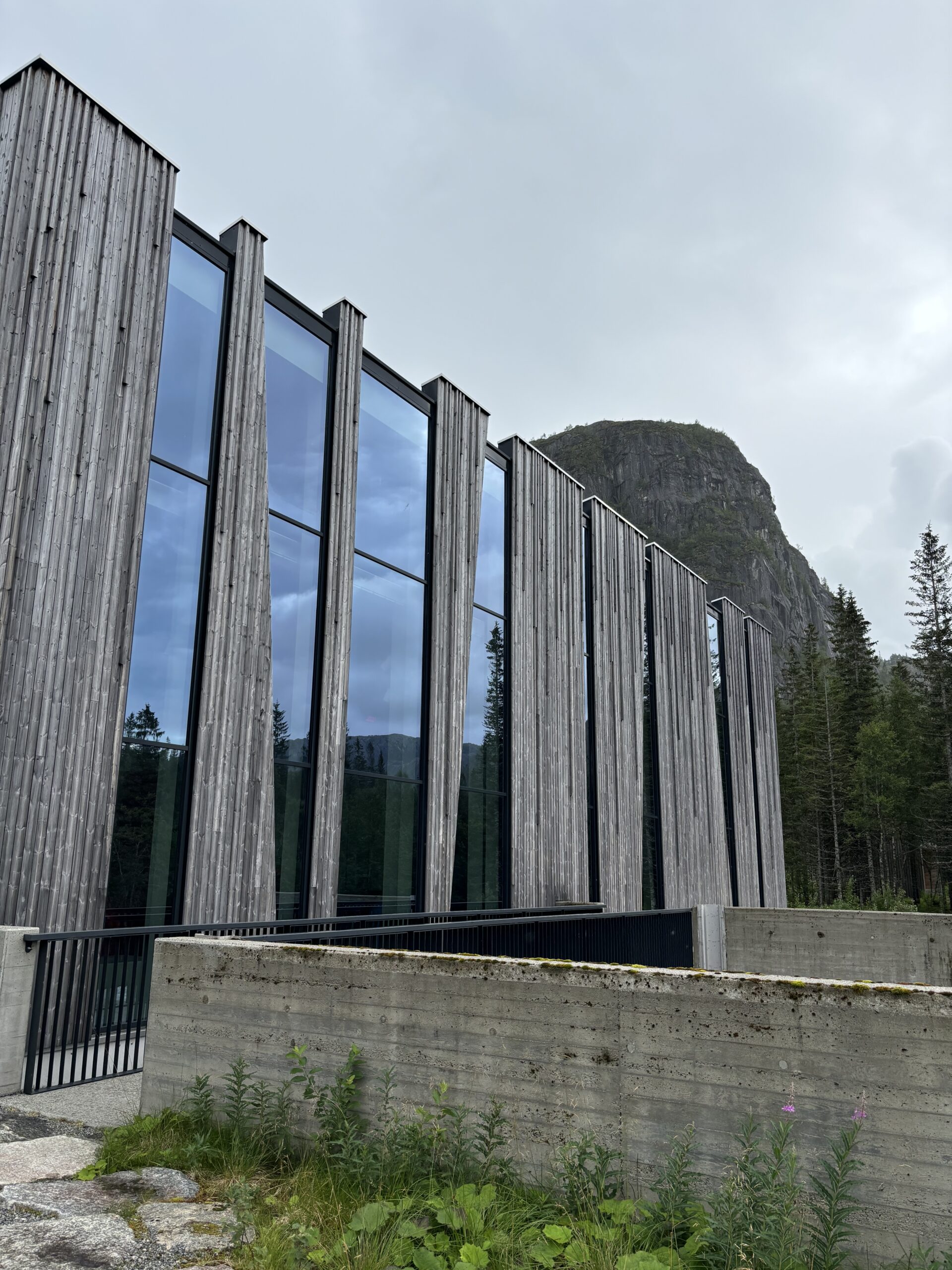
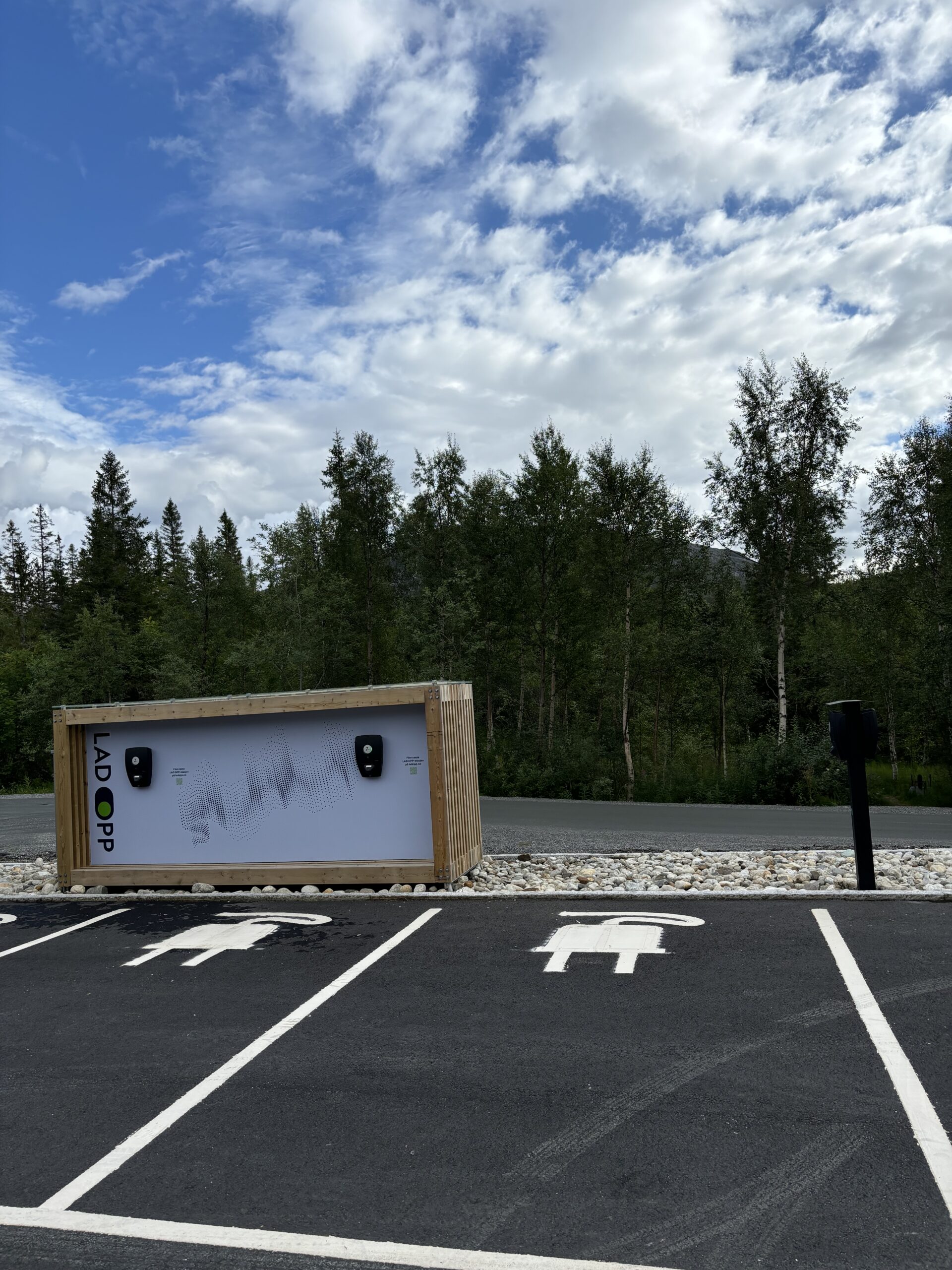
The trip to the facility at the innermost part of Forslandsdalen in Leirfjord municipality is approximately 12 kilometers round trip, and the road up to the power plant is closed to car traffic. The path is a gravel road, making it suitable for walking, jogging, and cycling. The route is hilly with some longer slopes, both uphill and downhill. At the parking lot, several electric car chargers are available, so you can charge your batteries while on the trip.
A trail for everyone
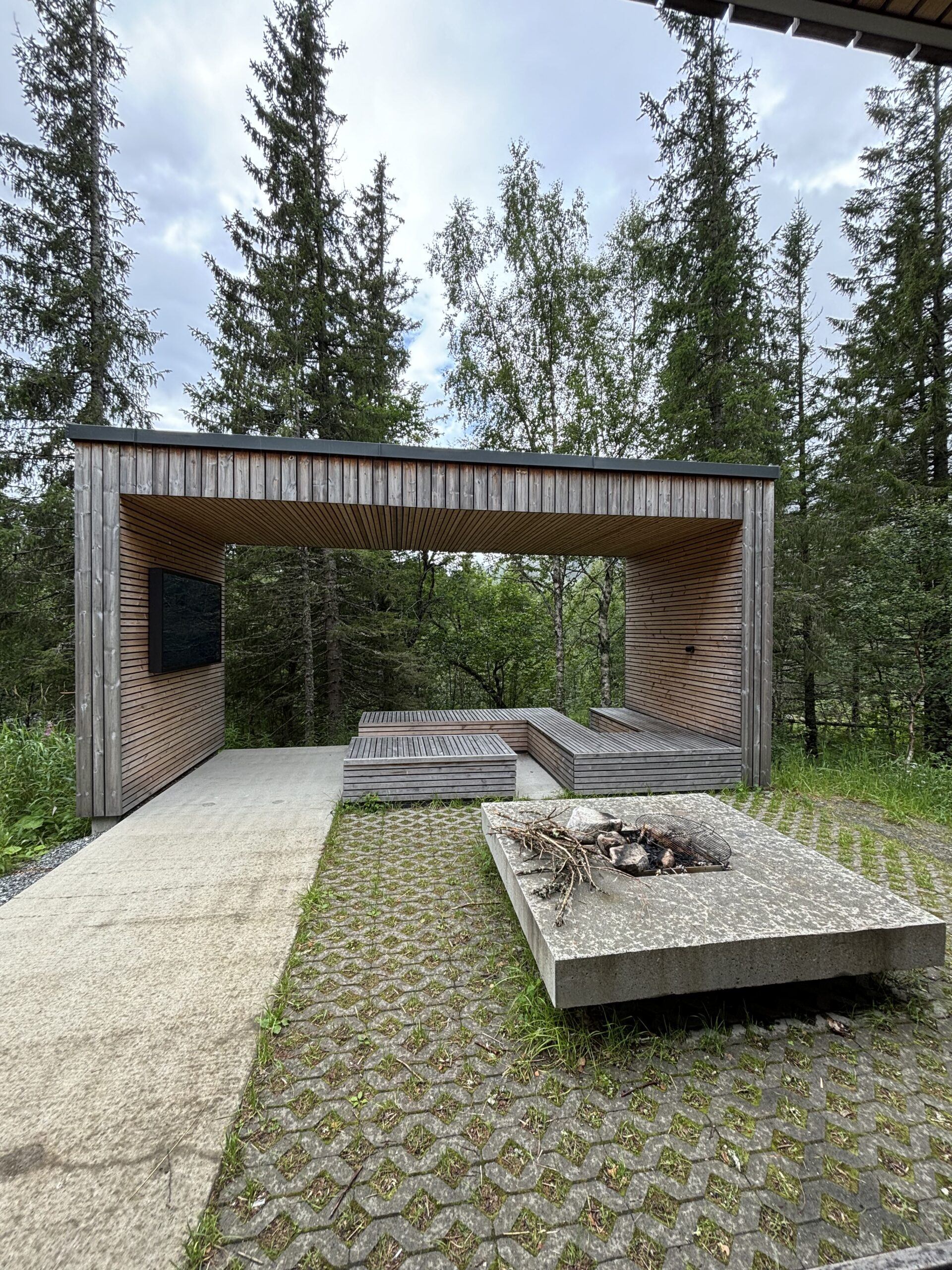
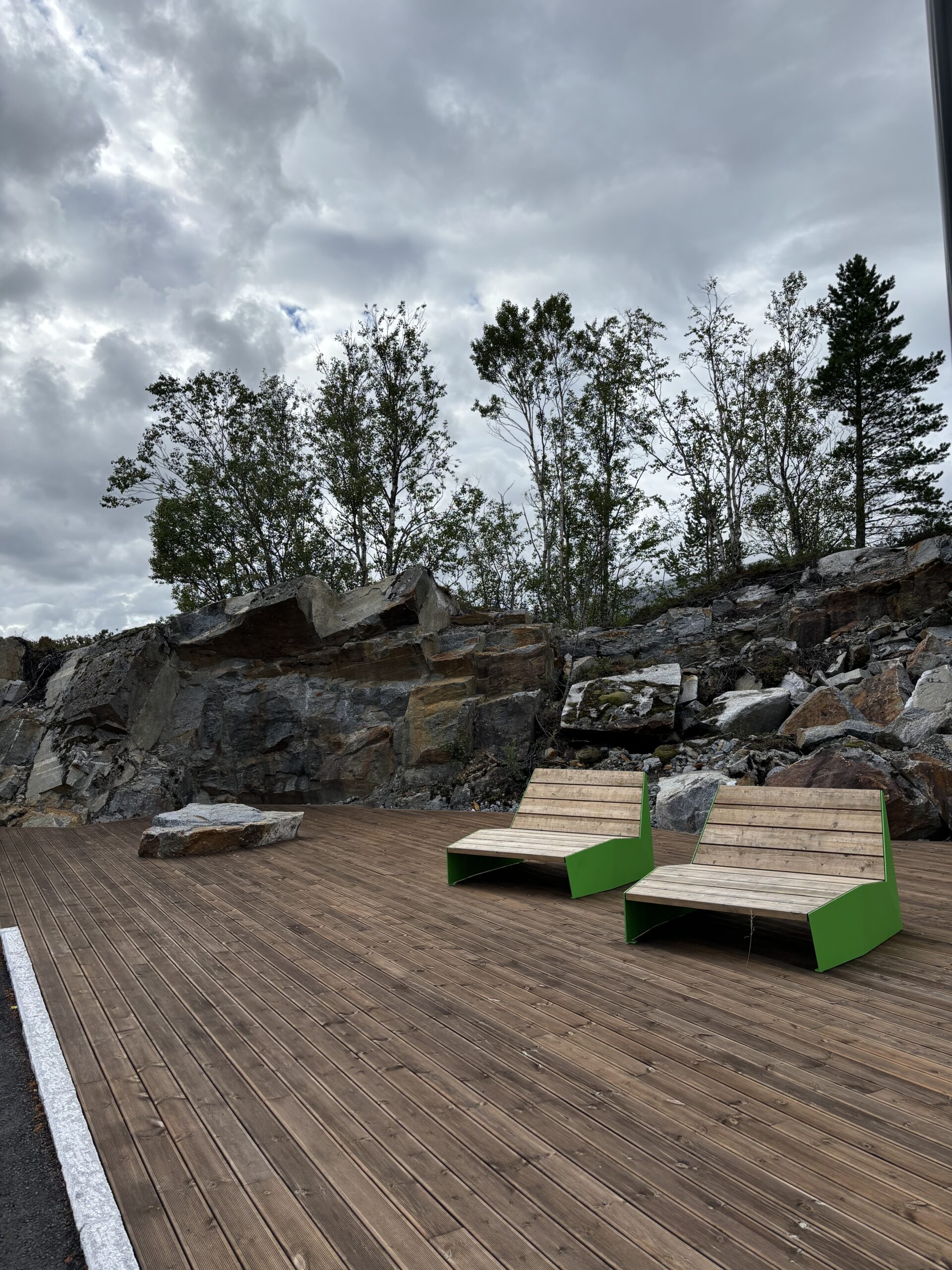
Forslandsdalen can be enjoyed by everyone, regardless of age or experience. With the hum of car traffic being a distant memory, the valley opens up as a paradise for pedestrians. The road through Forslandsdalen is an invitation to disconnect from the digital world and immerse yourself in the tranquility of nature. Along the valley, you’ll find several rest areas if you only want to walk part of the trail.
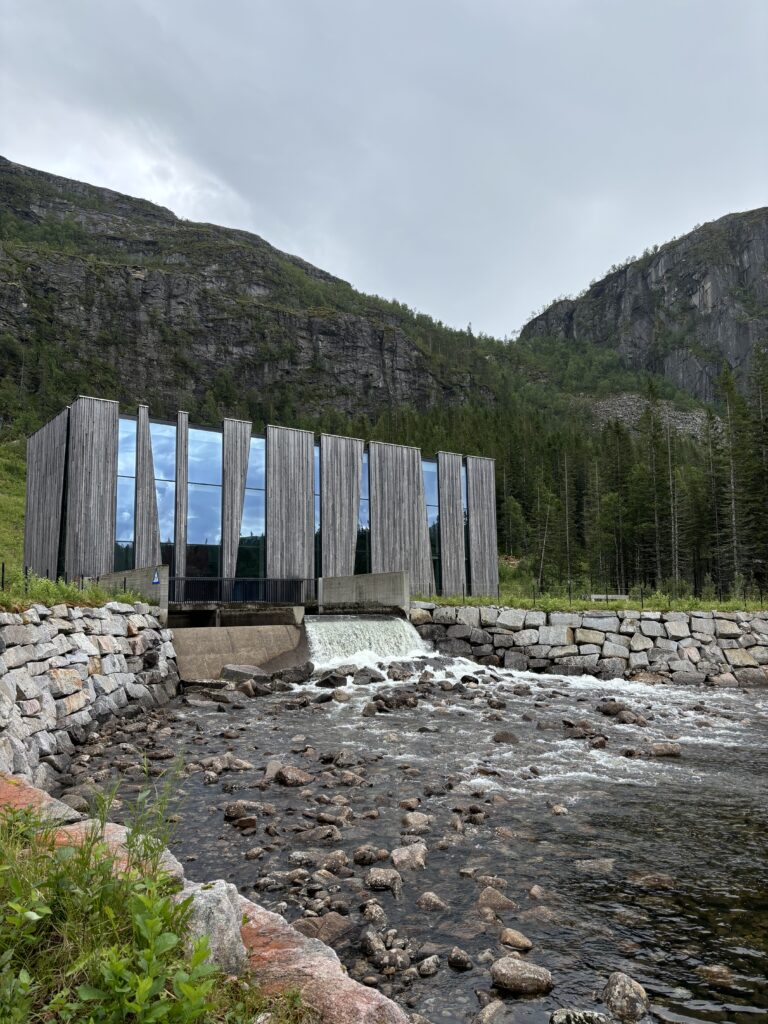 Thomas Schei
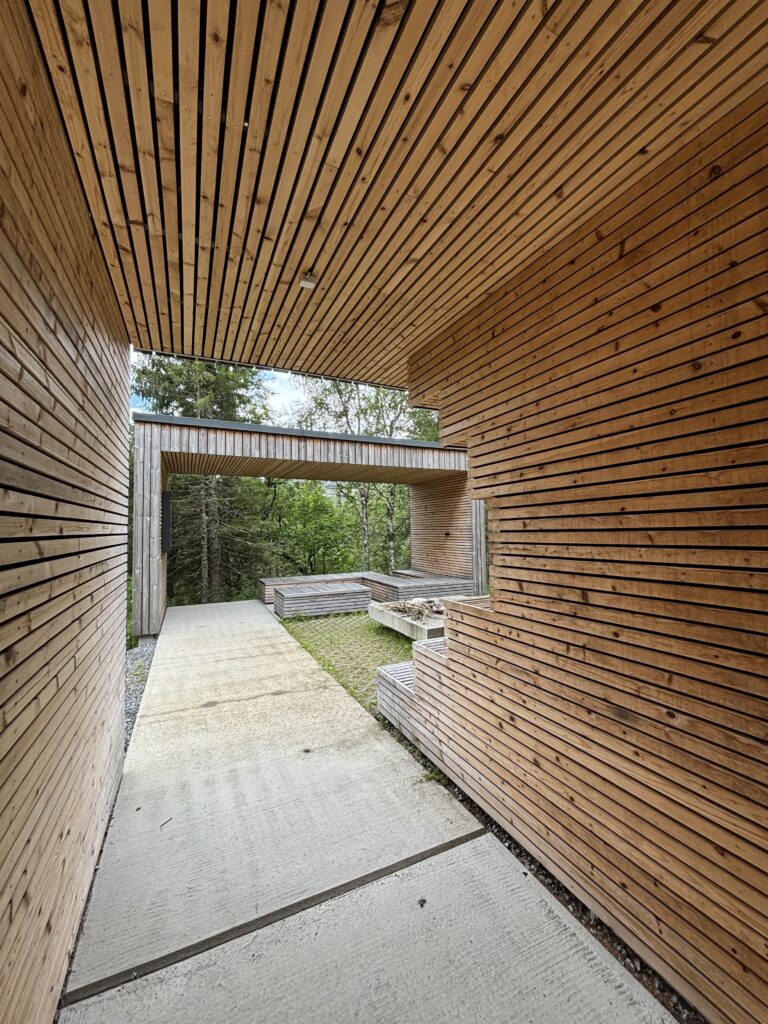 Thomas Schei
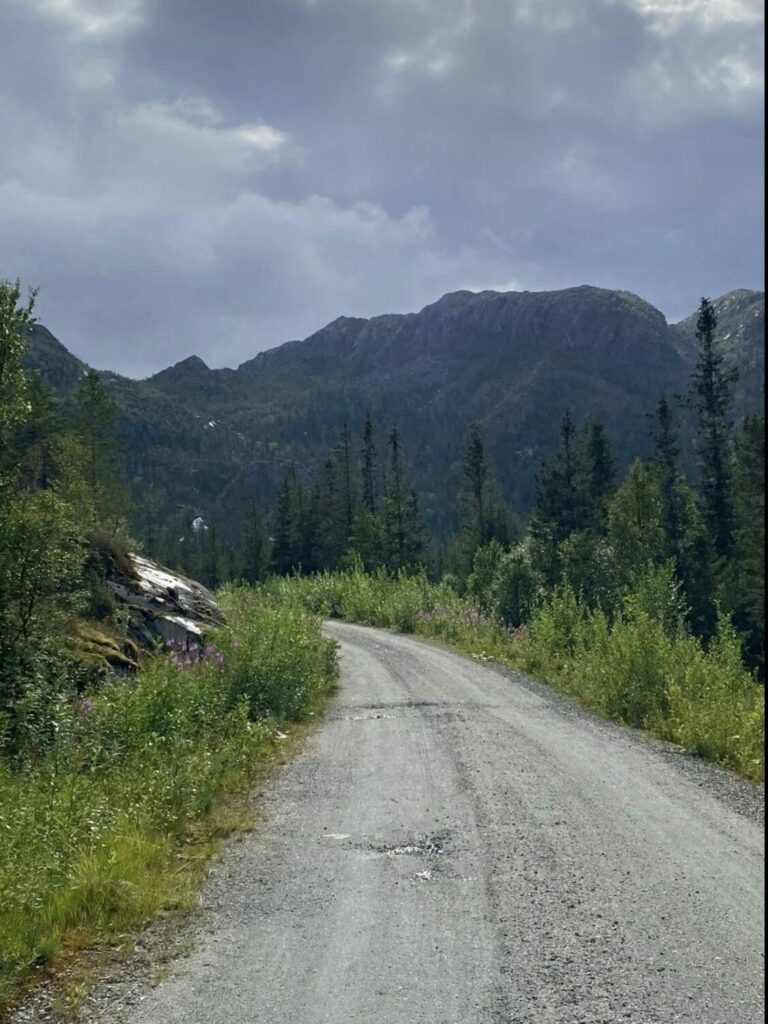 Linda Schei
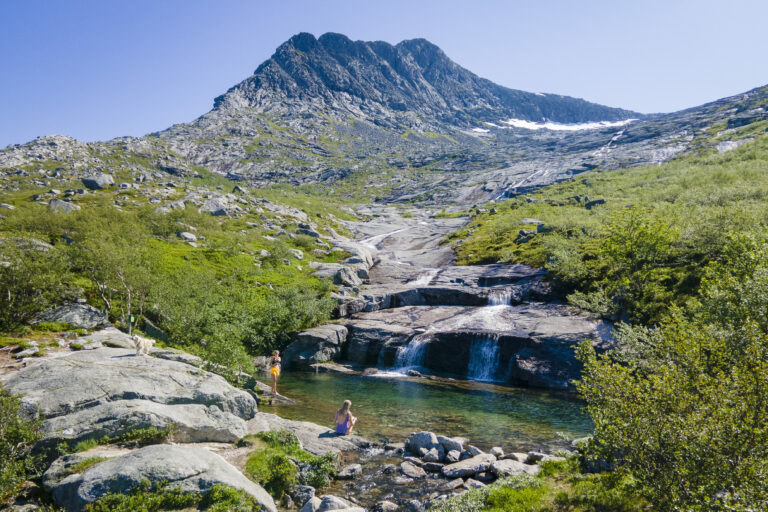
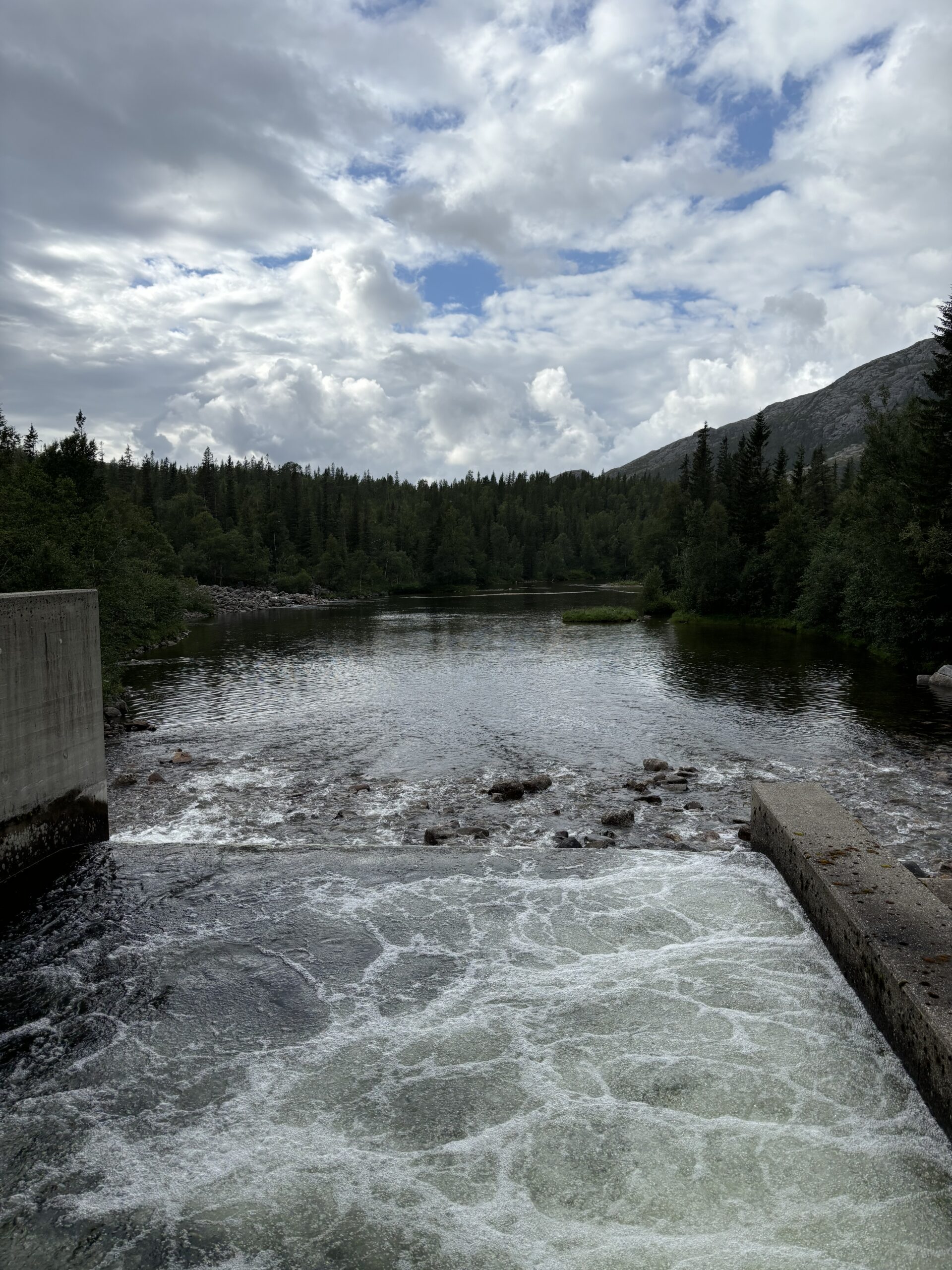
Further up, towards the Toven mountain, Forslandsdalen offers spectacular hikes surrounded by majestic rivers cascading down the mountainsides, waterfalls providing reflection for any soul standing at their base, and a mountain leading you closer to an adventure in pure natural magic. Whether you’re seeking a peaceful retreat to meditate and recharge, or you’re an avid photographer in search of the perfect nature shot, Øvre Forsland is the place to be.
We aim to keep nature clean, so we encourage everyone to take their trash with them when they leave the area. Forslandsdalen and Øvre Forsland are waiting for you!
1. Follow the Norwegian Mountain Code and plan according to your ability and equipment
Short hikes on easy terrain don’t require much. If you’re heading out for an hour or two in the lowlands and not gaining much elevation, you won’t need a lot of gear or be in top shape. If it gets cold or you get tired, you’re usually not far from your car.
But if you’re heading into more challenging terrain—steeper, rougher, and above the treeline where the weather is more unpredictable—you’ll need to be better prepared. You should plan the trip based on weather and conditions, be fit enough to complete it, and be ready for uneven ground, boulder fields, slippery roots, and stream crossings. That means carrying a heavier pack with extra clothes and gear, and wearing sturdy hiking boots that support your ankles.
If you’re unsure about taking on a demanding mountain hike, start with an easy or moderate one and see how it feels.
Learn more about the Norwegian Mountain Code at rodekors.no
See what you should bring on your hike on VisitNorway.com
2. Stick to marked trails
A shortcut through unfamiliar terrain can easily turn into a long and difficult detour. What looks like a trail might just be a sheep path that leads you somewhere completely unexpected. If you want the hike to be as easy or challenging—and as long or short—as planned, it’s best to follow marked trails.
If you’re heading off-trail, it’s smart to follow a GPS track. You can download a GPX file from a hike description and use it on a GPS device, a smartphone app, or a GPS watch.
UT.no and the UT app offer hike descriptions with GPS tracks. If your hike doesn’t have one, you can upload a track to ut.no/mine-turer and access it in the app. It’s free, but you’ll need to create an account.
Always carry a map and compass as backup.
UT app for Android / UT app for iPhone
3. Talk to locals or join a guided hike
Locals often have useful tips about your planned hike. They can tell you where to park, whether there’s phone coverage, if the trail is wet, if rivers are high, or suggest a better alternative. Talk to the people where you’re staying, at the local tourist office, or other hikers on the trail—you might get some truly valuable advice.
The best option is to hike with a guide. You can join a group tour or book a private guide. These are experienced locals who know the area well. They’ll help tailor the hike to your needs and share insights that add to the experience.
4. Look out for cultural landmarks
Even high up in the mountains, you’ll find traces of past human activity—some hundreds or even thousands of years old. These can include ancient trail markers, signal cairns, hunting fences, huts, and shepherd shelters. If you spot something interesting, check the KulturPunkt app to see what it is—or use the app to find a cultural site as your hiking goal.
KulturPunkt app for Android / KulturPunkt app for iPhone
KulturPunkt.org
5. Remember your responsibilities under the Right to Roam
Norway’s Right to Roam means you can hike, bike, pick berries, camp, fish, and ski almost anywhere in nature. But it also comes with responsibilities—what we call the “duties of the Right to Roam.” Leave no trace, respect wildlife, and know the rules for hunting, fishing, cycling, and access in protected areas like national parks and nature reserves.
Read more about the Right to Roam and your responsibilities at VisitNorway.com
Thank you for respecting the local communities, and for helping us preserve the natural beauty of Helgeland!
Please:
- Strive to leave no trace of your visit. Bring back all your rubbish, including used toilet paper, and discard it in the nearest rubbish bin.
- Plan your toilet visits and use the opportunity when you pass a toilet. In the wilderness, make sure you are not a nuisance to others.
- Respect the local wildlife. Keep a good distance from wildlife, livestock and birds. Keep your dog leashed.
- Respect private property. Keep a respectful distance from houses and cabins.
- Show good boating sense. Keep a good distance from shore and drive at a low speed, especially when you are close to anyone or anything on the water, including birds or animals. Avoid loud and disturbing engine noise. Be aware that some islands and nature reserves are important nesting sites, and that going ashore is prohibited during the nesting season.
- Follow the Norwegian Mountain Code (Fjellvettreglene). Plan your excursion according to the weather forecast, your skills and experience.
- Join a guided excursion or consider hiring an experienced guide, especially when you don’t have sufficient experience or knowledge to guarantee a safe trip.
Find accommodation, dining and activities in the area
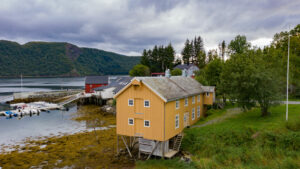
Bergh-brygga and Gammelskolen in Leirfjord
Leirfjord Museum is located in the old Bergh-brygga at Leland. Also, make sure to visit the beautiful Gammelskolen, which was in operation until the mid-1950s. Welcome to a journey through time!
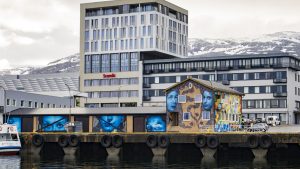
Hotel Scandic Seven Sisters – Accomodation Sandnessjøen
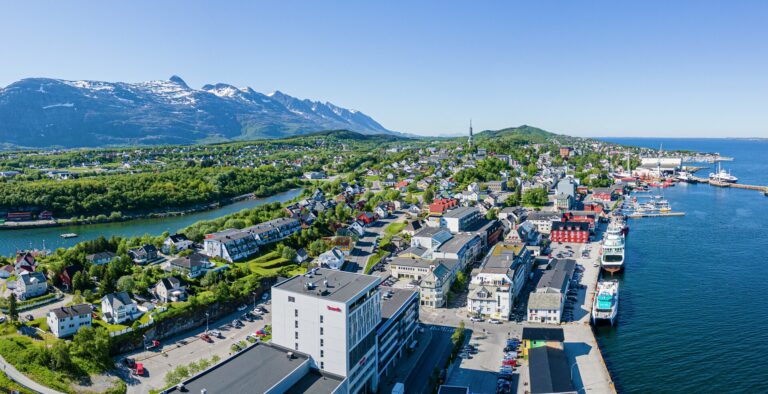
As a guest, you will immediately realize why the Hotel Scandic Syv Søstre bears the name of the Seven Sisters mountains. The hotel enjoys a great view of these renowned mountains. A holiday base here is perfect for exploring the many island treasures of the Helgeland coast, including Dønna and its colourful history, the idyllic island of Herøy, and the Vega archipelago, which is a UNESCO World Heritage Site.
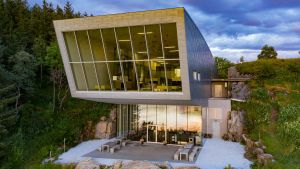
The Petter Dass Museum
At Alstahaug you will find a museum and a church that highlight centuries of the cultural and architectural history of Northern Norway. Moreover, the area is rich in cultural monuments and is a popular hiking area for both locals and tourists. The Petter Dass Museum and Alstahaug were chosen as Nordland County’s venues to celebrate the dawning of a new millennium.
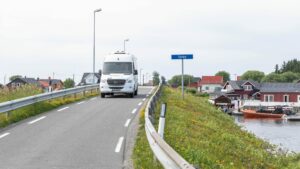
Experience all of Helgeland with Helgeland Travel Service
Helgeland Travel Service (HTS) will gladly take you on a tour to Helgeland’s many attractions. Whether we explore the coast or inland tracts, on a clear summer day or a day with mist and rain, all of our excursions will show you the magnificent landscape of Helgeland.

Christmas in the countryside
Christmas Market in Sandnessjøen
December 6th 2025
Join us in the countryside for a day filled with Christmas spirit. Christmas in the Countryside just outside of the cozy coastal town of Sandnessjøen is free for everyone, with activities like a hobby horse course, face painting, horse-drawn sleigh rides, and much more. Maybe Santa will drop by too?