10 mistakes to avoid when visiting our national parks
 Kristoffer Møllevik / Visit Helgeland
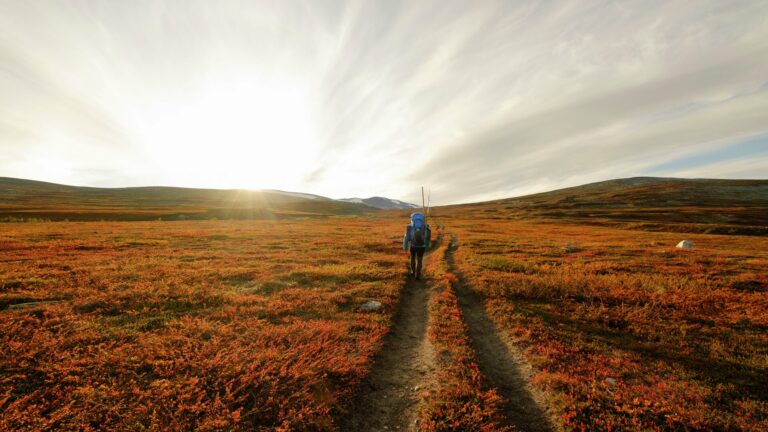
Our national parks may be our most important and most beautiful natural heritage. Here you’ll find dramatic mountains, lush valleys, forests, and rivers protected by strict conservation rules. These landscapes are stunning, but fragile, and the freedom we have to explore them in Norway is truly a privilege.
Because of this, every visitor shares a responsibility when entering these unique natural areas. In Norway, we call this responsibility the right to roam – and the duty to care. It’s what ensures future generations can experience these landscapes as unspoiled as we do today, just as our grandparents once did before us.
If you want to help protect this natural heritage, here are 10 common mistakes you have to avoid.
This film was produced by Visit Helgeland, with animation by Kunnskapsparken Helgeland, on behalf of the Midtre Nordland National Park Board.
Mistake no. 1: Moving stones or building cairns
Nature in national parks is sensitive, and even moving a single stone can have consequences you may not expect. Stones on the ground provide shelter and warmth for vegetation and small animals, which in turn are vital to the entire ecosystem.
Without realizing it, stones may also be part of protected cultural heritage sites – or existing cairns that mark safe routes in poor weather. Always leave stones exactly where you find them.
Mistake no. 2: Arriving unprepared
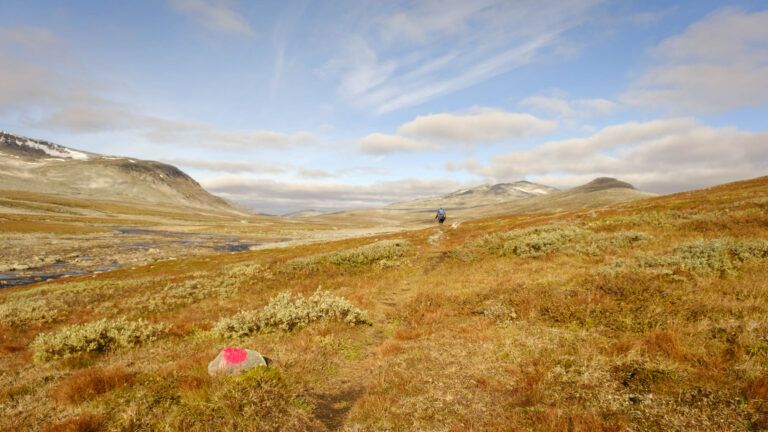
National parks in Helgeland are largely undeveloped. This is true wilderness, with few cabins, bridges, or marked trails.
Each season offers its own beauty – and its own challenges. You may encounter swollen rivers, unsafe ice, slippery trails, loose rock, fog or even snow in summer. Large areas have no mobile phone coverage, making weather updates unavailable. Conditions can change rapidly and without warning.
Long hikes in these areas are only recommended for seasoned and experienced hikers with the right knowledge and equipment. If you’re unsure, choose easier routes near the edges of the national parks.
 Kristoffer Møllevik / Visit Helgeland
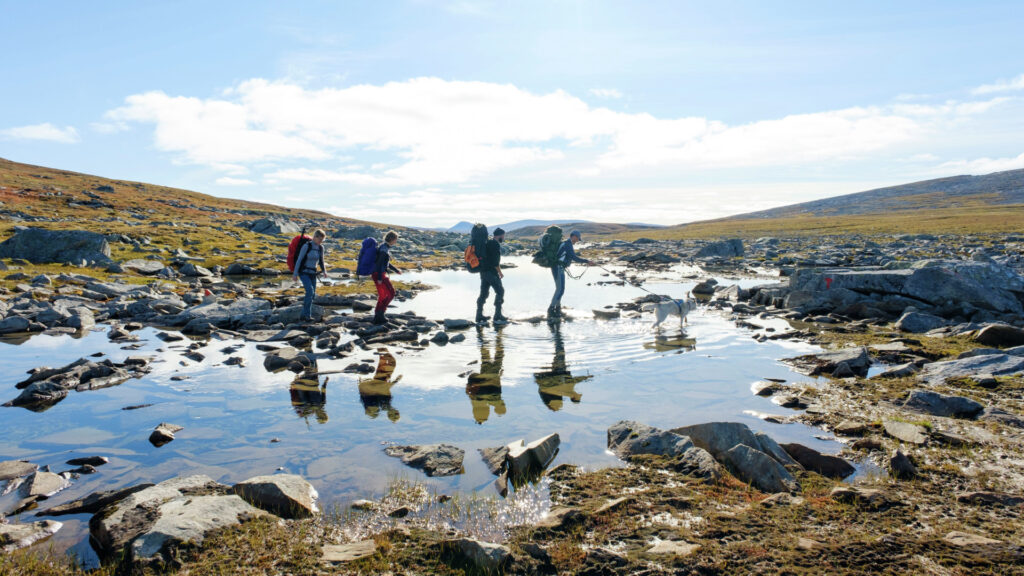
A hike in true wilderness requires proper footwear and clothing – as well as knowledge and experience.
Mistake no. 3: Forgetting a rubbish bag
When we visit these landscapes, our goal is to leave them exactly as we found them. We take nothing but photos and memories – and we leave no trace when we leave.
That means carrying out all waste, avoiding the creation of new fire pits, and placing toilet visits well away from trails and water. Toilet paper must be buried, while wet wipes must be packed out – they do not break down in nature.
Mistake no. 4: Cutting down dead trees
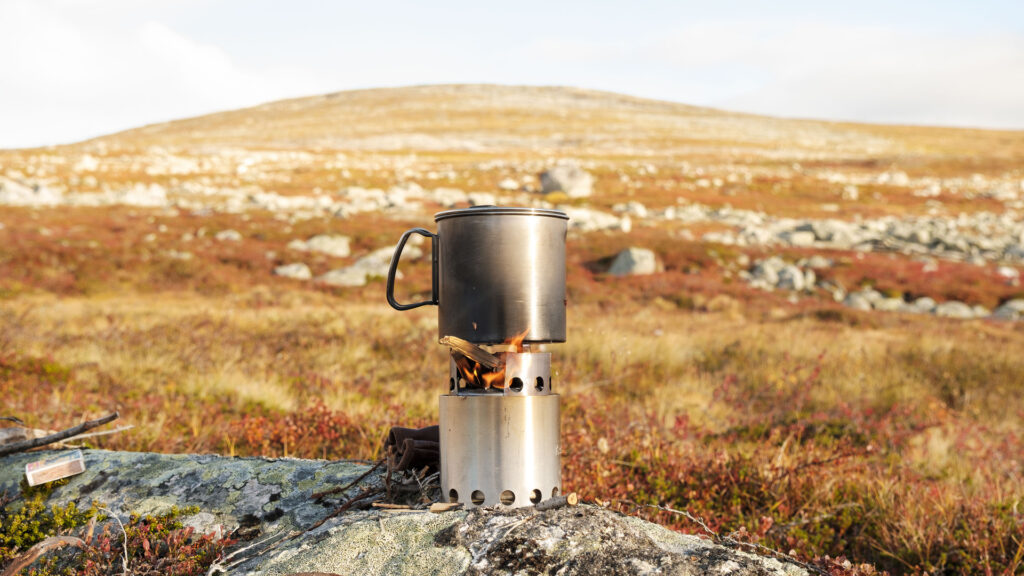
It may be tempting to use dry, dead trees for firewood, but cutting them down is prohibited.
Large, dead pine trees can stand for hundreds of years and are vital to wildlife and biodiversity, serving as habitats for birds, insects, and other species.
 Kristoffer Møllevik / Visit Helgeland
A lightweight camping stove is a safe and low‑impact alternative to lighting a fire while hiking.
Mistake no. 5: Letting your dog run loose
Dogs are welcome in national parks, but leash regulations may vary slightly between areas. As a general rule, dogs must be kept on a leash from April to September. All year round, dogs must not disturb wildlife such as reindeer, Arctic foxes, or grouse. To be safe, always keep your dog on a leash.
Mistake no. 6: Flying a drone
Drones are prohibited in all national parks. They are frightening and disruptive to sensitive wildlife, and the noise also disturbs other visitors seeking a peaceful nature experience.
Mistake no. 7: Riding an e‑bike
In some national parks, such as Saltfjellet, cycling on trails and roads is allowed – but only with regular bicycles. E‑bikes are not permitted.
 Kristoffer Møllevik / Visit Helgeland
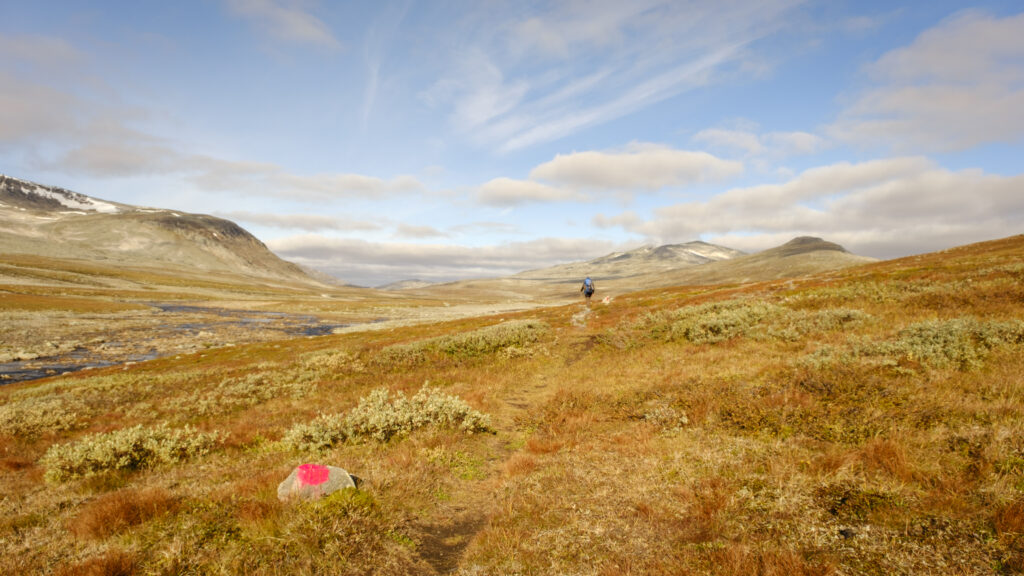
By staying on the trail and using it with care, we reduce wear on nature and help create a better experience for everyone.
Mistake no. 8: Leaving your tent up too long
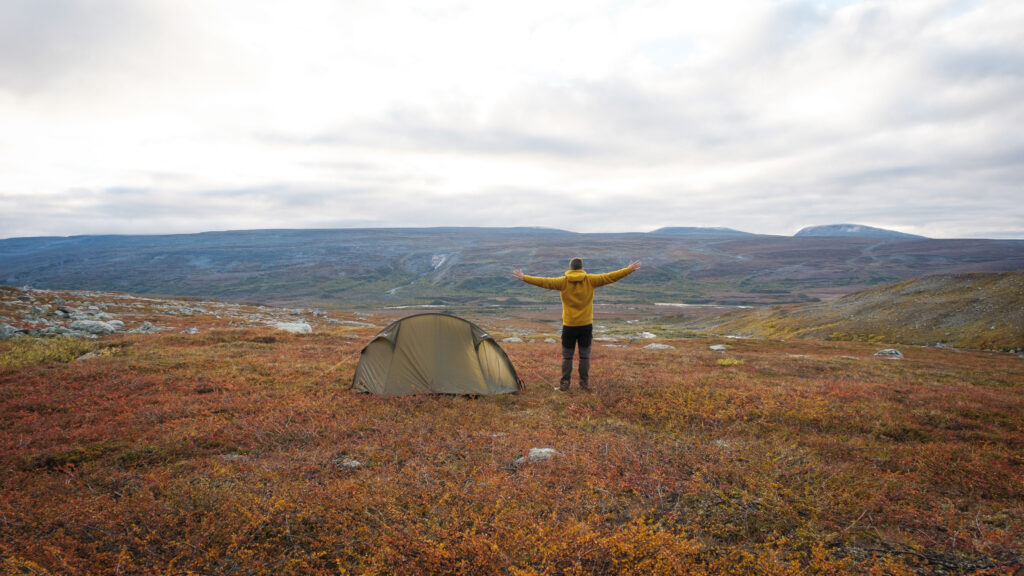
As long as you’re more than 150 metres from houses and cabins, you may camp almost anywhere. However, tents must not remain in the same spot for more than two nights. Staying longer damages the vegetation – and moving on also allows other hikers to enjoy the place.
Mistake no. 9: Fishing without a permit or without disinfected equipment
Fishing is permitted in most lakes and rivers inside national parks, but a valid fishing permit is required. The permit is inexpensive – but failing to have one can result in heavy fines, even deep inside the park.
All fishing equipment must also be disinfected if it has been used abroad or in another river system. This is crucial to prevent the spread of the deadly salmon parasite Gyrodactylus salaris (Gyro). Boats, waders, and any equipment in contact with water must also be disinfected.
You can find more information about disinfection here.
Mistake no. 10: Disturbing wildlife
National parks are home to rich animal and bird life. Species such as reindeer, lemmings, grouse, and birds of prey are commonly seen, while more elusive animals like Arctic foxes and wolverines may be nearby without you noticing. Always keep a safe distance, avoid unnecessary noise, and never seek out animals deliberately.
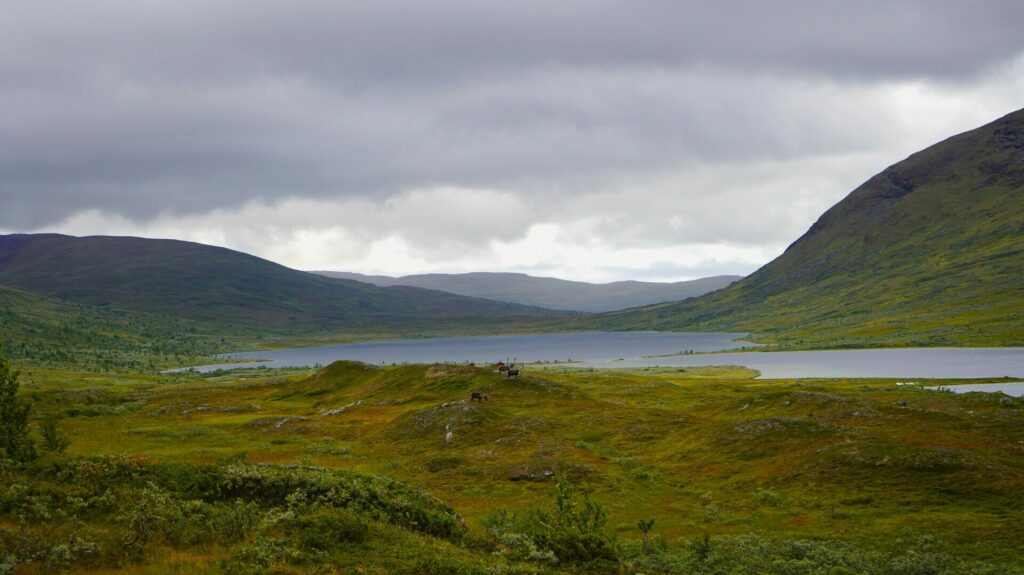
If you encounter a group of reindeer resting or moving, give them space and allow them to pass – or take a detour yourself. It may make your hike a little longer, but respectful encounters on nature’s terms often become the most memorable experiences.
 Marius Mikalsen / Visit Helgeland
Enjoy encounters with wildlife from a responsible distance. Watching calm, undisturbed animals is far more rewarding than frightening them.
Thank you for doing your part
When we all take responsibility for nature – and respect the freedom that allows us to explore it – we help pass these experiences on to those who come after us.
Whether they arrive tomorrow, in a few years, or generations from now.
The good news is: it doesn’t take much.
And by doing less, we do more.