Vega world heritage
 Sølvi Kristoffersen
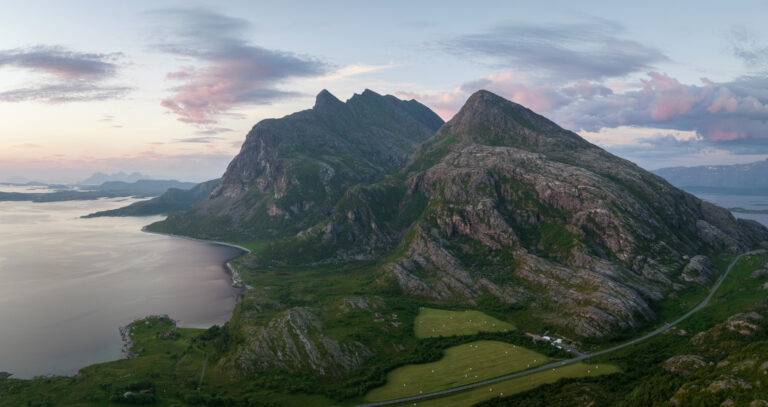
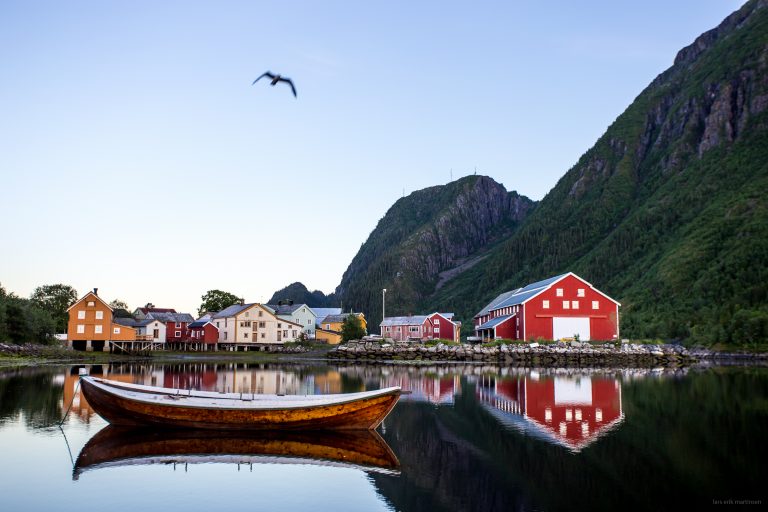
The cultural tradition of the Vega archipelago reflects a unique interaction between people and nature – and it is the reason UNESCO listed these islands as a World Heritage Site. Consider a visit and you can experience this unique heritage yourself
Why the status as a UNESCO World Heritage Site?
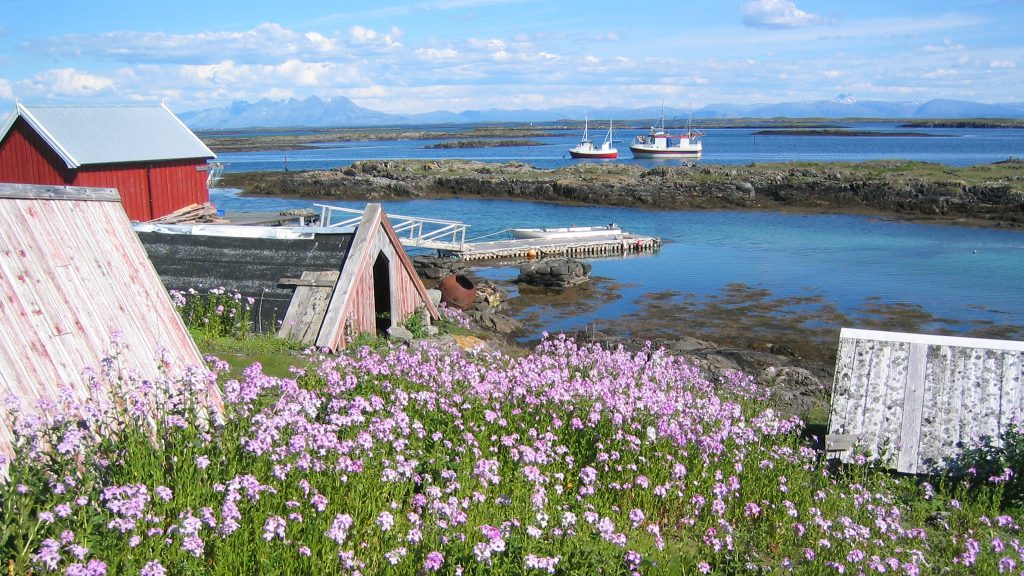
The Vega archipelago received its UNESCO World Heritage status in 2004, in recognition of the islanders’ unique role as guardians of the eider ducks that nest here. In addition the islanders are fishermen-farmers. Theirs is a unique cultural tradition and a sustainable way of life that dates back at least 1500 years.
Birdwatchers and luxurious down
For more than a thousand years, the people of the Vega archipelago have built small nesting shelters for wild eider ducks and acted as bird guardians, looking after the birds during the nesting season. While incubating their eggs, the eiders line their nests with soft eiderdown, plucked from their own breasts, to keep the eggs and chicks warm.
This down is of exceptional quality and known for its outstanding insulating properties. Once the birds have left their nests, the bird guardians can collect the precious down and turn it into some of the world’s finest duvets. These valuable duvets were sold to nobles, kings and princes and became an important source of income for the people of Vega. Both King Harald and Queen Sonja own duvets made from Vega eiderdown, presented to them as gifts from the municipalities of Helgeland on the occasion of their 70th birthdays.
Several eider-farming islands within the World Heritage area, including Lånan and Hysvær, continue to keep this centuries-old tradition alive. To protect the birds and their nesting grounds, access to these islands is restricted during the breeding season. To learn more about this unique eiderdown tradition, visit the Vega World Heritage Centre.
Insights to the World Heritage
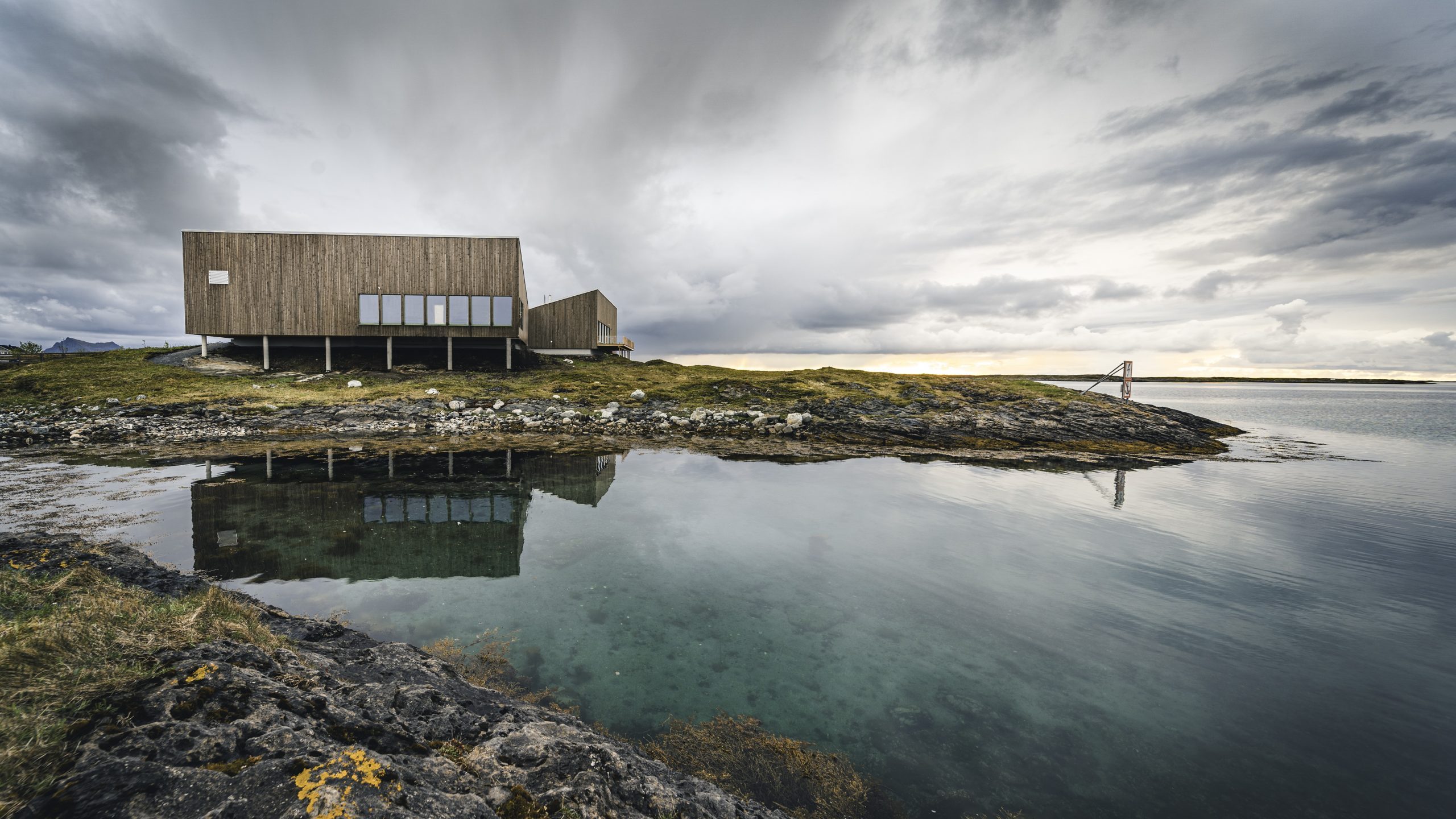
The Vega World Heritage Centre documents the islands’ unique culture heritage.
Vega World Heritage Center
The Vega World Heritage Centre, which is beautifully located at Gardsøy, documents the history and culture of the Vega islanders. Here you can gain fascinating insights into the lives of these fishermen-farmers, and about their centuries-old local tradition of protecting the eider ducks who come to nest here – a tradition that led to Vega being granted UNESCO’s World Heritage status.
Read more & book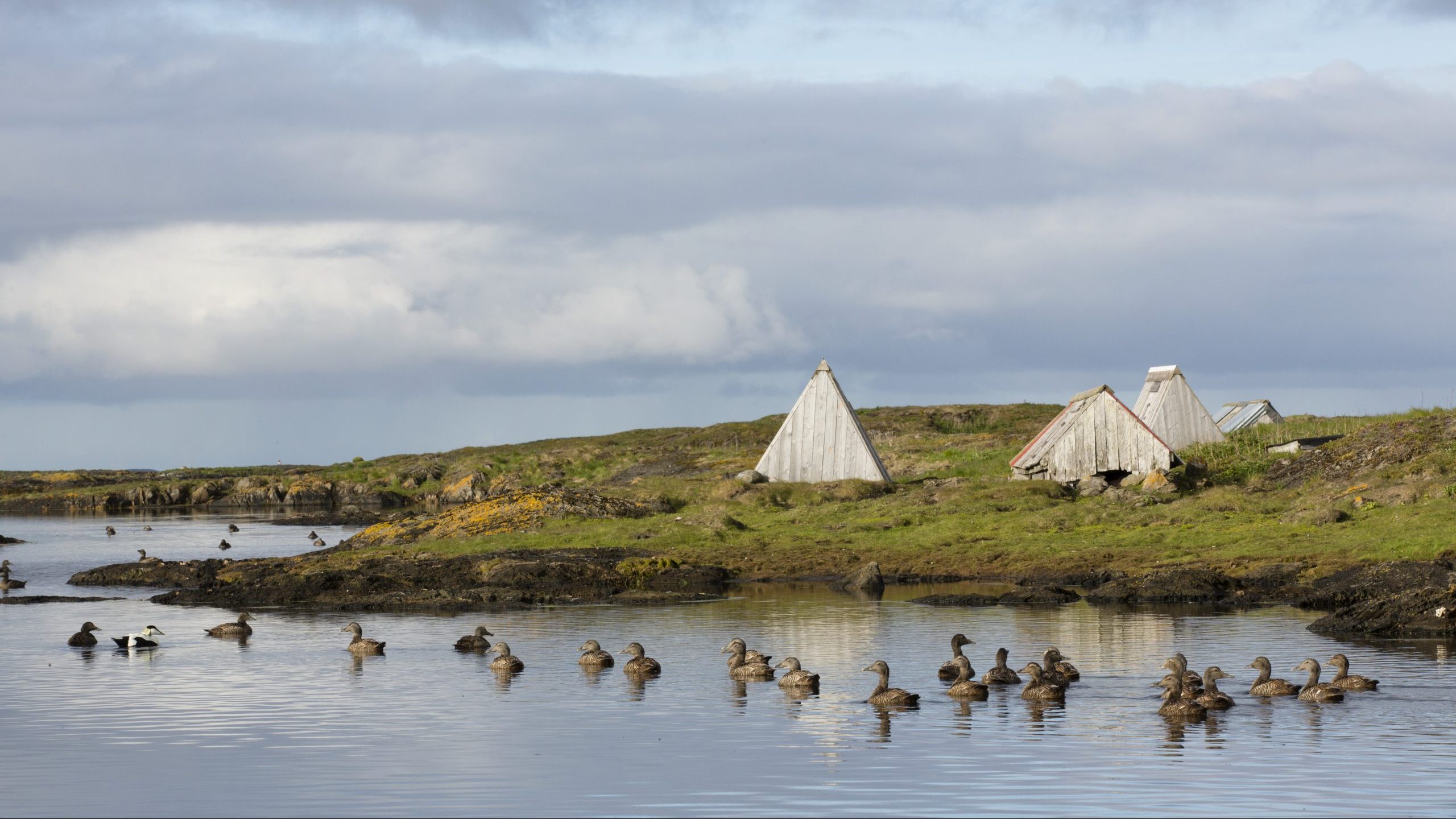
Lånan – a living World Heritage tradition
The unique tradition of bird guardianship and eiderdown harvesting kept alive on the island community of Lånan is the main reason why the Vega Archipelago was inscribed on UNESCO’s World Heritage List in 2004. In June and July, visitors can travel out to this remote island cluster and experience first-hand the close and carefully balanced relationship between people and eider ducks.
Read more & bookBe considerate of the wildlife and nature
We do our utmost to preserve our heritage and ask visitors to be mindful of the archipelago’s birdlife and natural scenery. Visitors who arrive in their own boats are asked to be especially considerate during the nesting season, from 15 April to 31 July. All boats must maintain a low speed in the straits between the islands and close to the shore.
The birdlife and other wildlife is protected, as are the nesting sites – and it is vital that they never be disturbed. Never approach the nests, regardless of whether adult birds are brooding on them. During the nesting season, dogs are not allowed on shore at the nesting sites. Elsewhere, all dogs must be leashed between 1 April and 1 October.
Thank you for helping us preserve the unique cultural heritage of the Vega archipelago!